
Dr Mridula Tyagi
About Me
Dr Mridula Tyagi
MBBS
General Physician
10 Years Experience
Biography
My Clinic
OPD Hours
| Monday | Morning | 10:00 AM | - | 02:00 PM |
| Evening | 06:00 PM | - | 09:00 PM | |
| Tuesday | Morning | 10:00 AM | - | 02:00 PM |
| Evening | 06:00 PM | - | 09:00 PM | |
| Wednesday | Morning | 10:00 AM | - | 02:00 PM |
| Evening | 06:00 PM | - | 09:00 PM | |
| Thursday | Morning | 10:00 AM | - | 02:00 PM |
| Evening | 06:00 PM | - | 09:00 PM | |
| Friday | Morning | 10:00 AM | - | 02:00 PM |
| Evening | 06:00 PM | - | 09:00 PM | |
| Saturday | Morning | 10:00 AM | - | 02:00 PM |
| Evening | 06:00 PM | - | 09:00 PM | |
| Sunday | Morning | 10:00 AM | - | 02:00 PM |
| Evening | 06:00 PM | - | 09:00 PM |
Treatments
Specialised care and treatments offered
CHRONIC OBSTRUCTIVE PULMONARY DISEASE (COPD) CARE
COPD is a progressive lung disease marked by airflow obstruction that makes breathing difficult. It frequently stems from long-term exposure to irritants such as cigarette smoke or pollution. Managing COPD effectively enhances daily function for patients living with this condition.
- Symptoms & triggers: Chronic cough,wheezing,difficulty breathing especially during exertion,fatigue,and frequent respiratory infections.
- Diagnosis approach: Lung function tests (spirometry), chest X-rays,and detailed medical history identify disease extent.
- Treatment components: Smoking cessation,inhaled bronchodilators,corticosteroids,pulmonary rehabilitation,and oxygen therapy where required form integral parts.
- Long-term expectation: While COPD is not curable,the goal remains slowing progression while improving quality of life through consistent medical care.
Early intervention combined with lifestyle changes under medical supervision helps maintain lung capacity as much as possible over time preventing exacerbations effectively.
GASTROENTERITIS

This inflammation of the gastrointestinal tract primarily causes diarrhea and vomiting. It commonly results from infections by viruses or bacteria affecting people across all age groups worldwide.
- Key indicators: Diarrhea (often watery), stomach cramps,pain,nausea,vomiting,and sometimes fever characterize gastroenteritis episodes.
- Examination techniques: Clinical evaluation supported by stool tests help identify causative organisms in persistent cases.
- Management protocols: Hydration remains principal focus through oral rehydration solutions plus rest; medications depend on etiology type.
- Prognosis considerations: Most instances resolve spontaneously within days but adequate fluid replacement prevents dehydration especially in vulnerable groups like children.
Awareness around hygiene practices additionally reduces contagion risks contributing critically towards community health maintenance.
IRON DEFICIENCY ANEMIA

Anemia caused by insufficient iron affects the body's ability to produce red blood cells adequately. Identifying this deficiency early can prevent fatigue and other related symptoms from worsening.
- Causative factors & signs: Poor nutrition, blood loss leading to weakness, pallor, dizziness; children and women are more susceptible populations.
- Diagnosis process: Complete blood count tests revealing low hemoglobin along with ferritin levels confirm the condition's presence.
- Treatment protocol: Iron supplements orally plus dietary adjustments incorporating iron-rich foods such as leafy greens and meats are recommended steps towards replenishment.
- User expectations during therapy: Symptom improvement typically occurs within weeks though supplementation duration might extend several months depending on severity and underlying causes.
Adequate iron intake balanced with professional guidance ensures restoration of optimal red cell counts facilitating improved overall well-being over time.
ACUTE RESPIRATORY INFECTIONS
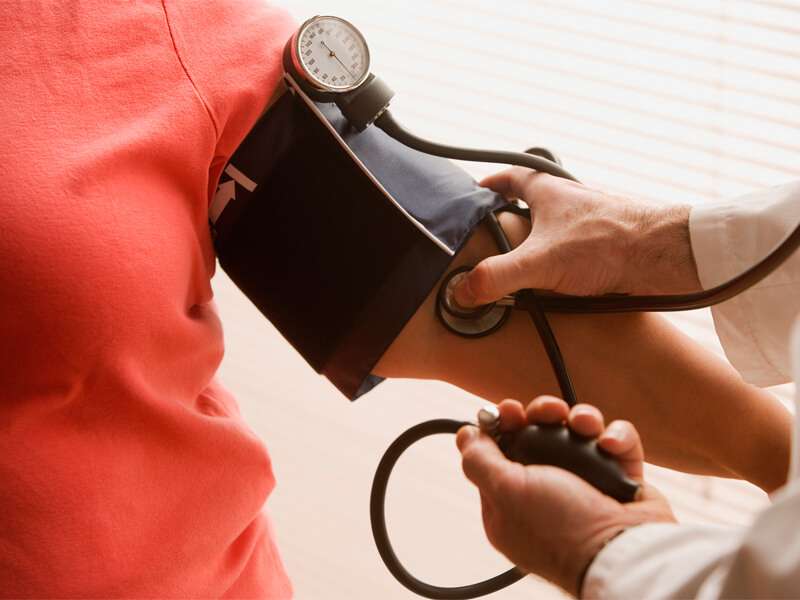
Acute respiratory infections affect the nose, throat, airways, or lungs and are particularly common during seasonal changes. Early recognition aids effective symptom relief and recovery.
- Main symptoms: Cough, sore throat, runny nose, fever; viruses are often the cause but bacterial infections may occur.
- Diagnostic methods: Physical examination coupled with patient history helps distinguish between viral and bacterial origins.
- Treatment approaches: Supportive care including rest, hydration, analgesics; antibiotics only if bacterial infection is confirmed.
- Recovery outlook: Most cases resolve within one to two weeks without complications with proper self-care measures at home.
Cautious use of medications alongside symptomatic treatment ensures safe resolution while reducing antibiotic resistance concerns associated with misuse.
TYPE 2 DIABETES MELLITUS
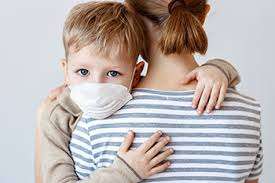
Type 2 diabetes is a chronic metabolic disorder characterized by high levels of glucose in the blood due to insulin resistance or deficiency. Proper management helps prevent severe complications.
- Symptoms and causes: Frequent urination, increased thirst, fatigue; risk factors include obesity, sedentary lifestyle, family history.
- How it’s diagnosed: Blood tests such as fasting plasma glucose or HbA1c provide confirmation of elevated sugar levels.
- Treatment strategies: Emphasis on lifestyle changes including diet and physical activity along with oral hypoglycemic agents or insulin therapy as needed.
- Monitoring expectations: Regular follow-ups for blood sugar levels and screening for complications like neuropathy or retinopathy are critical for long-term health.
A comprehensive approach combining medication adherence with healthy habits greatly improves quality of life for those affected by type 2 diabetes.
HYPERTENSION MANAGEMENT
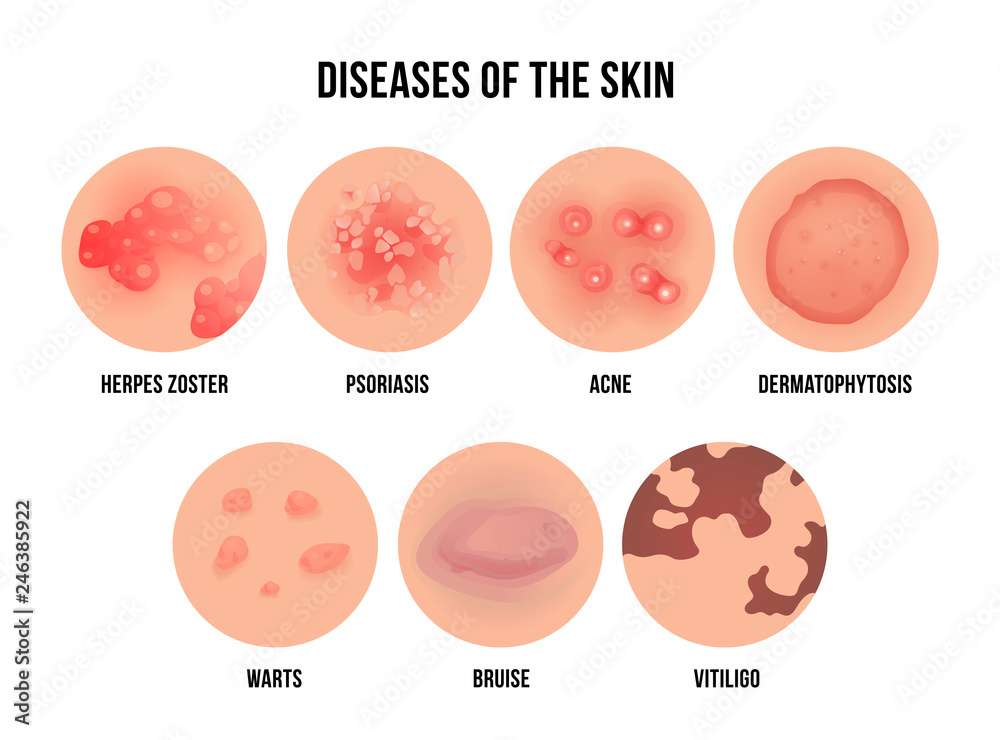
High blood pressure, or hypertension, is a common condition that can lead to serious health complications if left untreated. Understanding its management is vital for maintaining cardiovascular health and preventing future problems.
- Symptoms and causes: Often called the 'silent killer,' hypertension may have no obvious symptoms but can be influenced by factors such as genetics, poor diet, stress, and inactivity.
- Diagnosis: Regular blood pressure measurements using a sphygmomanometer across multiple visits confirm hypertension.
- Treatment options: Lifestyle modifications like diet changes, regular exercise, and medication including ACE inhibitors or beta-blockers are commonly recommended.
- What to expect: Ongoing monitoring is essential; controlled blood pressure reduces risks of stroke and heart disease significantly.
With appropriate care and adherence to treatment plans, individuals with high blood pressure can lead healthy lives while minimizing complications.