
Dr Moiz Uddin Ahm
About Me
Dr Moiz Uddin Ahm
MBBS
General Physician
10 Years Experience
Biography
My Clinic
OPD Hours
| Monday | Morning | 10:00 AM | - | 02:00 PM |
| Evening | 06:00 PM | - | 09:00 PM | |
| Tuesday | Morning | 10:00 AM | - | 02:00 PM |
| Evening | 06:00 PM | - | 09:00 PM | |
| Wednesday | Morning | 10:00 AM | - | 02:00 PM |
| Evening | 06:00 PM | - | 09:00 PM | |
| Thursday | Morning | 10:00 AM | - | 02:00 PM |
| Evening | 06:00 PM | - | 09:00 PM | |
| Friday | Morning | 10:00 AM | - | 02:00 PM |
| Evening | 06:00 PM | - | 09:00 PM | |
| Saturday | Morning | 10:00 AM | - | 02:00 PM |
| Evening | 06:00 PM | - | 09:00 PM | |
| Sunday | Morning | 10:00 AM | - | 02:00 PM |
| Evening | 06:00 PM | - | 09:00 PM |
Treatments
Specialised care and treatments offered
GASTROENTERITIS TREATMENT
This digestive system infection leads to inflammation of the stomach and intestines causing discomfort. Prompt care alleviates symptoms effectively while preventing dehydration complications especially in vulnerable groups.
- Primary Causes & Symptoms: Frequently viral but may include bacteria or parasites presenting as diarrhea , vomiting , abdominal cramps , fever .
- Diagnosing Infection: Usually clinical diagnosis supported by stool tests if persistent or severe .
- Treatment Options: Oral rehydration solutions , dietary adjustments , antiemetic medications where appropriate ; antibiotics only if bacterial origin confirmed .
- Watchful Monitoring: Ensuring adequate fluid intake avoids dehydration ; hospital care needed if worsening occurs .
Most cases improve within days but good hygiene practices remain essential to prevent spread within communities.
ROUTINE HEALTH CHECKUPS & PREVENTIVE SCREENING

A comprehensive health checkup helps identify potential health issues before symptoms arise. Preventive screening plays a critical role in sustaining wellbeing over time.
- Main Components: Includes measuring vitals (blood pressure, pulse), blood tests (glucose levels, lipid profile), BMI calculation among others based on age/gender risk factors.
- Pertinent Benefits: Counseling & Advice:: Guidance on nutrition, exercise, and lifestyle choices promotes healthy habits.
THYROID FUNCTION DISORDERS
The thyroid gland regulates many vital body functions through hormone production. Disorders of thyroid function can impact energy levels, weight, mood, and more.
- Causative Factors & Signs: Hypothyroidism may cause fatigue and weight gain; hyperthyroidism often leads to nervousness and weight loss. Autoimmune diseases are common causes.
- Diagnosis Process: Blood tests measuring TSH (thyroid-stimulating hormone) along with T3/T4 hormones provide definitive diagnosis.
- Treatment Modalities: Hormone replacement for hypothyroidism; antithyroid medications for hyperthyroidism; sometimes radioactive iodine therapy is considered in specific cases.
- Lifelong Monitoring: Regular check-ups help maintain hormone balance preventing symptoms' recurrence or progression.
A tailored treatment plan can restore normal thyroid levels allowing patients to maintain a balanced lifestyle comfortably.
MANAGING ACUTE RESPIRATORY INFECTIONS
Respiratory infections affect the airways and lungs and are very common in all age groups. Early recognition and care ensure faster recovery and reduce spread to others.
- Common Causes & Symptoms: Viruses or bacteria may cause cough, sore throat, runny nose, fever, or difficulty breathing.
- Diagnosis: Evaluation includes medical history review, physical examination of the respiratory system; sometimes chest X-rays or lab tests might be warranted.
- Treatment Approaches: Symptom relief through rest, hydration; antibiotics if bacterial infection is confirmed; antivirals where applicable.
- Expected Course & Prevention: Most infections resolve within 1–2 weeks; hand hygiene and vaccination help prevent future episodes.
If symptoms worsen or persist beyond typical duration, further medical evaluation is recommended to rule out complications like pneumonia.
TYPE 2 DIABETES MELLITUS CARE

This chronic metabolic disorder affects how your body processes sugar. Managing type 2 diabetes is vital to prevent severe health problems over time.
- Symptoms and Causes: Symptoms may include increased thirst, frequent urination, fatigue; risk factors include obesity, sedentary lifestyle, and family history.
- Diagnostic Methods: Blood tests such as fasting blood glucose or HbA1c levels confirm the diagnosis.
- Treatment Strategies: Incorporate dietary changes, regular exercise, oral hypoglycemic agents or insulin therapy as necessary.
- Monitoring: Regular follow-up with blood sugar monitoring helps tailor treatment and prevent complications like neuropathy or kidney damage.
A well-structured approach combining lifestyle adjustments and medication can effectively control diabetes and improve quality of life.
HYPERTENSION MANAGEMENT
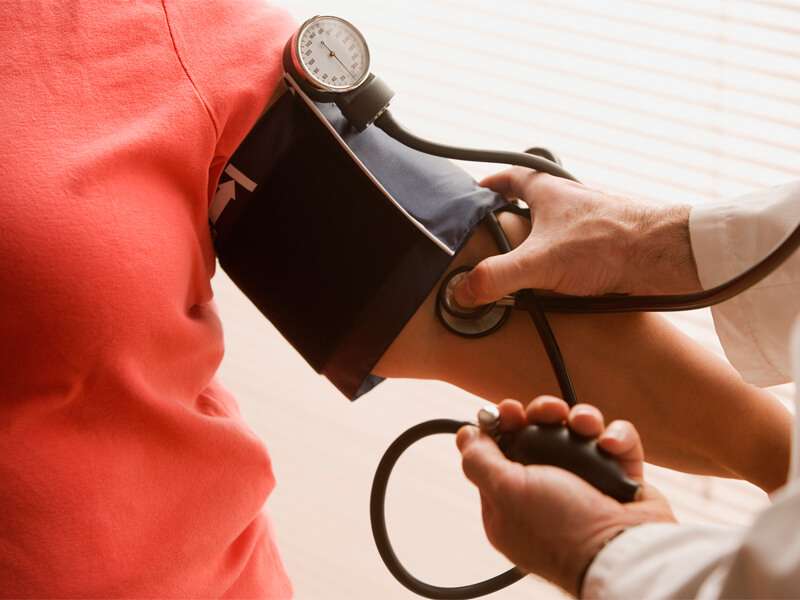
High blood pressure, or hypertension, is a common condition that can silently affect your heart and arteries over time. Understanding and managing this condition is crucial for long-term health.
- Symptoms and Causes: Often called the "silent killer," hypertension usually shows no symptoms but can be caused by factors like obesity, stress, poor diet, and genetics.
- Diagnosis: It involves regular blood pressure checks using standardized equipment over multiple visits to confirm consistently elevated readings.
- Treatment Options: Lifestyle modification such as reduced salt intake, increased physical activity, and medications including ACE inhibitors or beta-blockers may be prescribed.
- Management: Ongoing monitoring is needed to adjust treatment and reduce risks of complications like stroke or heart disease.
With proper care and adherence to treatment plans, most individuals with hypertension can lead healthy lives without serious complications.