
Dr Mohd shahid
About Me
Dr Mohd shahid
MBBS
Oncologist
10 Years Experience
Biography
My Clinic
OPD Hours
| Monday | Morning | 10:00 AM | - | 02:00 PM |
| Evening | 06:00 PM | - | 09:00 PM | |
| Tuesday | Morning | 10:00 AM | - | 02:00 PM |
| Evening | 06:00 PM | - | 09:00 PM | |
| Wednesday | Morning | 10:00 AM | - | 02:00 PM |
| Evening | 06:00 PM | - | 09:00 PM | |
| Thursday | Morning | 10:00 AM | - | 02:00 PM |
| Evening | 06:00 PM | - | 09:00 PM | |
| Friday | Morning | 10:00 AM | - | 02:00 PM |
| Evening | 06:00 PM | - | 09:00 PM | |
| Saturday | Morning | 10:00 AM | - | 02:00 PM |
| Evening | 06:00 PM | - | 09:00 PM | |
| Sunday | Morning | 10:00 AM | - | 02:00 PM |
| Evening | 06:00 PM | - | 09:00 PM |
Treatments
Specialised care and treatments offered
PALLIATIVE CARE IN ONCOLOGY
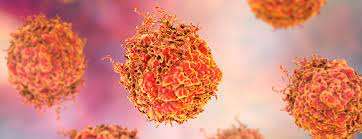
Palliative care focuses on improving quality of life by managing symptoms, pain, and emotional challenges associated with advanced cancer stages rather than curing disease itself.
- Symptom relief : Addresses pain , fatigue , nausea , breathlessness ,and other distressing issues through comprehensive assessment .
- Emotional support : Provides counseling , spiritual care,and coping strategies for patients & families dealing with serious illness .
- Coordination of care : Works alongside curative treatments ensuring holistic wellbeing throughout all stages.
- Improving daily function : Tailors interventions promoting comfort,sleep quality,and nutrition contributing overall wellness.
Palliative care complements active oncological therapies aiming at dignity, comfort and enhanced life experience during challenging periods confirmed by evidence based practices.
HORMONE THERAPY
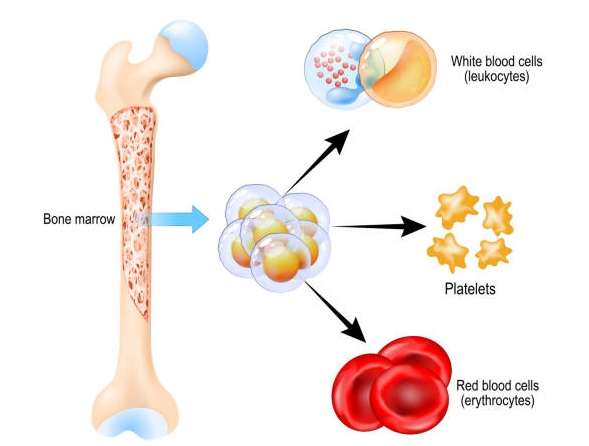
This approach blocks or lowers hormone levels that stimulate certain cancers such as breast or prostate cancers. It is often used alongside other therapies for comprehensive management.
- Underlying causes : Some tumor types rely on hormones like estrogen or testosterone for growth .
- Diagnosis : Hormone receptor testing helps determine suitability for this treatment .
- Treatment forms : Includes pills, injections ,or implants that inhibit hormone production/action .
- Monitoring & management : Side effects like hot flashes, mood changes,and bone thinning are addressed proactively .
- Purpose : Slows disease progression and reduces recurrence risk by depriving tumors of necessary hormonal signals .
Hormone therapy plays a crucial role in targeted control strategies enhancing long-term outcomes .
IMMUNOTHERAPY

This treatment stimulates the body’s own immune system to recognize and attack cancer cells more effectively. It has revolutionized therapy options for many malignancies recently.
- Cancer awareness symptoms: Works best in cancers where the immune environment can be activated against tumor cells.
- Verification process: Biomarker testing helps identify patients likely to respond well to immunotherapies.
- Treatment administration: Given as intravenous infusions at intervals determined by protocol and patient response.
- Avoiding side effects: Includes managing immune-related responses such as inflammation which can affect various organs but are controllable with medication.
- Outcome prospects : Immunotherapy can induce long-lasting remission even in advanced cancers by reinforcing natural defenses .
This method harnesses immune pathways offering hope beyond conventional treatments for certain cases .
TARGETED THERAPY
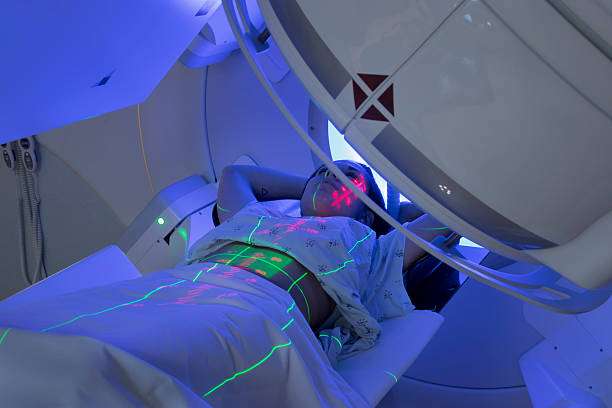
A newer class of treatments known as targeted therapy focuses on specific molecules involved in cancer growth. It minimizes damage to normal cells compared with traditional chemotherapy.
- Causes/symptoms: Identifies genetic mutations or proteins driving particular cancers to inhibit their activity.
- Diagnostic tests: Molecular profiling of tumor samples determines eligibility for these drugs.
- Treatment delivery: Usually oral medications taken daily over extended periods under medical supervision.
- Side effects management: Side effects tend to be milder but require monitoring for skin reactions or fatigue.
- Treatment goals: Aims to halt progression, shrink tumors, and improve quality of life through precision medicine techniques.
This sophisticated approach represents personalized care targeting the unique characteristics of each patient's malignancy.
RADIATION THERAPY
This therapy utilizes high-energy rays to destroy cancer cells or shrink tumors. It is often combined with other treatments depending on the individual case.
- Symptoms/causes: Radiation targets damaged DNA within rapidly dividing cells causing their death.
- Diagnosis: Cancer location and size help plan appropriate radiation dosage and schedule.
- Treatment procedures: Sessions are typically brief but repeated over weeks for optimal outcomes.
- Side effect management: Skin irritation, fatigue, or localized discomfort may occur but are usually temporary.
- Follow-up care: Ongoing clinical evaluations check for response and potential late-onset effects.
This method strives to precisely attack malignancies while sparing nearby healthy tissues as much as possible.
CHEMOTHERAPY
Chemotherapy is a common cancer treatment that uses powerful drugs to kill rapidly dividing cells. It may be used alone or alongside other treatments to control or eliminate cancer.
- Symptoms/causes: Cancer cells grow uncontrollably, and chemotherapy targets these abnormal cells specifically.
- Diagnosis: Determining the type and stage of cancer guides chemotherapy protocols.
- Treatment options: Chemotherapy involves cycles of intravenous or oral drugs tailored to the cancer type.
- Management: Side effects like nausea or fatigue are managed with medications and supportive care.
- What to expect: Regular monitoring through blood tests and scans assesses treatment effectiveness and side effects.
This approach aims to reduce tumor size, prevent spread, or achieve remission by interfering with cancer cell growth mechanisms.