
Dr Mohd Laeeq Kha
About Me
Dr Mohd Laeeq Kha
MBBS
Cardiologist
10 Years Experience
Biography
My Clinic
OPD Hours
| Monday | Morning | 10:00 AM | - | 02:00 PM |
| Evening | 06:00 PM | - | 09:00 PM | |
| Tuesday | Morning | 10:00 AM | - | 02:00 PM |
| Evening | 06:00 PM | - | 09:00 PM | |
| Wednesday | Morning | 10:00 AM | - | 02:00 PM |
| Evening | 06:00 PM | - | 09:00 PM | |
| Thursday | Morning | 10:00 AM | - | 02:00 PM |
| Evening | 06:00 PM | - | 09:00 PM | |
| Friday | Morning | 10:00 AM | - | 02:00 PM |
| Evening | 06:00 PM | - | 09:00 PM | |
| Saturday | Morning | 10:00 AM | - | 02:00 PM |
| Evening | 06:00 PM | - | 09:00 PM | |
| Sunday | Morning | 10:00 AM | - | 02:00 PM |
| Evening | 06:00 PM | - | 09:00 PM |
Treatments
Specialised care and treatments offered
HEART FAILURE LIFESTYLE SUPPORT

This condition happens when the heart struggles to pump sufficient blood effectively. While medical treatments are critical components of care, adopting healthy daily habits plays an equally vital role in managing symptoms and enhancing quality of life for those affected by heart failure.
- Main Symptoms & Causes: Fatigue , swelling , shortness of breath ; often results from long-standing high blood pressure , previous myocardial infarction , or valve abnormalities .
- Easiest Diagnosis Tools: Echocardiography combined with clinical evaluation determines severity .
- Lifestyle Modifications: Salt restriction , fluid management , gentle physical activity under supervision , weight tracking – all aid symptom control .
- Treatment Integration: These non-pharmacological approaches complement medications prescribed by cardiologists .
- User Expectations: Steady commitment often leads to improved exercise tolerance , reduced hospitalizations , better overall well-being .
Lifestyle support stands as an indispensable element alongside pharmacological therapy ensuring comprehensive care for individuals suffering from heart failure .
HEART FAILURE LIFESTYLE SUPPORT
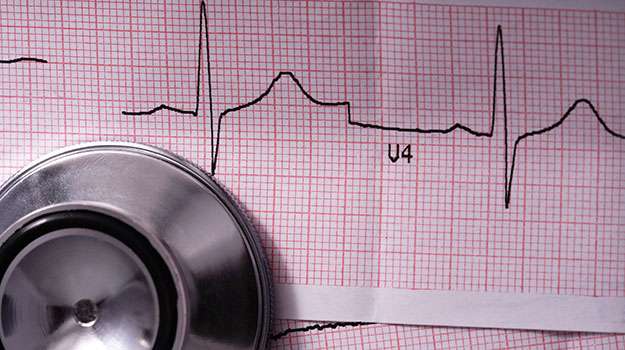
This condition occurs when the heart cannot pump blood efficiently enough to meet the body's needs. Although it requires medical management, lifestyle adjustments are important complementary therapies that improve patient outcomes substantially.
- Symptoms & Causes: Shortness of breath, fatigue due to underlying cardiac injury or chronic conditions like hypertension or ischemic heart disease.
- Diagnosis:Painless imaging modalities such as echocardiogram evaluate cardiac function precisely along with clinical exam findings.
CORONARY ARTERY DISEASE PREVENTION
The narrowing or blockage of coronary arteries due to plaque buildup leads to coronary artery disease (CAD), which can cause chest pain or heart attacks. Preventative strategies significantly reduce disease onset and progression.
- Symptoms & Causes: Symptoms include chest discomfort or shortness of breath; caused primarily by atherosclerosis from risk factors like smoking and poor diet.
- Diagnosis: Stress tests and imaging techniques assess artery functioning when risk factors present but symptoms are unclear.
- Treatment & Management: Prioritizing smoking cessation, balanced nutrition low in saturated fats/cholesterol, regular aerobic exercise helps prevent progression; medications may supplement these efforts as necessary.
- What to Expect: Consistent lifestyle adherence commonly reduces angina frequency and lowers heart attack risk significantly over time.
A proactive approach focusing on lifestyle choices remains the foundation for limiting coronary artery disease impact before surgical interventions become necessary.
ARRHYTHMIA MONITORING AND LIFESTYLE MODIFICATION
An arrhythmia refers to an irregular heartbeat which can range from harmless to life-threatening. Early identification and management help prevent complications such as stroke or heart failure.
- Symptoms & Causes: Palpitations, dizziness; causes include heart disease, stress, caffeine use or electrolyte imbalances.
- Diagnosis: Electrocardiogram (ECG), Holter monitoring capture abnormal rhythms over time.
- Treatment & Management: Lifestyle advice includes avoiding triggers like excessive caffeine or alcohol; some cases require medication or device therapy under specialist care.
- What to Expect: Regular cardiac monitoring and adherence to lifestyle recommendations maintain stable rhythm control in many patients.
Lifestyle interventions play a key role alongside clinical treatments in managing arrhythmias effectively and improving quality of life.
CHOLESTEROL CONTROL
Elevated cholesterol levels contribute to plaque buildup in arteries, increasing the risk of coronary artery disease. Managing cholesterol is critical for maintaining heart health.
- Symptoms & Causes: Usually no direct symptoms; caused by diets high in saturated fats, sedentary lifestyle, genetics.
- Diagnosis: Blood lipid profile tests including LDL, HDL, and triglycerides measurements.
- Treatment & Management: Emphasis on heart-healthy diets (low saturated fats), increased physical activity, weight loss strategies; medications like statins may be used if needed.
- What to Expect: Improvements typically observed over weeks to months; periodic testing monitors effectiveness of treatment plans.
A focus on sustainable dietary habits combined with lifestyle modifications is fundamental to controlling cholesterol levels and reducing cardiac risks.
HYPERTENSION MANAGEMENT
High blood pressure, or hypertension, is a common cardiovascular condition that can lead to serious health complications if left untreated. It often develops over years without noticeable symptoms, making regular check-ups essential.
- Symptoms & Causes: Frequently asymptomatic; causes include genetics, poor diet, stress, and lack of exercise.
- Diagnosis: Blood pressure readings taken with a sphygmomanometer over multiple visits.
- Treatment & Management: Lifestyle changes such as reduced salt intake, regular physical activity, weight management, and sometimes medication prescribed by a cardiologist.
- What to Expect: Regular monitoring and gradual adjustments to therapy help keep blood pressure within target ranges and reduce risks of heart attack or stroke.
Proper control of hypertension through non-invasive methods serves as the cornerstone for preventing long-term cardiovascular damage and improving overall health.