
Dr Mohd Ayub
About Me
Dr Mohd Ayub
MBBS
General Physician
10 Years Experience
Biography
My Clinic
OPD Hours
| Monday | Morning | 10:00 AM | - | 02:00 PM |
| Evening | 06:00 PM | - | 09:00 PM | |
| Tuesday | Morning | 10:00 AM | - | 02:00 PM |
| Evening | 06:00 PM | - | 09:00 PM | |
| Wednesday | Morning | 10:00 AM | - | 02:00 PM |
| Evening | 06:00 PM | - | 09:00 PM | |
| Thursday | Morning | 10:00 AM | - | 02:00 PM |
| Evening | 06:00 PM | - | 09:00 PM | |
| Friday | Morning | 10:00 AM | - | 02:00 PM |
| Evening | 06:00 PM | - | 09:00 PM | |
| Saturday | Morning | 10:00 AM | - | 02:00 PM |
| Evening | 06:00 PM | - | 09:00 PM | |
| Sunday | Morning | 10:00 AM | - | 02:00 PM |
| Evening | 06:00 PM | - | 09:00 PM |
Treatments
Specialised care and treatments offered
ANEMIA WORKUP
Anemia occurs when there is a deficiency in red blood cells or hemoglobin leading to reduced oxygen delivery throughout the body. Identifying its cause is key for effective treatment planning.
- < li < tanormsandsymptoms:
ROUTINE HEALTH CHECK-UPS

A comprehensive health check involves evaluating vital signs and screening tests to detect diseases early before symptoms appear. These assessments support long-term well-being through prevention rather than reactionary treatment.
THYROID FUNCTION TESTING

The thyroid gland regulates metabolism through hormone production. Dysfunction can manifest as underactive (hypothyroidism) or overactive (hyperthyroidism) states requiring thorough evaluation.
- Causative Factors: Autoimmune disorders, iodine deficiencies, or nodular disease affecting hormone output.
- Diagnostic Procedures:
RESPIRATORY INFECTION EVALUATION
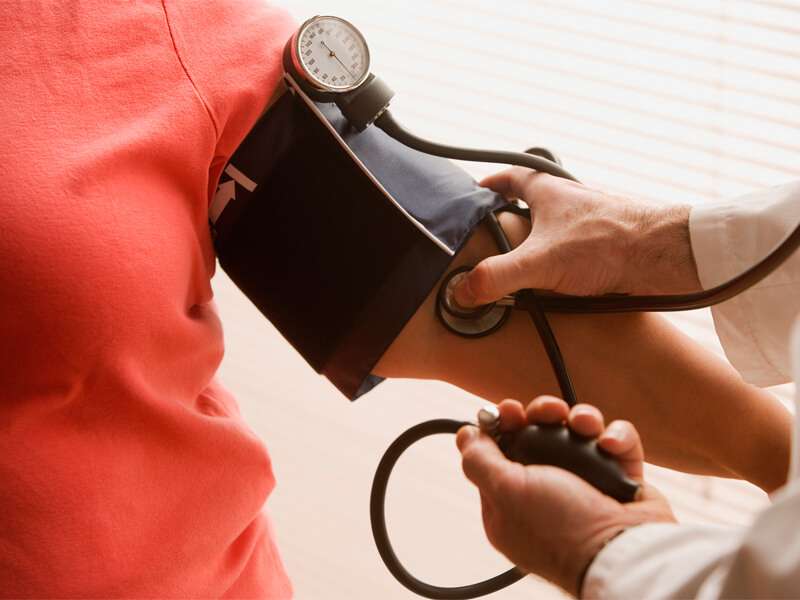
Respiratory infections affect the airways and lungs, ranging from mild colds to more severe pneumonia. Accurate diagnosis directs appropriate treatment strategies.
- Common Symptoms: Coughing, sore throat, chest congestion, fever; caused by viral or bacterial pathogens.
- Investigations: Physical examination combined with chest X-rays and sputum analysis if necessary to distinguish infection type.
- Treatment Options: Supportive care including rest and hydration for viruses; antibiotics prescribed for bacterial infections as indicated.
- Recovery Expectations: Most viral infections resolve within days; more serious cases require close follow-up to prevent complications like bronchitis or pneumonia.
A prompt clinical assessment aids in reducing symptom duration and minimizing spread in the community setting.
DIABETES MELLITUS SCREENING

Diabetes is a metabolic disorder characterized by high blood sugar levels due to insulin resistance or deficiency. Screening helps in early detection before major complications occur.
- Symptoms & Causes: Increased thirst, frequent urination, unexplained weight loss; often linked with sedentary lifestyle and family history.
- Diagnostic Tests: Fasting blood glucose, HbA1c tests provide accurate measures of blood sugar control over time.
- Treatment & Control: Dietary changes, physical activity, oral hypoglycemic agents, or insulin therapy based on disease stage.
- Avoiding Complications: Regular eye exams, foot care, and kidney function tests are important parts of management.
This proactive approach allows for timely interventions to manage diabetes effectively and maintain overall health stability.
HYPERTENSION MANAGEMENT

High blood pressure is a common condition where the force of blood against artery walls is consistently too high. If left untreated, it increases the risk of serious health issues like heart attacks and strokes.
- Symptoms & Causes: Often called the silent killer, it may show no symptoms but can result from obesity, stress, or genetic factors.
- Diagnosis: Regular monitoring with a sphygmomanometer, ambulatory blood pressure monitoring, and evaluation of cardiovascular risk factors.
- Treatment: Lifestyle modifications including diet and exercise, along with prescribed antihypertensive medications as needed.
- Management: Ongoing follow-up visits to adjust therapy and prevent complications.
Early identification and treatment of elevated blood pressure are crucial for maintaining cardiac health and preventing long-term damage.