
Dr Mohd Athar
About Me
Dr Mohd Athar
MS
Ophthalmologist
10 Years Experience
Biography
My Clinic
OPD Hours
| Monday | Morning | 10:00 AM | - | 02:00 PM |
| Evening | 06:00 PM | - | 09:00 PM | |
| Tuesday | Morning | 10:00 AM | - | 02:00 PM |
| Evening | 06:00 PM | - | 09:00 PM | |
| Wednesday | Morning | 10:00 AM | - | 02:00 PM |
| Evening | 06:00 PM | - | 09:00 PM | |
| Thursday | Morning | 10:00 AM | - | 02:00 PM |
| Evening | 06:00 PM | - | 09:00 PM | |
| Friday | Morning | 10:00 AM | - | 02:00 PM |
| Evening | 06:00 PM | - | 09:00 PM | |
| Saturday | Morning | 10:00 AM | - | 02:00 PM |
| Evening | 06:00 PM | - | 09:00 PM | |
| Sunday | Morning | 10:00 AM | - | 02:00 PM |
| Evening | 06:00 PM | - | 09:00 PM |
Treatments
Specialised care and treatments offered
DRY EYE SYNDROME MANAGEMENT
This condition occurs when tears aren’t able to provide adequate lubrication for your eyes due to various reasons such as environmental factors or medical conditions. Managing dry eyes is essential for maintaining comfort and functionality of everyday activities.
- ]]>
STRABISMUS CORRECTION

This condition involves misalignment of the eyes (commonly referred to as crossed eyes) which can affect depth perception and overall visual acuity. Early diagnosis can lead to improved outcomes through various treatment methods.
- Causes: Strabismus may originate from muscle imbalances or neurological issues affecting coordination between both eyes.
- Diagnosis: An ophthalmological examination evaluates alignment during various gaze directions using specialized tests.
- Treatment Options: Treatments could range from corrective glasses or prisms to surgical intervention that adjusts muscle positioning around the eyes depending on severity.
- What To Expect: Post-treatment recovery varies; follow-up exams ensure proper healing and alignment restoration over time.
Addressing strabismus early enhances visual performance; don’t hesitate to seek assessment if you notice signs of misalignment in children or adults alike.
MACULAR DEGENERATION CARE

A common cause of vision loss among older adults is macular degeneration, which affects the central part of the retina known as the macula. Understanding this condition is crucial for managing its effects on daily life.
- Symptoms: Patients often report difficulty reading or recognizing faces due to distorted central vision.
- Causative Factors: Age, genetics, smoking, and UV exposure can contribute significantly to its development over time.
- Treatment Approaches: While there’s no cure, options like anti-VEGF injections may slow progression. Lifestyle changes can also play a significant role in management.
If you're experiencing changes in your central vision, seeking medical advice promptly can lead to better outcomes in managing this condition effectively.
DIABETIC RETINOPATHY TREATMENT

This condition affects those with diabetes and involves damage to the blood vessels in the retina. Diabetic retinopathy can lead to severe vision impairment if not identified early.
- Symptoms: You may notice blurred or fluctuating vision and see spots or dark strings affecting your visual field.
- Risk Factors: Prolonged diabetes increases risk; maintaining good blood sugar levels is critical in prevention.
- Diagnosis: A dilated eye examination enables an ophthalmologist to detect changes in the retina.
- Treatment: Options may include laser therapy or injections that help manage retinal health.
- Follow-up care: Regular check-ups will help track disease progression and adjust treatment plans accordingly.
Early intervention is key; regular screenings for those with diabetes are essential for preserving sight. Consult your ophthalmologist for evaluation and management strategies.
GLAUCOMA MANAGEMENT
Glaucoma is an eye condition that damage the optic nerve, often linked with increased intraocular pressure. It can lead to progressive vision loss if not managed effectively.
- Causes: It may result from genetic factors or other health conditions affecting intraocular pressure.
- Diagnosis: Regular eye examinations are vital; tests may include measuring eye pressure and assessing peripheral vision.
- Treatment Options: Medications such as eye drops or surgical procedures can help reduce pressure on the optic nerve.
- Management: Continuous monitoring and adherence to prescribed treatments are essential for preventing further vision loss.
If you suspect glaucoma, seek prompt evaluation to initiate appropriate management strategies early on.
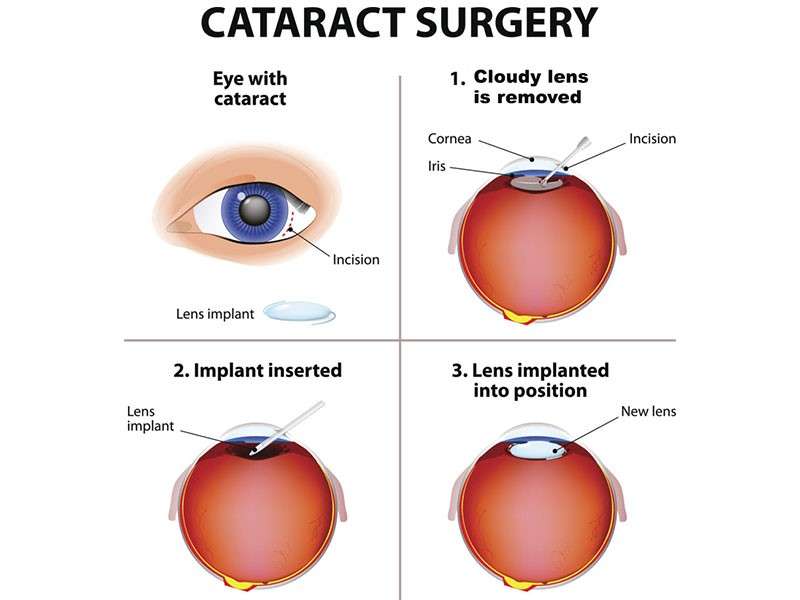
CATARACT SURGERY
Cataracts are a common condition that affects many individuals, particularly as they age. They occur when the lens of the eye becomes cloudy, leading to impaired vision.
- Symptoms: Common symptoms include blurry vision, difficulty seeing at night, and sensitivity to light.
- Diagnosis: An eye doctor will conduct a comprehensive eye exam to determine the severity of cataracts.
- Treatment: If cataracts interfere with daily activities, surgery may be recommended to replace the cloudy lens with an artificial one.
- Recovery: After surgery, expect improved vision within days and follow-up appointments to ensure healing is progressing well.
If you experience any symptoms related to cataracts, consult a healthcare professional for a thorough evaluation and treatment options.