
Dr Mohammad Faha
About Me
Dr Mohammad Faha
MBBS
Internal Medicine
10 Years Experience
Biography
My Clinic
OPD Hours
| Monday | Morning | 10:00 AM | - | 02:00 PM |
| Evening | 06:00 PM | - | 09:00 PM | |
| Tuesday | Morning | 10:00 AM | - | 02:00 PM |
| Evening | 06:00 PM | - | 09:00 PM | |
| Wednesday | Morning | 10:00 AM | - | 02:00 PM |
| Evening | 06:00 PM | - | 09:00 PM | |
| Thursday | Morning | 10:00 AM | - | 02:00 PM |
| Evening | 06:00 PM | - | 09:00 PM | |
| Friday | Morning | 10:00 AM | - | 02:00 PM |
| Evening | 06:00 PM | - | 09:00 PM | |
| Saturday | Morning | 10:00 AM | - | 02:00 PM |
| Evening | 06:00 PM | - | 09:00 PM | |
| Sunday | Morning | 10:00 AM | - | 02:00 PM |
| Evening | 06:00 PM | - | 09:00 PM |
Treatments
Specialised care and treatments offered
VACCINATION UPDATES FOR ADULTS
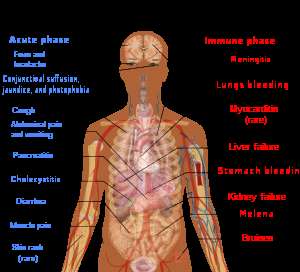
K eeping adult vaccinations up-to-date protects against preventable infectious diseases. Immunizations remain crucial even after childhood years due to waning immunity or new exposures .
- Recommended Vaccines : Influenza annually , tetanus boosters every ten years , pneumococcal vaccines for older adults , shingles vaccine starting after age 50 .
- Assessment Of Immunization Status : Review past records during periodic checkups allows identification of missed vaccines needing catch-up doses .
- Importance For Chronic Conditions : Adults with illnesses like diabetes or lung diseases particularly benefit from protection against infections that could worsen their health .
- Side Effects And Safety : Most vaccinations cause mild temporary discomfort ; serious adverse reactions are rare due to rigorous safety monitoring systems .
Staying current with vaccines through ongoing dialogue with healthcare professionals promotes community health resilience along with individual protection .
ROUTINE CANCER SCREENING IN INTERNAL MEDICINE
Cancer screenings aim to detect malignancies early when treatment success rates are higher. Various tests are recommended based on age and risk factors.
- Cancers Screened Commonly Include: Colon, breast (via mammography), cervical (Pap smear), prostate in men depending on guidelines followed locally.
- The Screening Methods: Non-invasive procedures often performed in outpatient settings allow timely evaluation before symptoms arise.
- The Benefits of Early Detection: Enables less aggressive treatments and better survival outcomes compared to late-stage diagnosis cases documented extensively worldwide.
- Frequency Guidelines: Depends on individual risk profile including family history along with general population recommendations updated periodically .
Maintaining regular cancer screening appointments as advised facilitates proactive healthcare tailored for healthy aging .
CHRONIC OBSTRUCTIVE PULMONARY DISEASE (COPD) MONITORING
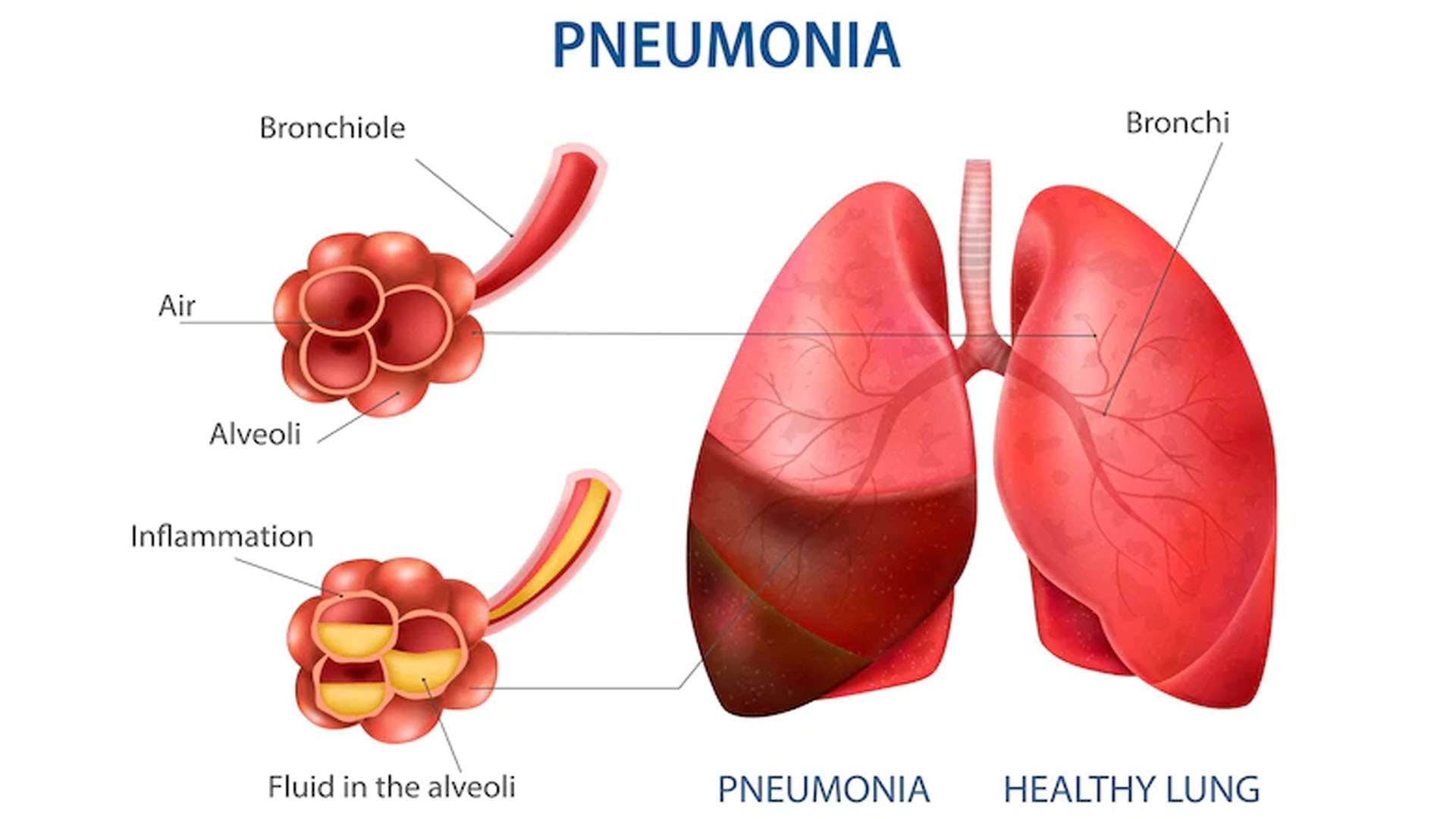
COPD refers to progressive lung diseases causing airflow blockage. Early recognition aids symptom management and slows progression.
- Main Causes: Long-term exposure to irritants like cigarette smoke primarily contributes; environmental pollutants also play roles.
- Spirometry Test: Measures lung function to confirm diagnosis and assess severity level.
- Treatment Modalities: Inhaled bronchodilators, corticosteroids, oxygen therapy plus pulmonary rehabilitation help improve breathing comfort.
- Lifestyle Considerations: Smoking cessation is critical; vaccination against flu reduces exacerbation risks significantly.
A comprehensive approach combining medication adherence with lifestyle changes improves quality of life for individuals affected by COPD.
CHOLESTEROL LEVEL ASSESSMENT
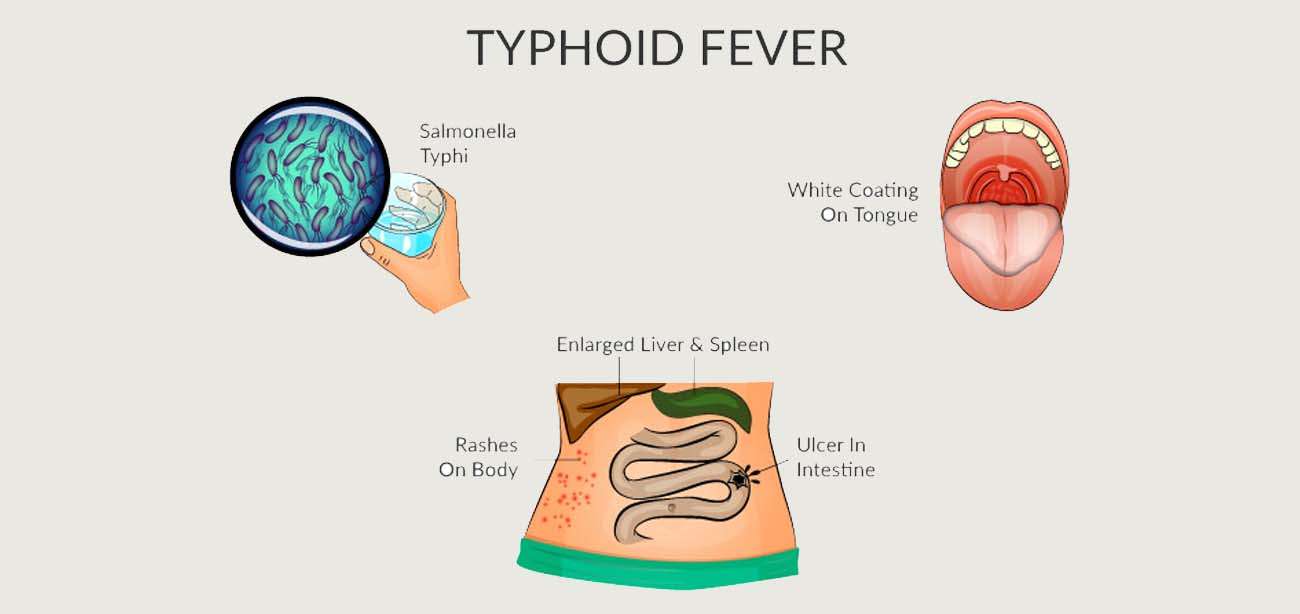
Lipid profile testing measures cholesterol types in the blood to evaluate cardiovascular risk. Maintaining healthy cholesterol levels is important for heart health.
- Understanding Cholesterol: LDL ('bad'), HDL ('good'), and triglycerides influence arterial health differently.
- Assessment Process: A fasting blood sample helps determine cholesterol concentrations accurately.
- Treatment Approaches: Dietary adjustments, exercise programs, and possibly statin medications manage abnormal lipid levels.
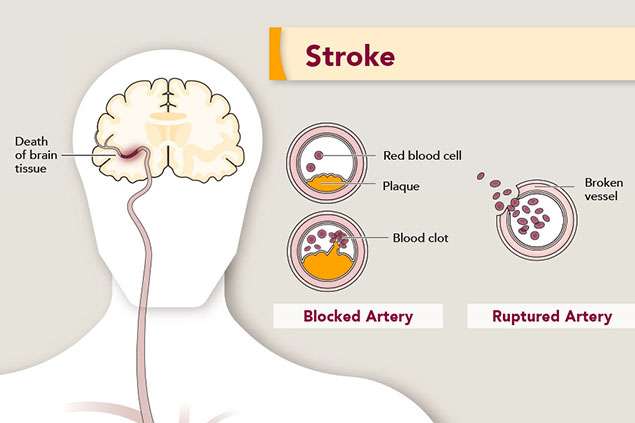
- Aim of Management: Prevent plaque buildup in arteries reducing likelihood of heart attacks and strokes over time.
An individualized plan based on test results enables effective control of cholesterol through prevention or intervention strategies.
TYPE 2 DIABETES SCREENING AND PREVENTION
Type 2 diabetes is a metabolic disorder characterized by high blood sugar levels due to insulin resistance. Early detection is key for preventing complications.
- Risk Factors: Includes obesity, sedentary lifestyle, family history, and age over 45 years.
- Screening Tests: Blood tests such as fasting glucose or HbA1c help identify prediabetes or diabetes early.
- Prevention Strategies: Healthy diet, regular physical activity, weight loss, and avoiding tobacco use can delay or prevent onset.
- Treatment Monitoring: Regular follow-up testing ensures control of blood glucose levels if diagnosed.
Lifestyle modifications alongside timely screening are essential steps toward reducing the burden of type 2 diabetes.
HYPERTENSION MANAGEMENT
High blood pressure, or hypertension, is a common condition that increases the risk of heart disease and stroke. Managing it effectively helps prevent serious complications.
- Causes and Symptoms: Often called the 'silent killer' since it may present no symptoms; risk factors include genetics, obesity, stress, and poor diet.
- Diagnosis: Regular blood pressure readings taken at rest; monitoring over multiple visits confirms diagnosis.
- Treatment Options: Lifestyle changes like diet and exercise combined with medications such as ACE inhibitors or beta-blockers.
- What to Expect: Ongoing monitoring to maintain target blood pressure, minimizing risks of heart attack or kidney problems.
Consistent management of hypertension through medical guidance and lifestyle adaptation greatly improves long-term health outcomes.