
Dr Mk Siddiqui
About Me
Dr Mk Siddiqui
MBBS
General Physician
10 Years Experience
Biography
My Clinic
OPD Hours
| Monday | Morning | 10:00 AM | - | 02:00 PM |
| Evening | 06:00 PM | - | 09:00 PM | |
| Tuesday | Morning | 10:00 AM | - | 02:00 PM |
| Evening | 06:00 PM | - | 09:00 PM | |
| Wednesday | Morning | 10:00 AM | - | 02:00 PM |
| Evening | 06:00 PM | - | 09:00 PM | |
| Thursday | Morning | 10:00 AM | - | 02:00 PM |
| Evening | 06:00 PM | - | 09:00 PM | |
| Friday | Morning | 10:00 AM | - | 02:00 PM |
| Evening | 06:00 PM | - | 09:00 PM | |
| Saturday | Morning | 10:00 AM | - | 02:00 PM |
| Evening | 06:00 PM | - | 09:00 PM | |
| Sunday | Morning | 10:00 AM | - | 02:00 PM |
| Evening | 06:00 PM | - | 09:00 PM |
Treatments
Specialised care and treatments offered
CHRONIC OBSTRUCTIVE PULMONARY DISEASE (COPD) EARLY DETECTION
COPD is a progressive lung disease causing airflow blockage making breathing difficult. Early recognition helps slow progression and improve quality of life through proper management strategies.
- Main causes & symptoms: Usually linked to smoking history or long-term exposure to pollutants manifesting as chronic cough with sputum production alongside shortness of breath during activity;
- {@diagnostic methods}: Pulmonary function tests including spirometry assess lung capacity confirming diagnosis;
- An effective treatment regime involves quitting smoking immediately complemented by use of bronchodilators inhaled corticosteroids administered under supervision;
- @Lifestyle adjustments such as pulmonary rehabilitation exercises assist in enhancing respiratory muscle strength improving tolerance towards exertion;
- @Regular medical reviews monitor symptom relief preventing exacerbations sustaining day-to-day functioning ability;
This proactive approach empowers individuals affected by COPD to manage symptoms actively thereby maintaining independence longer despite underlying lung impairment
ANEMIA EVALUATION AND MANAGEMENT

Anemia occurs when there is a decreased concentration of red blood cells or hemoglobin in the blood resulting in reduced oxygen delivery to tissues. Recognizing this condition early improves outcomes significantly.
- Causative factors & symptoms: Common causes include nutritional deficiencies (iron, vitamin B12), chronic diseases or blood loss; patients may experience fatigue, pallor or shortness of breath upon exertion.
- Diagnostic process: Blood tests measure hemoglobin levels alongside iron studies to determine type of anemia involved.
- Treatment options: Targeted supplementation based on specific deficiency states; addressing underlying conditions also plays a key role in correction.
- Lifestyle guidance & monitoring: Nutritional counseling promotes intake of iron-rich foods while follow-up testing evaluates therapeutic response over time.
- If untreated risks include impaired immunity & worsening cardiac workload necessitating timely intervention for best prognosis.
A comprehensive approach combining diagnosis verification plus personalized treatment ensures restoration of healthy red cell counts promoting better energy levels throughout daily activities.
ACUTE GASTROENTERITIS MANAGEMENT

This condition involves sudden inflammation of the stomach and intestines leading to diarrhea and vomiting. It is commonly caused by infections acquired through contaminated food or water.
- The primary symptom includes frequent loose stools often accompanied by abdominal cramps or nausea; dehydration risk must be monitored carefully especially in children and elderly patients. Diagnosis : clinical signs typically guide identification without need for extensive testing unless symptoms persist.
- Treatment focuses on rehydration via oral fluids or intravenous solutions when severe while avoiding unnecessary antibiotics since viral causes predominate.
- Dietary recommendations encourage small frequent meals resuming normal diet gradually as tolerated.
- Prevention includes practicing proper hand hygiene measures along with safe food handling techniques.
Most cases resolve within days with supportive care though attention must be paid towards signs requiring prompt medical intervention ensuring full recovery without complications .
UPPER RESPIRATORY TRACT INFECTION (URTI) TREATMENT
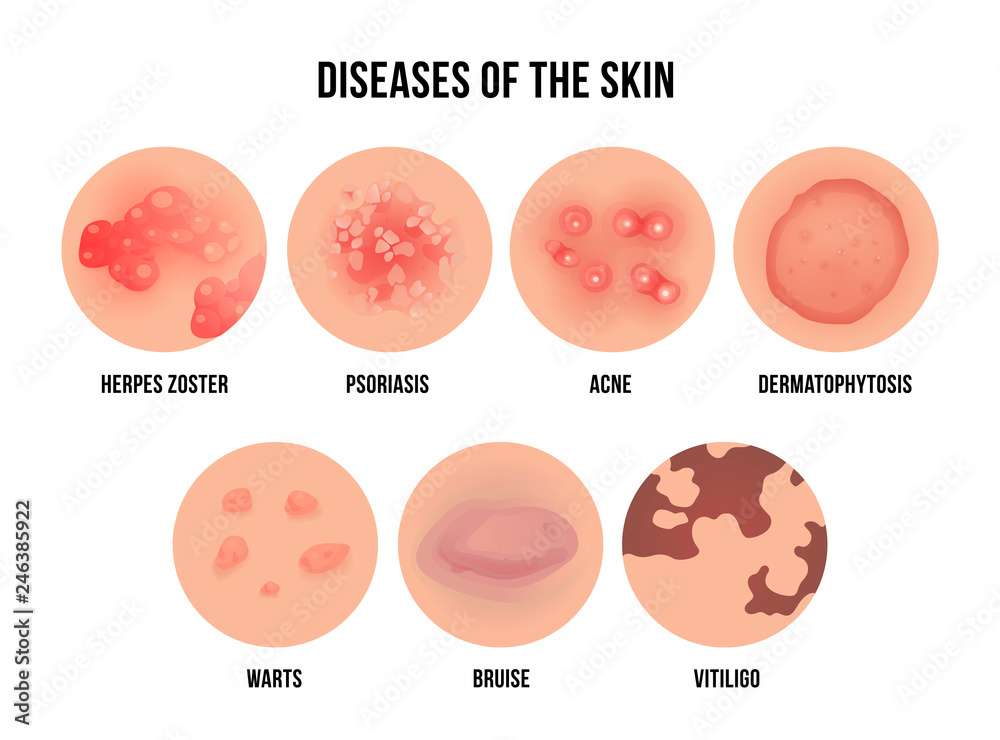
Mild infections affecting the nose, throat, sinuses or airways fall under upper respiratory tract infections. These are among the most common reasons for doctor visits worldwide.
- Causative agents & symptoms: Viruses predominantly cause URTIs presenting with sore throat, cough, nasal congestion, sneezing and mild fever. & Diagnosis:: Clinical evaluation along with patient history usually suffices; laboratory tests are rarely required unless complications arise.
TYPE 2 DIABETES CARE

Type 2 diabetes is a chronic metabolic disorder characterized by elevated blood sugar levels due to insulin resistance. Proper management helps prevent complications and maintain quality of life.
- Symptoms and causes: Increased thirst, frequent urination, fatigue; risk factors include family history, obesity, poor diet, physical inactivity.
- Diagnostic tests: Fasting blood glucose tests or HbA1c measurements are commonly used to confirm diabetes.
- Treatment approach: Includes lifestyle interventions like dietary improvements and exercise combined with oral hypoglycemics or insulin when necessary.
- Monitoring: Regular blood sugar checks are vital for adjusting therapy plans promptly.
- Goals: Maintaining target glucose levels reduces risks of nerve damage, cardiovascular disease, kidney failure, and vision loss.
A tailored care plan focused on education and routine follow-up supports effective disease control in individuals living with type 2 diabetes.
HYPERTENSION MANAGEMENT
High blood pressure, or hypertension, is a common condition that requires ongoing management to prevent serious health complications. Understanding and controlling blood pressure levels is crucial for maintaining overall cardiovascular health.
- Symptoms and causes: Often called the 'silent killer', hypertension may present with no obvious symptoms. Causes include genetic factors, obesity, excessive salt intake, stress, and sedentary lifestyle.
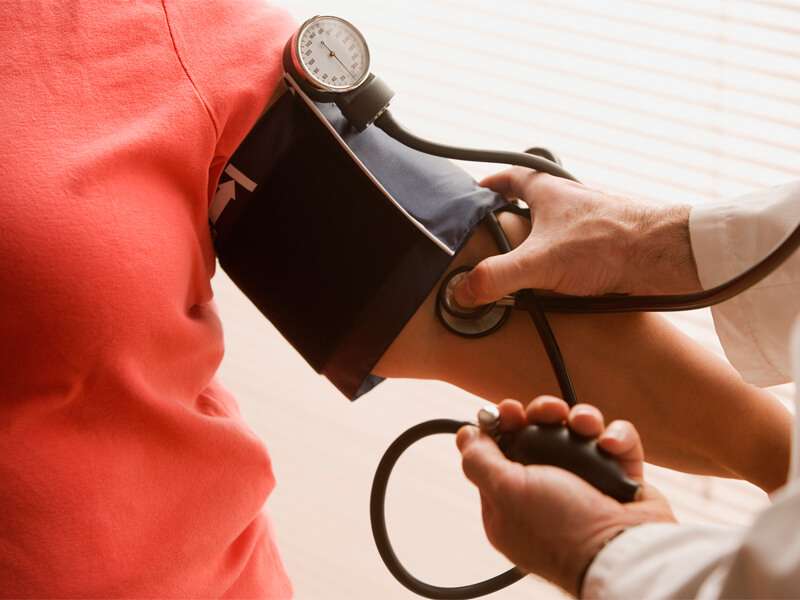
- Diagnosis: Blood pressure measurement during routine checkups is essential. Multiple readings over time confirm diagnosis.
- Treatment options: Lifestyle modifications such as diet changes, regular exercise, weight control, alongside prescribed antihypertensive medications help manage blood pressure effectively.
- Monitoring and follow-up: Regular monitoring ensures treatment effectiveness and adjustment of medication if needed.
- Expectations: With adherence to medical advice and healthy habits, blood pressure can be controlled to reduce risks of heart attack, stroke, and kidney disease.
Early detection and continuous care form the cornerstone of successful hypertension management to preserve long-term well-being.