
Dr Meena BMS-G
About Me
Dr Meena BMS-G
MS
Orthopaedic Surgeons
10 Years Experience
Biography
My Clinic
OPD Hours
| Monday | Morning | 10:00 AM | - | 02:00 PM |
| Evening | 06:00 PM | - | 09:00 PM | |
| Tuesday | Morning | 10:00 AM | - | 02:00 PM |
| Evening | 06:00 PM | - | 09:00 PM | |
| Wednesday | Morning | 10:00 AM | - | 02:00 PM |
| Evening | 06:00 PM | - | 09:00 PM | |
| Thursday | Morning | 10:00 AM | - | 02:00 PM |
| Evening | 06:00 PM | - | 09:00 PM | |
| Friday | Morning | 10:00 AM | - | 02:00 PM |
| Evening | 06:00 PM | - | 09:00 PM | |
| Saturday | Morning | 10:00 AM | - | 02:00 PM |
| Evening | 06:00 PM | - | 09:00 PM | |
| Sunday | Morning | 10:00 AM | - | 02:00 PM |
| Evening | 06:00 PM | - | 09:00 PM |
Treatments
Specialised care and treatments offered
STRESS FRACTURES
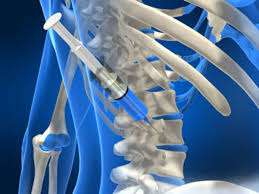
A stress fracture is a small crack in a bone resulting primarily from repetitive force commonly seen among athletes involved in high-impact sports disciplines. They develop slowly over time rather than suddenly occurring!
DISLOCATIONS
A dislocation happens when bones within a joint become displaced from their normal positioning due to trauma. This condition requires immediate medical attention for proper handling and restoration of function!
- Symptoms: Visible deformity at the joint site along with pronounced pain; inability to use affected limb signifies urgent care is needed quickly!
- sTreatment: Professionals often employ closed reduction techniques (manually aligning bones) followed by immobilization; in some instances open surgery provides necessary repairs if ligaments torn significantly.
CARTILAGE DAMAGE

Damage to cartilage can result from trauma, wear-and-tear arthritis, or repetitive stress; it compromises joint functionality significantly. This condition often affects knees but can impact any joint region.
- Symptoms: Pain during movement, swelling around joints, stiffness after rest periods are common indications of cartilage issues.
- Diagnosis: Imaging studies like MRI provide clear images of cartilage integrity while physical evaluations assess function loss due to damage.
- Treatment: Management strategies include medication for pain relief, physical rehabilitation exercises; surgical options may involve debridement or cartilage repair techniques depending on severity level.
A comprehensive approach ensures better management of symptoms leading back towards an active lifestyle post-recovery from cartilage damage challenges!
LIGAMENT TEARS

A ligament tear is an injury affecting the connective tissue that stabilizes joints. These injuries may occur during sports activities or accidents involving sudden twists or impacts.
- Symptoms: Immediate swelling and pain at the site of injury along with reduced stability of the affected joint.
- Diagnosis: A thorough examination is combined with imaging like MRI to assess the degree of tearing accurately.
- Treatment: Ranging from conservative measures like rest and physiotherapy to surgical reconstruction in severe cases where stability isn’t achievable otherwise.
- Rehabilitation: Post-treatment therapy is vital for restoring joint function and preventing future complications after healing has occurred.
Catching ligament tears early increases chances for favorable outcomes without long-term repercussions on joint health.
TENDON INJURIES

Tendon injuries occur when tendons—the tissues connecting muscles to bones—are overstretched or ruptured. Such injuries are often seen in athletes and active individuals.
- Symptoms: Severe pain near joints, swelling, and difficulty moving the associated limb.
- Diagnosis: Assessment through physical exams followed by ultrasound or MRI to determine the extent of the damage.
- Treatment: Conservative management includes rest, ice application, anti-inflammatory medications; surgery may be required for complete tears.
- Recovery: Patients typically require physical therapy to restore function and prevent re-injury once healed.
A prompt diagnosis and appropriate treatment are essential for successful recovery from tendon injuries.
FRACTURES

Fractures represent a common injury that occurs when a bone breaks or cracks under stress. These injuries can happen due to falls, accidents, or direct impacts.
- Symptoms: Pain, swelling, bruising, and inability to move the affected area.
- Diagnosis: Physical examination followed by imaging techniques like X-rays or CT scans to confirm the fracture type and location.
- Treatment: Options include immobilization with casts or splints, pain management, and in severe cases, surgical intervention such as pinning or plating the bone.
- Recovery: Rehabilitation may be necessary post-treatment to regain strength and mobility; healing time varies based on fracture severity.
It is crucial for patients to follow medical advice throughout the healing process for optimal recovery.