
Dr Marwahs Skin
About Me
Dr Marwahs Skin
Dermatologist
Biography
My Clinic
OPD Hours
| Tuesday | Morning | 10:00 AM | - | 02:00 PM |
| Evening | 06:00 PM | - | 09:00 PM | |
| Wednesday | Morning | 10:00 AM | - | 02:00 PM |
| Evening | 06:00 PM | - | 09:00 PM | |
| Thursday | Morning | 10:00 AM | - | 02:00 PM |
| Evening | 06:00 PM | - | 09:00 PM | |
| Friday | Morning | 10:00 AM | - | 02:00 PM |
| Evening | 06:00 PM | - | 09:00 PM | |
| Saturday | Morning | 10:00 AM | - | 02:00 PM |
| Evening | 06:00 PM | - | 09:00 PM | |
| Sunday | Morning | 10:00 AM | - | 02:00 PM |
| Evening | 06:00 PM | - | 09:00 PM | |
| Thursday | Morning | 10:00 AM | - | 02:00 PM |
| Evening | 06:00 PM | - | 09:00 PM |
Treatments
Specialised care and treatments offered
WART REMOVAL
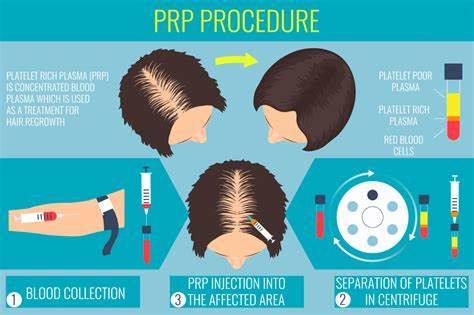
Warts are benign growths caused by human papillomavirus (HPV) infection affecting multiple areas including hands and feet. Though non-cancerous in nature—people often seek removal due primarily perceived cosmetic flaws associated!
HYPERPIGMENTATION
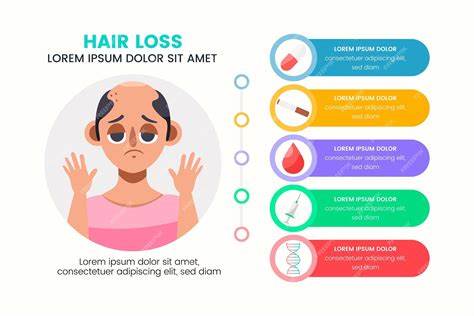
Hyperpigmentation occurs when certain areas of the skin develop excess melanin leading to darkened spots or patches. It commonly manifests as darker sections mainly due to sun exposure or hormonal fluctuations during pregnancy (often termed melasma).
- Symptoms : The primary symptom consists of darkened patches which are generally harmless but may alter appearances significantly.
- Causes : Factors contributing include excessive sun exposure (UV radiation), hormonal changes from pregnancy or birth control pills — even post-inflammatory conditions such as acne.
- Diagnosis : A dermatologist assesses hyperpigmentation through visual examination alongside patient history discussions surrounding exposure risks involved.
- Treatment options : Solutions often encompass sun avoidance (using sunscreen), topical treatments containing ingredients like hydroquinone or vitamin C for lighter effects over time.
- What to expect : Improvement timelines vary; patience is vital since pigmentation issues often take some time before noticeable changes appear through diligent care efforts!
This common concern can be managed effectively — don’t hesitate to reach out for specialized recommendations today!
ROSACEA
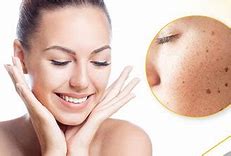
Rosacea is a chronic facial condition that results in redness and visible blood vessels. It commonly affects middle-aged individuals but can occur at any age.
- Symptoms: Key features include persistent redness on the cheeks and nose along with small red bumps resembling acne.
- Causes: The exact cause remains unclear; however, environmental factors like sun exposure or certain foods may initiate flare-ups.
- Diagnosis: A healthcare provider will assess your symptoms through observation during an office visit without requiring specific tests.
- Treatment options: Management strategies might involve topical antibiotics or laser therapy alongside avoiding triggers that worsen symptoms.
- What to expect: Consistency in following your recommended treatment plan can lead to improved appearance over time while minimizing discomfort during flare-ups.
Effective management of rosacea involves understanding personal triggers; consult for tailored advice suited for your needs!
PSORIASIS
Psoriasis is an autoimmune disease that results in rapid skin cell growth leading to thickened red patches covered with silvery scales. This condition is more than just physical—it often affects emotional health as well.
- Symptoms : Symptoms include red patches of skin covered with thick scales that often become itchy or painful.
- Causes : The exact cause is not fully understood but involves immune system dysfunction and genetic predisposition.
- Diagnosis : Psoriasis diagnosis generally requires a doctor's evaluation of the affected areas along with your medical history.
- Treatment options : Management can include topical treatments like corticosteroids or vitamin D analogs as well as light therapy in more severe cases.
- What to expect : With proactive treatment strategies tailored for you, many find significant improvements in their symptoms over time.
Understanding psoriasis helps demystify this complicated condition; seek out proper guidance for effective management plans.
ECZEMA
Eczema is a chronic inflammatory skin condition characterized by itchy and inflamed patches on the skin. It can significantly impact daily life due to discomfort and visible irritation.
- Symptoms: Symptoms often include dry skin, intense itching, redness, and sometimes weeping sores.
- Causes: Various factors like allergens, irritants, genetics, and stress can trigger eczema flare-ups.
- Diagnosis: Diagnosis is usually made through a thorough medical history assessment and physical examination of the affected areas.
- Treatment options: Treatment may involve moisturizing creams, anti-itch medications, or lifestyle modifications to avoid known triggers.
- What to expect: While eczema may be a lifelong condition for some, consistent management can help control symptoms effectively.
A comprehensive treatment plan focusing on both immediate relief and long-term maintenance can help you manage eczema efficiently.
ACNE
Acne is a common skin condition that affects individuals of all ages, particularly teenagers and young adults. It occurs when hair follicles become clogged with oil and dead skin cells, leading to the formation of pimples, blackheads, and cysts.
- Symptoms: Common signs include inflamed red spots, blackheads, and whiteheads on the face, back, or shoulders.
- Causes: Hormonal changes, excessive oil production, and bacteria are key contributors to acne development.
- Diagnosis: A dermatologist will typically diagnose acne based on a visual examination of the skin.
- Treatment options: Management may include topical medications, oral antibiotics, or lifestyle changes such as diet adjustments.
- What to expect: With consistent treatment and care, most individuals can achieve clearer skin over time.
If you're struggling with acne, know that effective solutions exist. A tailored approach can lead you towards healthier skin.