
Dr Marghoob Saleem
About Me
Dr Marghoob Saleem
MBBS
General Physician
10 Years Experience
Biography
My Clinic
OPD Hours
| Monday | Morning | 10:00 AM | - | 02:00 PM |
| Evening | 06:00 PM | - | 09:00 PM | |
| Tuesday | Morning | 10:00 AM | - | 02:00 PM |
| Evening | 06:00 PM | - | 09:00 PM | |
| Wednesday | Morning | 10:00 AM | - | 02:00 PM |
| Evening | 06:00 PM | - | 09:00 PM | |
| Thursday | Morning | 10:00 AM | - | 02:00 PM |
| Evening | 06:00 PM | - | 09:00 PM | |
| Friday | Morning | 10:00 AM | - | 02:00 PM |
| Evening | 06:00 PM | - | 09:00 PM | |
| Saturday | Morning | 10:00 AM | - | 02:00 PM |
| Evening | 06:00 PM | - | 09:00 PM | |
| Sunday | Morning | 10:00 AM | - | 02:00 PM |
| Evening | 06:00 PM | - | 09:00 PM |
Treatments
Specialised care and treatments offered
GASTROINTESTINAL DISORDERS EVALUATION
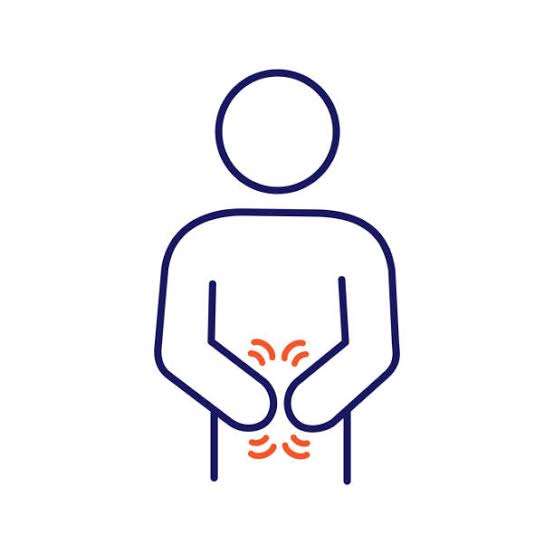
The gastrointestinal system plays a critical role in digestion and absorption. Disorders affecting this area can significantly impact quality of life; hence timely evaluation is imperative for effective management strategies.
- Symptoms: Common indicators include abdominal pain,bloating,constipation ,or diarrhea which necessitates further exploration into underlying causes .
- Diagnostic methods : Tests such as endoscopy,colonoscopy,and imaging may assist in identifying pathologies affecting gastrointestinal function .
- Management options: Treatment might encompass dietary modifications,supplements,and medication regimens depending upon specific diagnoses established by thorough evaluation processes .
Addressing gastrointestinal disorders efficiently allows individuals regain control over their digestive wellness ultimately leading more fulfilling lifestyles free from debilitating symptoms .
SKIN CONDITION ASSESSMENT

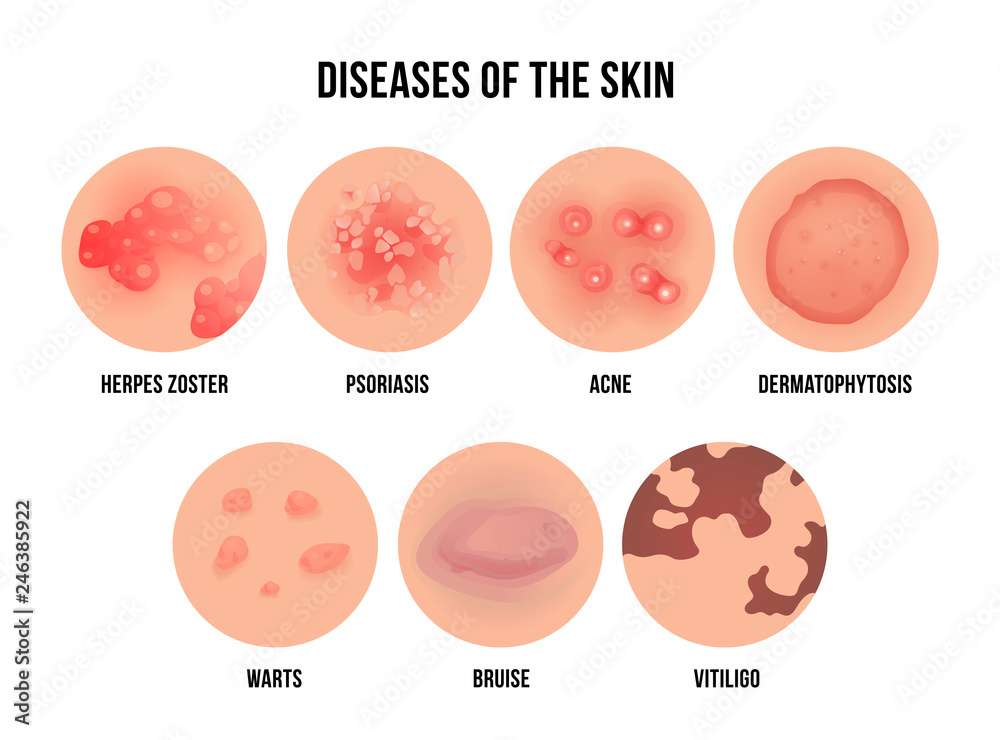
The skin serves as an important indicator of overall health. Various conditions may arise that require professional assessment for proper treatment options tailored specifically to each individual’s needs.
- Symptoms: Skin issues can manifest in various ways including rashes,persistent dryness ,itching ,or unusual growths .
- Diagnosis: Dermatological examinations often involve visuals inspections combined with histological testing if needed .
- Treatment approach: Depending on diagnosis ,interventions could range from topical creams ,oral medications ,to laser therapy targeting specific concerns .
- Follow-up care: It's crucial part of managing skin conditions effectively ; monitoring progress helps navigate between therapeutic adjustments when necessary .
Timely intervention leads patients towards clearer healthier skin outcomes providing both relief from discomfort along educational insight about sustaining good ongoing habits .
ANNUAL HEALTH CHECK-UPS
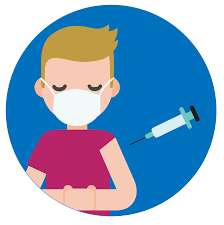
An annual health check-up is vital for maintaining overall wellness. These comprehensive evaluations help in early detection of potential health issues before they escalate into serious problems.
- Pillars of evaluation: Typically includes assessments like blood pressure checks, cholesterol level screenings, body mass index (BMI) calculations among others.
- Disease prevention: Regular check-ups can facilitate screenings for conditions such as diabetes or heart disease based on individual risk factors associated with age or family history.
- Treatment recommendations: Based on the findings during the evaluation visit; preventive measures may involve lifestyle counseling or vaccinations relevant to age groups or personal history.
An annual visit offers an excellent opportunity to discuss any health concerns with your physician proactively while ensuring you stay informed about maintaining optimal wellness throughout the year.
RESPIRATORY INFECTIONS CARE
Respiratory infections affect the airways and lungs; they can range from mild colds to more serious infections like pneumonia. Proper assessment and management are essential for recovery.
- Symptoms: Respiratory infections often present with cough, sore throat, difficulty breathing, fever, and fatigue.
- Diagnosis: Healthcare providers typically diagnose these infections based on symptom history and physical examinations; additional tests like chest X-rays may be necessary for severe cases.
- Treatment options: Management includes rest, hydration, pain relievers for symptoms relief; antibiotics may be prescribed if a bacterial infection is confirmed.
- What to expect: Follow-up is important; most patients see improvement within days but should monitor symptoms closely for any potential complications requiring further intervention.
Your healthcare provider can guide you on effective treatments tailored to your specific needs following an accurate diagnosis of your respiratory infection.
DIABETES SCREENING

Diabetes is a metabolic disorder characterized by high blood sugar levels over prolonged periods. Early detection through screening is crucial for effective management and prevention of complications.
- Causes: Factors contributing to diabetes include genetic predisposition, obesity, sedentary lifestyle, and poor dietary habits.
- Symptoms: Common signs include increased thirst, frequent urination, extreme fatigue, blurred vision, and slow-healing sores.
- Diagnosis: Blood tests such as fasting plasma glucose tests or A1C tests determine the presence of diabetes or pre-diabetes.
- Treatment and management: Lifestyle changes involving diet and exercise are fundamental. Some individuals may require insulin or other medications for management.
If you have risk factors for diabetes or experience symptoms suggestive of the condition, consider scheduling a screening to take proactive steps toward your health.
HYPERTENSION MANAGEMENT
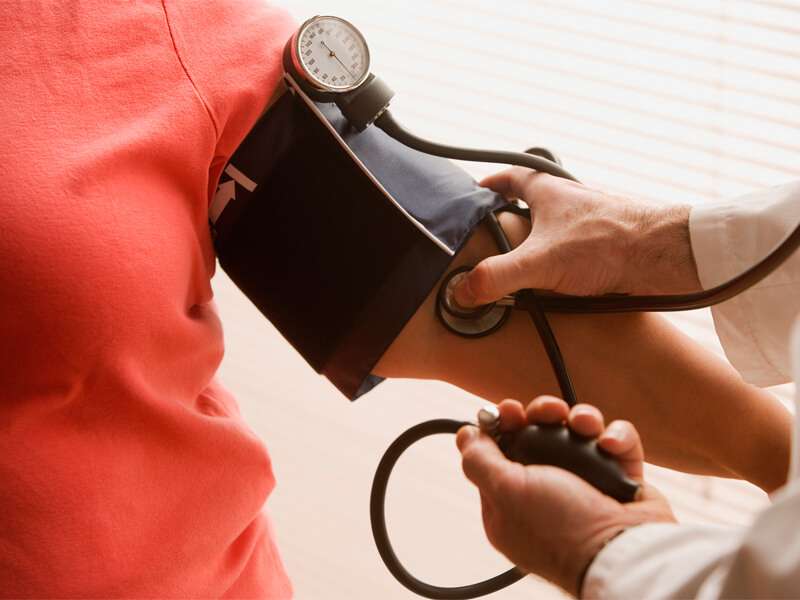
Hypertension, commonly known as high blood pressure, is a chronic condition that can lead to serious health complications if left untreated. It’s essential for individuals to manage their blood pressure levels effectively to maintain overall health.
- Symptoms: Often referred to as a silent killer, hypertension may not exhibit any obvious symptoms, but severe cases can lead to headaches, shortness of breath, or nosebleeds.
- Diagnosis: A healthcare provider will measure blood pressure using a sphygmomanometer and may conduct further tests to assess overall cardiovascular health.
- Treatment options: Management typically includes lifestyle changes such as diet modifications, increased physical activity, and medications when necessary. Common medications include diuretics and ACE inhibitors.
- What to expect: Regular monitoring and follow-up visits play a vital role in keeping hypertension under control, allowing adjustments in treatment plans as needed.
If you are diagnosed with hypertension, working closely with a healthcare provider can help you achieve healthier blood pressure levels and reduce your risk of complications.