
Dr Manu Rastogi
About Me
Dr Manu Rastogi
MBBS
General Physician
10 Years Experience
Biography
My Clinic
OPD Hours
| Monday | Morning | 10:00 AM | - | 02:00 PM |
| Evening | 06:00 PM | - | 09:00 PM | |
| Tuesday | Morning | 10:00 AM | - | 02:00 PM |
| Evening | 06:00 PM | - | 09:00 PM | |
| Wednesday | Morning | 10:00 AM | - | 02:00 PM |
| Evening | 06:00 PM | - | 09:00 PM | |
| Thursday | Morning | 10:00 AM | - | 02:00 PM |
| Evening | 06:00 PM | - | 09:00 PM | |
| Friday | Morning | 10:00 AM | - | 02:00 PM |
| Evening | 06:00 PM | - | 09:00 PM | |
| Saturday | Morning | 10:00 AM | - | 02:00 PM |
| Evening | 06:00 PM | - | 09:00 PM | |
| Sunday | Morning | 10:00 AM | - | 02:00 PM |
| Evening | 06:00 PM | - | 09:00 PM |
Treatments
Specialised care and treatments offered
LIPID PROFILE ASSESSMENT
A lipid profile measures cholesterol components in the blood to evaluate cardiovascular disease risk. Understanding these values informs preventive strategies effectively.
- Risk Factors & Significance : Elevated LDL (bad cholesterol) and triglycerides increase heart attack risk while HDL (good cholesterol) protects against plaque buildup .
- Testing Procedure : A fasting blood sample is analyzed for total cholesterol , LDL , HDL , triglycerides providing a detailed lipid picture .
- Intervention Plans : Lifestyle modifications including diet low in saturated fats , regular exercise alongside medication if needed help manage abnormal lipid levels .
- Follow-up Importance : Periodic lipid monitoring gauges response aiding timely adjustments ensuring optimal cardiovascular protection .
Proactive lipid profile assessments serve as preventive steps towards maintaining heart health long term .
ANEMIA WORKUP

Anemia results from inadequate healthy red blood cells leading to reduced oxygen transport. Identifying the underlying cause is crucial for proper treatment selection.
- Syndrome Indicators: Fatigue, pallor, shortness of breath upon exertion commonly raise suspicion of anemia presence.
- Differential Testing:: Complete blood counts with indices pinpoint anemia type; additional iron studies or vitamin B12 levels clarify etiology further. Treatment Modalities: Addressing nutritional deficiencies via supplements or treating chronic diseases precipitating anemia are central approaches here.
Lifestyle Counseling: Dietary advice enhance absorption of key nutrients supporting red cell regeneration.
Accurate anemia evaluation enables tailored management improving energy levels and overall vitality promptly .
RESPIRATORY INFECTION DIAGNOSIS

Lung infections can vary from mild bronchitis to severe pneumonia impacting breathing and general wellbeing. Prompt diagnosis guides successful treatment plans.
- Causative Factors & Symptoms: Viral or bacterial origin presenting with cough, fever, chest discomfort, shortness of breath among others.
- Evidential Confirmation: Clinical examination supported by chest X-rays and sputum analysis help determine infection nature and severity.
- Therapeutic Strategies: Depending on cause; antibiotics for bacteria or supportive care for viral infections are prescribed accordingly.
- Pursuing Recovery: Ensuring rest, hydration along with medical adherence supports quick restoration of lung function.
An accurate diagnosis enhances recovery chances while preventing avoidable complications in respiratory illnesses.
THYROID FUNCTION EVALUATION
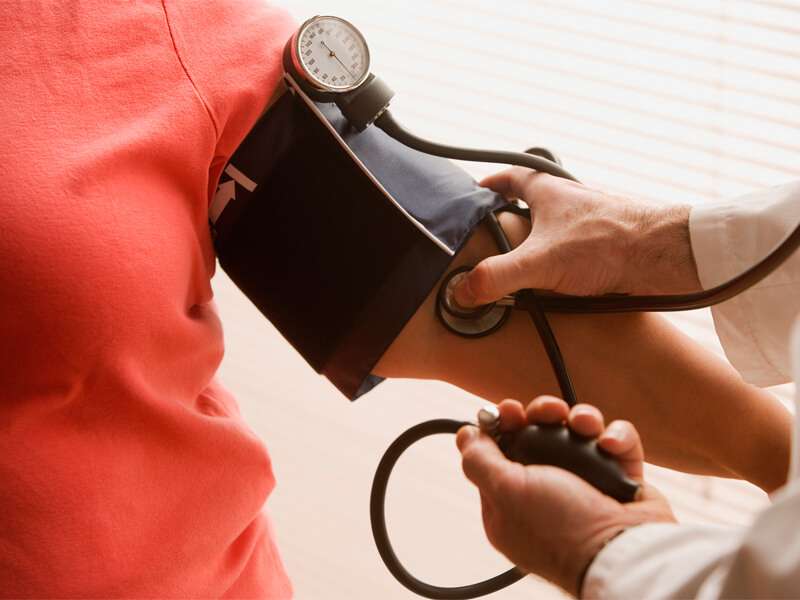
The thyroid gland plays a pivotal role in metabolism regulation through hormone secretion. Dysfunction can lead to various systemic symptoms requiring evaluation.
- Signs and Symptoms: Can range from weight changes, fatigue, mood alterations to neck swelling depending on hypo- or hyperthyroidism.
- Assessment Methods: Blood tests measuring TSH, free T3, free T4 quantify thyroid hormone status for diagnosis.
- Treatments Available: Hypothyroidism typically treated with hormone replacement; hyperthyroidism managed with medication or other targeted therapies.
- Lifelong Monitoring: Periodic testing ensures therapeutic dosages remain appropriate for symptom control.
Tackling thyroid disorders early improves metabolism balance and overall health outcomes effectively.
DIABETES SCREENING AND CONTROL

Diabetes mellitus is a metabolic disorder characterized by high blood sugar levels due to insulin issues. Early detection is critical for preventing complications.
- Symptoms and Causes: May include increased thirst, frequent urination, fatigue; caused by either insufficient insulin production or resistance.
- Diagnostic Tests: Fasting blood glucose tests, HbA1c levels provide insights into average blood sugar control over months.
- Treatment Approaches: Involves lifestyle management including diet and exercise; medications like oral hypoglycemics or insulin injections when required.
- Ongoing Care: Regular monitoring to prevent complications like neuropathy or cardiovascular disease is vital.
A well-managed approach helps maintain quality of life and minimizes long-term health issues from diabetes.
HYPERTENSION MANAGEMENT
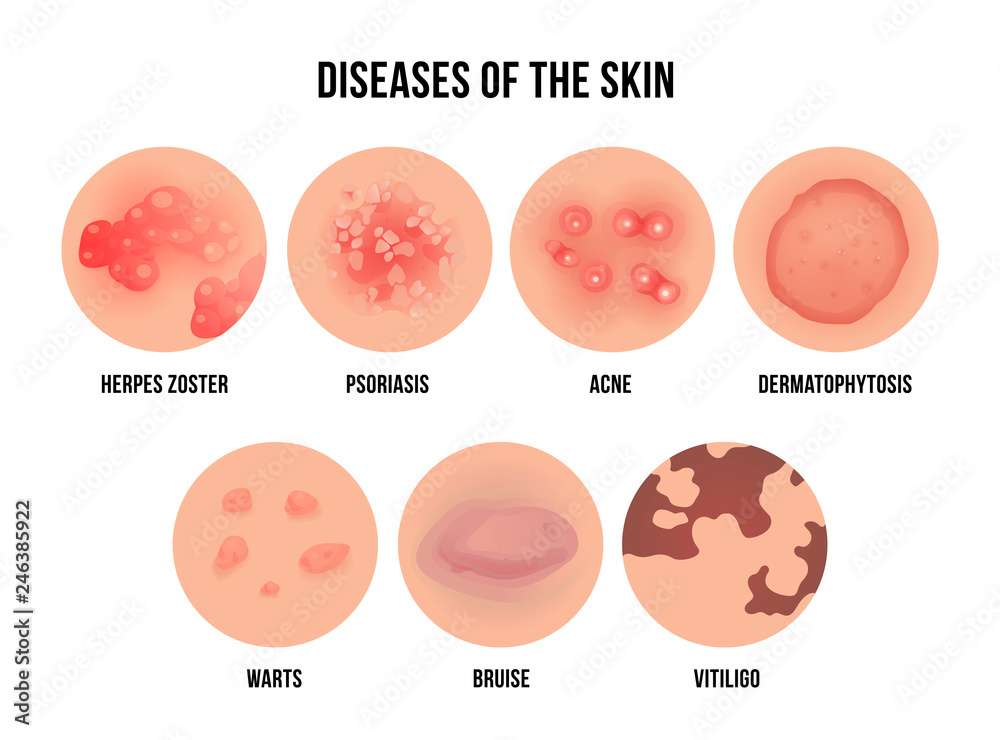
High blood pressure, or hypertension, is a common condition where the force of blood against artery walls remains elevated, increasing health risks.
- Symptoms and Causes: Often called a silent condition as it may not show symptoms; risk factors include genetics, diet high in salt, obesity, and stress.
- Diagnosis: Includes multiple blood pressure readings over time using a sphygmomanometer to confirm persistent elevation.
- Treatment Options: Lifestyle changes such as dietary modifications and exercise combined with antihypertensive medications when necessary.
- Monitoring: Regular follow-ups are essential to assess control and adjust therapy as needed.
Effectively managing hypertension reduces the risk of heart disease and stroke, promoting long-term wellness.