
DR Manu Kapoor
About Me
DR Manu Kapoor
MS
Orthopaedic Surgeons
10 Years Experience
Biography
My Clinic
OPD Hours
| Monday | Morning | 10:00 AM | - | 02:00 PM |
| Evening | 06:00 PM | - | 09:00 PM | |
| Tuesday | Morning | 10:00 AM | - | 02:00 PM |
| Evening | 06:00 PM | - | 09:00 PM | |
| Wednesday | Morning | 10:00 AM | - | 02:00 PM |
| Evening | 06:00 PM | - | 09:00 PM | |
| Thursday | Morning | 10:00 AM | - | 02:00 PM |
| Evening | 06:00 PM | - | 09:00 PM | |
| Friday | Morning | 10:00 AM | - | 02:00 PM |
| Evening | 06:00 PM | - | 09:00 PM | |
| Saturday | Morning | 10:00 AM | - | 02:00 PM |
| Evening | 06:00 PM | - | 09:00 PM | |
| Sunday | Morning | 10:00 AM | - | 02:00 PM |
| Evening | 06:00 PM | - | 09:00 PM |
Treatments
Specialised care and treatments offered
JOINT INJECTION THERAPY
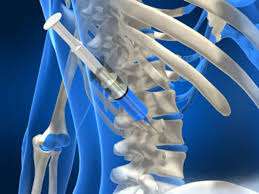
This non-surgical procedure aims at alleviating pain primarily associated with arthritis directly into afflicted joints progressing chronic issues prolific reaching wider populations experiencing life-changing discomfort regularly!
- Symptoms : Individuals facing persistent joint pains accompanied additionally by stiffness noticing diminishing range of motions reflecting adversely onto daily routines impeding even simplest tasks significantly requiring alternative management approaches explored immediately available clinically.
- Diagnosis : Physicians assess symptomatic presentations leading toward considering injections through detailed consultations evaluating exact areas targeted most effectively minimizing unnecessary efforts potentially expended elsewhere instead honing precision reducing wasted resources actively directed solely towards achievable advancements identified jointly beforehand!
- Treatment Options : Pain relief often achieved continuing routine physiotherapy combined sometimes corticosteroid injections improving overall conditions dramatically aiding recovery trajectories comfortably easing workload nonetheless aptly acknowledged shifting attention back toward building strength healthier foundations reconstructed meticulously overtime together progressively nurturing fully restored functionalities rehabilitating naturally becoming sustainable reality envisioned collectively henceforth onward journeys explored confidently safely!
- What To Expect : Patients should remain under observation post-treatments monitoring effects carefully adjusting medications tailored according recommendations expressed clearly; ensuring maintaining openness discussing any concerns raised aligning preferences involved proactively collaborating moving forward enhancing trust deeply fostering connections forged believed pathway reignited regularly replenishing selves enriching interactions flourishing harmoniously enjoyed vividly endured happily continuously reflected upon warmly reciprocated promoting shared happiness mutual discovery firmly established rediscovered blissfully traversed anew enhancing self-awareness enlightenment igniting passions never ceased remarkable experiences lived vibrantly celebrated faithfully rightfully deserved always promising hope endless possibilities waiting embraced whole-heartedly onward journeys yet begun unraveling beautifully crafted narratives inevitably unfolding naturally expressed authentically shared transparently inspiring countless others witnessed firsthand thereby!
LIGAMENT RECONSTRUCTION
Ligament tears commonly occur during sports activities leading to knee instability among other issues. Timely diagnosis plays a crucial role in managing these serious injuries effectively before further complications arise!
- Symptoms : Patients often experience unbearable pain at points restricting movement severely alongside swelling indicating potential ligament tear stress levels needing attention right away!
- Diagnosis : Specific tests conducted by healthcare providers using physical assessments supported usually through advanced imaging techniques like MRI scans assist them accurately identifying torn ligaments' structure enabling appropriate therapeutic planning thereafter!
- Treatment Options : Depending on injury severity options could include traditional rehabilitation measures first prior evaluating surgical reconstruction methods recommended specifically tailoring based upon each patient’s unique response desired outcomes assessed individually following discussion extensively prior journey begins ahead together collaboratively safely!
- What To Expect : Post operative care becomes imperative ensuring patients adhere strictly along prescribed regimes designed promote quick healing returning maximal performance & sustaining optimal wellbeing level later down course journey undertaken steadily revealed throughout regularly monitored sessions within structured timelines agreed mutually establishing milestones achieved progressively moving forward positively!
Seeking help swiftly enhances prospects towards recovery faster while reinforcing overall stability encouraging active lifestyles again soon thereafter achieving goals desired genuinely encouraging overall journey ahead successfully recovered entirely!
CARTILAGE REPAIR

Injuries or degeneration of cartilage can lead to joint pain and impaired mobility. Such conditions often arise from wear-and-tear over time or acute injuries impacting athletes more frequently than others.
- Symptoms: Individuals may report joint pain that worsens with activity, swelling around joints, stiffness after rest periods, and reduced flexibility overall.
- Diagnosis: Diagnosis involves clinical evaluations plus imaging tests like MRIs which help visualize cartilage integrity before planning treatment options accordingly.
- Treatment Options: Treatments range from conservative approaches such as physical therapy to surgical interventions like arthroscopy where damaged cartilage is cleaned up or repaired based on situation specifics.
- What to Expect: Following treatment protocols diligently enhances recovery chances; therapy programs help regain normal function gradually post-intervention while minimizing risks associated with complications down the road too!
Caring for your cartilage optimally ensures lasting health benefits throughout your joints long-term!
DISLOCATION TREATMENT

A dislocation occurs when bones slip out of their normal position at a joint, commonly affecting shoulders and fingers. This can result from accidents or high-stress activities requiring immediate care.
- Symptoms: Signs include visible deformity at the joint site, severe pain, swelling, and inability to move the affected limb properly.
- Diagnosis: Diagnosis involves a physical examination accompanied by imaging techniques like X-rays which help confirm dislocation severity.
- Treatment Options: The primary management step is usually reduction (realigning bones), followed by immobilization with braces or splints. Rehabilitation is critical in restoring full range of motion once stabilization occurs.
- What to Expect: Recovery may vary depending on the severity; regular follow-ups are important as complications like recurrent dislocations can occur if improperly managed.
This condition underscores the importance of seeking professional medical assistance promptly after an injury occurs.
TENDON REPAIR

Tendon injuries often occur in athletes or active individuals due to overuse or acute trauma. These injuries can significantly impact movement and functionality if not addressed timely.
- Symptoms: Patients may experience pain during movement, stiffness, weakness in the affected area, and swelling.
- Diagnosis: Medical evaluations typically include physical assessments along with imaging studies such as ultrasounds or MRIs to determine the extent of tendon damage.
- Treatment Options: Non-surgical methods like rest and physiotherapy are common initially; however, surgical intervention may be necessary for severe tears to restore function.
- What to Expect: Post-surgery rehabilitation often includes physical therapy tailored to regain strength and enhance mobility gradually.
A comprehensive approach is vital for successful tendon repair rehabilitation post-injury.
FRACTURE MANAGEMENT

A fracture refers to a break in a bone, which can occur due to trauma, falls, or high-impact sports. The severity of fractures can vary greatly and requires prompt assessment for proper healing.
- Symptoms: Common signs include intense pain, swelling, bruising, and deformity in the affected area.
- Diagnosis: Medical professionals typically utilize physical examinations and imaging tests such as X-rays or MRIs to confirm the presence and type of fracture.
- Treatment Options: Management may involve immobilization with a cast, splinting, physical therapy, or surgery in cases of severe fractures requiring realignment.
- What to Expect: Recovery time can vary; follow-up appointments are essential to monitor healing progress and to assess functional restoration.
Early intervention is crucial for optimal recovery from fractures, ensuring the best outcomes for mobility and strength.