
DR Manoj Verma
About Me
DR Manoj Verma
MBBS
Dietitian
10 Years Experience
Biography
My Clinic
OPD Hours
| Monday | Morning | 10:00 AM | - | 02:00 PM |
| Evening | 06:00 PM | - | 09:00 PM | |
| Tuesday | Morning | 10:00 AM | - | 02:00 PM |
| Evening | 06:00 PM | - | 09:00 PM | |
| Wednesday | Morning | 10:00 AM | - | 02:00 PM |
| Evening | 06:00 PM | - | 09:00 PM | |
| Thursday | Morning | 10:00 AM | - | 02:00 PM |
| Evening | 06:00 PM | - | 09:00 PM | |
| Friday | Morning | 10:00 AM | - | 02:00 PM |
| Evening | 06:00 PM | - | 09:00 PM | |
| Saturday | Morning | 10:00 AM | - | 02:00 PM |
| Evening | 06:00 PM | - | 09:00 PM | |
| Sunday | Morning | 10:00 AM | - | 02:00 PM |
| Evening | 06:00 PM | - | 09:00 PM |
Treatments
Specialised care and treatments offered
SPORTS NUTRITION PLANNING FOR ENHANCED ATHLETIC PERFORMANCE

Athletes have unique dietary needs requiring precise nutrient timing and composition adjustments. Sports nutrition planning aims at optimizing energy availability, recovery rates, and overall performance safely through diet manipulation strategies tailored per sport type and training intensity levels.
- Symptoms/Causes: Inadequate fueling can cause fatigue decreased endurance unbalanced electrolytes affecting athletic output.
- Diagnosis: Assessing body composition hydration status nutrient deficiencies aids designing effective meal/snack schedules.
- Treatment/Management: Plans focus on carbohydrate loading before events protein intake for muscle repair plus hydration-electrolyte maintenance during exertion.
- What To Expect: Following precise regimens facilitates quicker recovery less injury risk enhanced strength stamina throughout competition phases.
Expert sports-focused nutritional counseling enables athletes across disciplines to achieve peak physical condition responsibly.
NUTRITION THERAPY FOR GASTROINTESTINAL DISORDERS

The complex nature of gastrointestinal (GI) diseases demands precise nutritional therapy aimed at symptom relief and mucosal healing. Dietary modifications are tailored according to specific GI conditions like IBS or Crohn's disease.
- Symptoms/causes:Sufferers may experience abdominal pain, bloating, diarrhea or constipation driven by inflammation or altered gut flora balance.
- Diagnosis:The workup includes endoscopy, imaging studies alongside food diary evaluations identifying trigger foods.
- Treatment/management:Nutritional approaches commonly focus on low FODMAP diets, exclusion protocols or supplementation addressing deficiencies such as iron or vitamin B12 deficiency in inflammatory states;
WEIGHT MANAGEMENT PROGRAMS WITH BARIATRIC NUTRITION
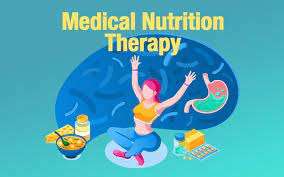
Losing weight safely sometimes necessitates specialized nutritional guidance combined with medical or surgical interventions. Bariatric nutrition addresses these needs through customized plans supporting metabolic health during weight reduction efforts.
- Symptoms/causes: Obesity can cause joint pain, hypertension, sleep apnea linked to excess caloric intake versus expenditure.
- Diagnosis: Body mass index (BMI) evaluation along with metabolic panels inform treatment considerations.
- Treatment/management: Nutritional strategies include calorie restriction with balanced macro- and micronutrients post-bariatric surgery or lifestyle changes alone for gradual weight loss.
- What to expect: Properly managed programs enhance fat loss while preserving muscle mass; long-term compliance improves cardiovascular risk markers significantly.
Bariatric nutrition forms an integral component of sustainable weight management plans designed for improved overall well-being in overweight individuals.
ENTERAL NUTRITION FOR MALNOURISHED PATIENTS
In cases where oral feeding is inadequate or impossible, enteral nutrition provides essential nutrients via feeding tubes directly into the gastrointestinal tract. This intervention supports patients at risk of malnutrition due to various conditions.
- Symptoms/causes: Malnutrition may result from illness-related anorexia, neurological disorders, or swallowing difficulties.
- Diagnosis: Assessment involves nutritional screening tools and evaluation of intake versus needs.
- Treatment/management: Enteral feeding formulas are selected based on individual calorie requirements and digestive tolerance.
- What to expect: This method helps restore nutritional status gradually while maintaining gut integrity; close supervision prevents complications such as aspiration or tube blockage.
This targeted nutritional support ensures that vulnerable patients receive appropriate nourishment when conventional eating is compromised.
NUTRITIONAL SUPPORT IN CHRONIC KIDNEY DISEASE
Chronic kidney disease (CKD) affects nutrient metabolism, necessitating careful dietary adjustments to slow progression and mitigate symptoms. Nutritional support is fundamental in managing CKD stages.
- Symptoms/causes: CKD often leads to fatigue, swelling, and altered electrolyte balance caused by impaired kidney function.
- Diagnosis: Blood creatinine, glomerular filtration rate (GFR), and urine analysis help stage the disease severity.
- Treatment/management: Diet focuses on limiting protein intake, controlling sodium, potassium, and phosphorus levels while ensuring adequate calories.
- What to expect: Tailored diet plans can reduce toxin buildup and alleviate symptoms; ongoing monitoring is essential for adjustment as disease advances.
A thoughtful nutritional regimen significantly contributes to preserving kidney function alongside medical therapies in CKD patients.
MEDICAL NUTRITION THERAPY FOR DIABETES
Managing diabetes effectively requires a comprehensive approach, with nutrition playing a crucial role. Medical nutrition therapy (MNT) is a specialized dietary plan tailored to control blood sugar levels and prevent complications.
- Symptoms and causes: Uncontrolled blood glucose can lead to fatigue, frequent urination, and increased thirst due to insulin imbalance.
- Diagnosis: Diagnosis typically involves blood tests such as fasting glucose and HbA1c levels.
- Treatment/management: MNT includes individualized meal planning focusing on carbohydrate counting, balanced macronutrient intake, and portion control.
- What to expect: With consistent adherence, patients often see improved glycemic control and reduced risk of long-term complications like neuropathy or retinopathy.
Adopting a personalized nutrition strategy empowers people with diabetes to maintain better health and enhance their quality of life through informed dietary choices.