
Dr Manoj Chaturvedi
About Me
Dr Manoj Chaturvedi
MS
Cardiothorocic Surgeon
10 Years Experience
Biography
My Clinic
OPD Hours
| Monday | Morning | 10:00 AM | - | 02:00 PM |
| Evening | 06:00 PM | - | 09:00 PM | |
| Tuesday | Morning | 10:00 AM | - | 02:00 PM |
| Evening | 06:00 PM | - | 09:00 PM | |
| Wednesday | Morning | 10:00 AM | - | 02:00 PM |
| Evening | 06:00 PM | - | 09:00 PM | |
| Thursday | Morning | 10:00 AM | - | 02:00 PM |
| Evening | 06:00 PM | - | 09:00 PM | |
| Friday | Morning | 10:00 AM | - | 02:00 PM |
| Evening | 06:00 PM | - | 09:00 PM | |
| Saturday | Morning | 10:00 AM | - | 02:00 PM |
| Evening | 06:00 PM | - | 09:00 PM | |
| Sunday | Morning | 10:00 AM | - | 02:00 PM |
| Evening | 06:00 PM | - | 09:00 PM |
Treatments
Specialised care and treatments offered
VALVE REPAIR SURGERY
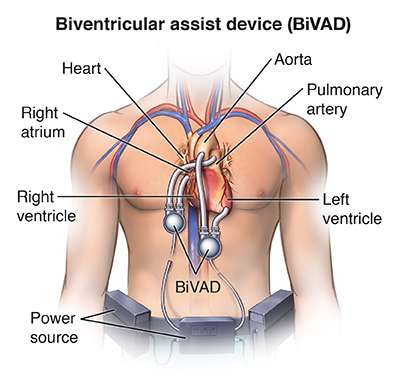
This procedure focuses on correcting damaged heart valves rather than complete replacement when feasible. Valve repair can be especially beneficial in cases such as mitral valve prolapse where minimal disruption occurs during surgery.
- Symptoms : Patients may report symptoms like fatigue during exertion alongside abnormal heartbeat sensations .
- Diagnostic Tools : Echocardiography stands out as an essential tool both prior-to-surgery evaluation along with intraoperative assessment accomplishments .
- Surgical Recommendations : Options range from annuloplasty rings adjusting edges supporting native structure towards resectioning excessive flaps creating optimal functioning environment .
Your surgical team aims at ensuring maximal sustainable improvement aiding long-term health advancements through tailored solutions catered specifically per patient circumstances .
MINIMALLY INVASIVE CARDIAC SURGERY
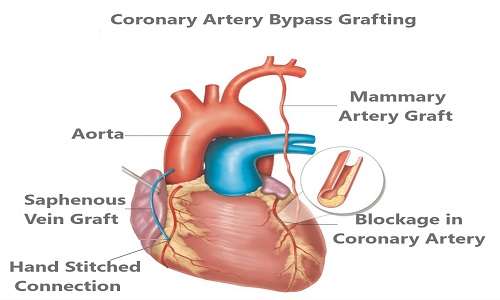
This advanced technique reduces recovery time by utilizing smaller incisions compared to traditional surgeries. Minimally invasive cardiac procedures are becoming increasingly common across various types of cardiac interventions.
- Benefits: Decreased pain levels during recovery due to smaller cuts compared with standard operations .
- Procedure Types: Can involve valve repairs / replacements , septal defect closures , etc .
- Preparation: Similar preparatory steps as open-heart surgery but often shorter recovery duration post-procedure .
The innovation behind minimally invasive approaches allows better outcomes while minimizing risks associated with more extensive surgeries .
PULMONARY LOBECTOMY
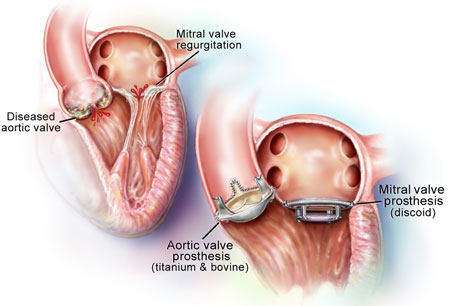
A pulmonary lobectomy involves removing one lobe of the lung and is primarily indicated in cases of lung cancer or significant lung infections where preservation is impossible.
- Common Signs: Persistent cough, unintended weight loss, and difficulty breathing may indicate conditions requiring lobectomy consideration.
- Diagnostic Methods: Chest X-rays and CT scans provide critical information leading up to surgery decision-making regarding nodules or masses found in lung tissue.
This surgery plays an important role in managing localized pulmonary diseases effectively while striving for maximum lung function preservation thereafter.
THORACOTOMY
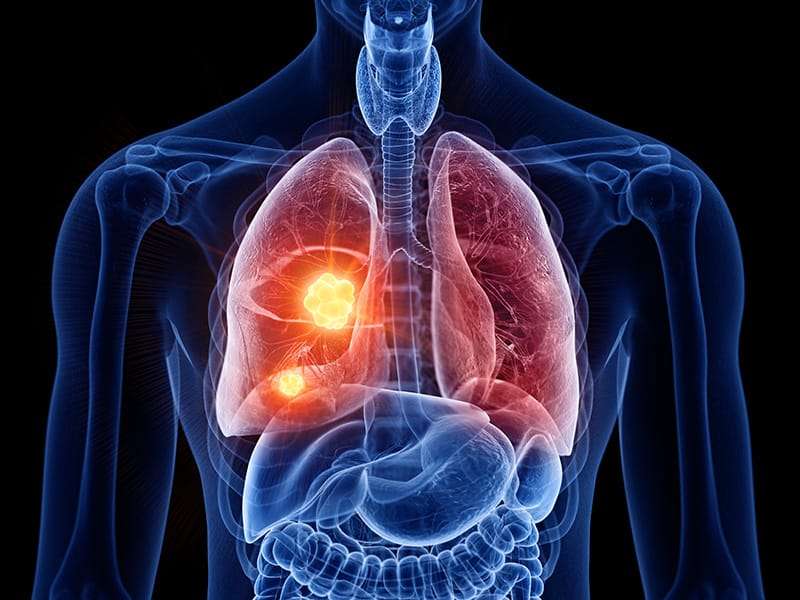
A thoracotomy is a surgical incision into the chest wall used to access organs within the thoracic cavity. It’s often performed in emergencies when immediate intervention is required.
- Indications: Conditions necessitating this procedure include lung tumors, infections like empyema, or trauma resulting from accidents.
- Diagnostic Use: This approach allows for biopsies and other diagnostic measures that need direct visualization within the chest cavity.
- Surgical Technique: Surgeons make an incision on one side of the chest which permits access to vital structures like lungs or heart for appropriate treatment interventions.
This surgical procedure can be life-saving and leads to more effective management of critical health conditions affecting the thorax.
AORTIC VALVE REPLACEMENT
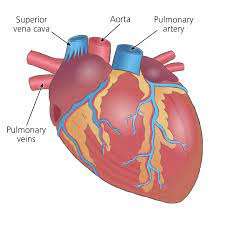
Aortic valve replacement is crucial for patients with severe aortic stenosis or regurgitation. This condition impairs the heart's ability to pump effectively.
- Symptoms: Patients may experience shortness of breath, dizziness, or heart palpitations as the valve fails to open or close properly.
- Diagnosis: Echocardiogram is commonly used for diagnosing aortic valve issues along with physical examinations and imaging tests.
- Surgical Interventions: The procedure can be performed via traditional open-heart surgery or minimally invasive techniques using balloon valvuloplasty in certain cases.
- Recovery Process: After the procedure, patients typically stay in the hospital for several days before transitioning to gradual recovery at home with follow-up appointments scheduled.
This intervention can significantly enhance cardiac function and help alleviate symptoms associated with valve dysfunction.
CORONARY ARTERY BYPASS GRAFTING (CABG)
Coronary artery bypass grafting is a surgical procedure aimed at improving blood flow to the heart. This is often necessary in patients suffering from severe coronary artery disease.
- Symptoms: Common signs include chest pain, shortness of breath, and fatigue during physical activity.
- Diagnosis: Doctors typically use a range of tests, including angiograms and stress tests, to assess the severity of arterial blockages.
- Treatment Options: CABG involves taking a healthy blood vessel from another part of the body and connecting it to bypass the blocked arteries.
- Post-Operative Care: Patients will require monitoring in the hospital for several days, followed by a structured rehabilitation program to promote recovery.
- Long-Term Management: Lifestyle changes such as diet, exercise, and medication adherence are essential for preventing further heart complications.
The goal of CABG is to relieve symptoms and improve overall heart function, enhancing quality of life for those affected.