
Dr Manish Srivas
About Me
Dr Manish Srivas
MBBS
Dermatologist
10 Years Experience
Biography
My Clinic
OPD Hours
| Monday | Morning | 10:00 AM | - | 02:00 PM |
| Evening | 06:00 PM | - | 09:00 PM | |
| Tuesday | Morning | 10:00 AM | - | 02:00 PM |
| Evening | 06:00 PM | - | 09:00 PM | |
| Wednesday | Morning | 10:00 AM | - | 02:00 PM |
| Evening | 06:00 PM | - | 09:00 PM | |
| Thursday | Morning | 10:00 AM | - | 02:00 PM |
| Evening | 06:00 PM | - | 09:00 PM | |
| Friday | Morning | 10:00 AM | - | 02:00 PM |
| Evening | 06:00 PM | - | 09:00 PM | |
| Saturday | Morning | 10:00 AM | - | 02:00 PM |
| Evening | 06:00 PM | - | 09:00 PM | |
| Sunday | Morning | 10:00 AM | - | 02:00 PM |
| Evening | 06:00 PM | - | 09:00 PM |
Treatments
Specialised care and treatments offered
MELASMA
Melasma is a benign acquired hyperpigmentation disorder characterized by brownish patches predominantly appearing on sun-exposed areas such as cheeks, forehead, upper lip, and chin. It affects more women than men especially during hormonal changes like pregnancy or oral contraceptive use known as 'mask of pregnancy.'
- The main features include symmetrical hyperpigmented macules without scaling but may cause cosmetic distress due to irregular pigmentation patterns visible under natural light conditions commonly exacerbated after UV exposure stimulating melanin synthesis excessively via melanocyte activation mechanisms triggered additionally by genetics endocrine influences ultraviolet rays among others increasing prevalence substantially especially in warmer climates worldwide prevalence varies but generally regarded one frequent pigmentary disorder encountered routinely in dermatology clinics worldwide affecting millions globally primarily adult female populations notably those exposed intensively outdoor solar radiation particular ethnic groups exhibiting Fitzpatrick phototypes III–V prevalence peak reproductive age range highest incidence documented particularly South Asian Hispanic Middle Eastern Latin American populations reflecting interplay environment genetics hormonal milieu parameters contributing complex pathogenic mechanisms driving melanin hyperproduction localized epidermal dermal compartments variable degrees dispersion melanosomes throughout prickle layer basal layer frequently enlarged melanocytes activated frequently keratinocytes influencing distribution depth coloration shades visible clinically enhancing diagnosis chiefly visual inspection complemented occasionally Wood’s lamp examination dermatoscopy facilitating assessment extent depth involved pigmentation assisting classification epidermal dermal mixed type crucial guiding therapeutic approaches choice selecting regimen accordingly optimizing outcomes safe tolerable predictable minimizing recurrence risks possible complications dermatologists recommend comprehensive sun protection measures broad-spectrum sunscreens hats avoidance intense sunlight peak hours advised adjunctive treatments topical depigmenting agents hydroquinone azelaic acid kojic acid retinoids chemical peels procedural options laser therapies considered resistant refractory cases multidisciplinary individualized patient centric interventions emphasizing patience adherence routine follow up optimizing efficacy cosmetic satisfaction reassurance mitigating psychosocial impacts covering stigma anxiety self-image disturbances significantly stressful challenging coping chronic visible disfiguring facial lesion disorders requiring skilled experienced specialized dermatological care conducive restoring confident self esteem social interactions enhancing overall wellbeing considerably reducing emotional burden associated persistent pigmentary dyschromias effectively managed otherwise controlled currently available regimens long term observed reasonably favorable safety effectiveness profiles achieving partial complete clearance depending responsiveness compliance highlighting importance seeking expert dermatologist consultation timely manner early stages treatment initiation best prognostic indicators subsequently favorable resolutions potentially permanent although relapse tendencies documented frequently necessitating periodic reassessments adjustments maintaining vigilance unavoidable considering multifactorial complex pathogenesis recurrence prevention long term control paramount holistic integrated comprehensive personalized evidence based approaches tailored individual nuanced needs circumstances guaranteeing optimal results sustained improvements satisfactory satisfactory enhanced quality life integrated multidisciplinary psychosocial supports complimenting pharmacological non pharmacological interventions.
SEBORRHEIC DERMATITIS
Seborrheic dermatitis is a common inflammatory condition affecting sebaceous gland-rich areas such as the scalp (dandruff), face sides (nasolabial folds), eyebrows, and torso. It presents as red patches covered by greasy scales causing discomfort and cosmetic concerns.
- The condition’s exact mechanism involves an abnormal immune response to Malassezia yeast present on the skin combined with increased sebum production triggering inflammation marked by itching and redness.
- A clinical diagnosis hinges upon characteristic distribution patterns and appearance; microscopic examinations are rarely necessary except in atypical cases.
- Mild forms respond well to antifungal agents like ketoconazole shampoos or creams coupled with low-potency corticosteroids during flare-ups providing symptom relief efficiently within weeks of treatment initiation.
- Lifestyle advice includes gentle cleansing procedures avoiding harsh soaps which might aggravate symptoms further alongside regular use of medicated shampoos for maintenance therapy reducing recurrence risk significantly over time compared to no intervention at all typical course involves cycles of remission punctuated by relapses necessitating continued vigilance from affected individuals supported by clinicians’ guidance tailored per severity profiles ensuring effective disease control long term management remains important given its chronic relapsing nature often requiring repeated treatments interspersed by symptom-free periods throughout patients’ lives
VITILIGO
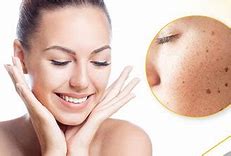
Vitiligo is an acquired pigmentary disorder characterized by loss of melanocytes resulting in white depigmented patches on various parts of the body. The disease can progress unpredictably over time.
- Patches typically appear symmetrically with smooth borders; common sites include hands, face, neck, and around body openings.
- The cause is believed to be autoimmune destruction of melanocytes influenced by genetic factors or environmental triggers such as sunburn or trauma (Koebner phenomenon).
- A thorough clinical evaluation along with Wood’s lamp examination assists diagnosis while ruling out other hypopigmentary disorders.
- Treatment aims at halting progression through topical steroids or immunomodulators; phototherapy such as narrowband UVB stimulates repigmentation efforts evaluated periodically over months.
- Surgical options exist for stable localized vitiligo including grafting techniques when medical therapy fails or achieves limited results.
Coping strategies including cosmetic camouflage are valuable adjuncts offering improved quality of life alongside medical management plans customized per patient response patterns.
ATOPIC DERMATITIS
This chronic inflammatory skin disease manifests primarily as dry, itchy patches often seen in children but also adults. Atopic dermatitis involves a disrupted skin barrier making it prone to irritation and allergies.
- The hallmark symptoms include intense itching accompanied by redness, scaling, swelling, and sometimes oozing lesions.
- The exact cause is unknown but involves genetic predisposition combined with environmental factors leading to immune dysregulation.
- A clinical history coupled with examination suffices for diagnosis; allergy testing may be used for identifying triggers.
- Treatment focuses on repairing the skin barrier through moisturizers alongside topical corticosteroids or calcineurin inhibitors for flare control; antihistamines may help relieve itching.
- Avoiding known irritants such as harsh soaps or allergens is critical in long-term management along with patient education about proper skincare techniques.
This condition has recurrent episodes requiring ongoing care but symptoms often improve with consistent treatment strategies tailored individually.
ACNE VULGARIS
Acne vulgaris is a common inflammatory skin condition primarily affecting adolescents but persisting into adulthood for some. It arises due to blockage of hair follicles by excess oil and dead skin cells.
- The typical symptoms include blackheads, whiteheads, papules, pustules, nodules, and sometimes cysts predominately on the face, chest, and back.
- The causes are multifactorial including hormonal changes, increased sebum production, bacterial colonization (Cutibacterium acnes), and inflammation.
- A diagnosis is clinical based on the visual appearance of lesions; severity grading helps guide treatment plans.
- Treatment ranges from topical agents such as retinoids and benzoyl peroxide to oral antibiotics or hormonal therapies in persistent or severe cases.
- Expect gradual improvement over weeks to months with adherence to prescribed therapy combined with skincare routines tailored for oily/acne-prone skin types.
Early intervention can minimize scarring risks while improving both physical symptoms and psychological well-being.
PSORIASIS
Psoriasis is a chronic autoimmune skin disorder that leads to rapid skin cell growth, forming thick, scaly patches on the skin's surface. It most commonly affects areas like the scalp, elbows, and knees but can appear anywhere on the body.
- Symptoms include red plaques covered with silvery scales, itching, and sometimes pain or cracking of the skin.
- Causes involve immune system dysfunction where T-cells mistakenly attack healthy skin cells.
- Diagnosis usually entails a physical examination and sometimes a skin biopsy to rule out similar conditions.
- Treatment options focus on controlling symptoms and preventing flare-ups using topical corticosteroids, vitamin D analogs, phototherapy, and systemic medications for severe cases.
- Long-term management requires regular monitoring and lifestyle modifications such as moisturizing and avoiding triggers like stress or infections.
The condition can vary in severity but with appropriate care, individuals can manage symptoms effectively and maintain quality of life.