
Dr Manish Kumar C
About Me
Dr Manish Kumar C
MBBS
General Physician
10 Years Experience
Biography
My Clinic
OPD Hours
| Monday | Morning | 10:00 AM | - | 02:00 PM |
| Evening | 06:00 PM | - | 09:00 PM | |
| Tuesday | Morning | 10:00 AM | - | 02:00 PM |
| Evening | 06:00 PM | - | 09:00 PM | |
| Wednesday | Morning | 10:00 AM | - | 02:00 PM |
| Evening | 06:00 PM | - | 09:00 PM | |
| Thursday | Morning | 10:00 AM | - | 02:00 PM |
| Evening | 06:00 PM | - | 09:00 PM | |
| Friday | Morning | 10:00 AM | - | 02:00 PM |
| Evening | 06:00 PM | - | 09:00 PM | |
| Saturday | Morning | 10:00 AM | - | 02:00 PM |
| Evening | 06:00 PM | - | 09:00 PM | |
| Sunday | Morning | 10:00 AM | - | 02:00 PM |
| Evening | 06:00 PM | - | 09:00 PM |
Treatments
Specialised care and treatments offered
GASTROESOPHAGEAL REFLUX DISEASE (GERD) MANAGEMENT
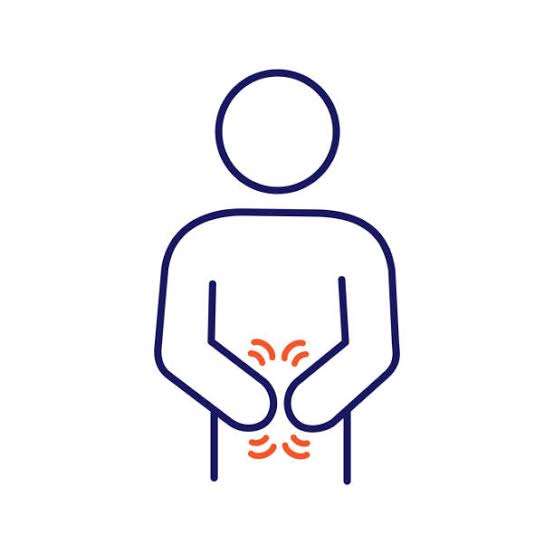
This digestive disorder occurs when stomach acid frequently flows back into the esophagus leading to discomfort. Understanding approaches can lessen symptoms effectively improving life quality.
- Symptoms & Causes: Heartburns after meals , regurgitation , chest discomfort triggered by overeating , lying down soon after meals , fatty foods.
- Diagnosis: Usually based on clinical presentation ; endoscopy may be advised if symptoms persist or complications suspected.
- Treatment Options: Lifestyle adaptations including smaller meals , avoiding trigger foods , raising head during sleep ; antacids or proton pump inhibitors prescribed depending on severity.
- What To Expect: Most patients experience symptom improvement within weeks but maintaining healthy habits prevents relapse.
Navigating GERD involves combining medical treatment with practical dietary changes for sustained relief over time.
SEASONAL ALLERGIC RHINITIS

This allergic reaction affects many individuals during specific seasons when pollen counts rise. Recognizing symptoms early assists in prompt management preventing discomfort progression.
- Symptoms & Causes: Sneezing fits, nasal congestion , watery eyes , itchy throat triggered mainly due to airborne allergens like pollen , dust .
- Diagnosis: Clinical history supplemented by allergy testing helps identify specific allergens responsible .
- Treatment Options: Avoidance of known triggers where possible , use of antihistamines , nasal corticosteroids , saline nasal washes provide relief . Immunotherapy might be considered in persistent cases .
- What To Expect: Effective symptom control improves daily functioning ; however , seasonal recurrence means ongoing vigilance is required .
Proper management allows patients to enjoy seasonal changes without significant disruption from allergies .
OBESITY COUNSELING AND WEIGHT MANAGEMENT

The condition of obesity results from excessive fat accumulation that impairs health. Tackling it involves multifaceted strategies aiming at sustainable weight loss for long-term benefits.
- Symptoms and causes:A high body mass index (BMI), unhealthy eating habits including high calorie intake paired with low physical activity contribute heavily to obesity development.
- Diagnosis:BMI calculation combined with waist circumference measurements give an initial evaluation; assessment of related complications like diabetes or hypertension follows accordingly.
- Treatment options:Mild-to-moderate obesity responds well to nutritional counseling focused on balanced diets along with regular physical activity plans tailored individually; behavioral modifications support adherence
- What to expect:Sustained lifestyle interventions gradually reduce weight while improving metabolic parameters reducing risks linked with excess weight such as cardiovascular issues
CHRONIC OBSTRUCTIVE PULMONARY DISEASE (COPD) SUPPORT
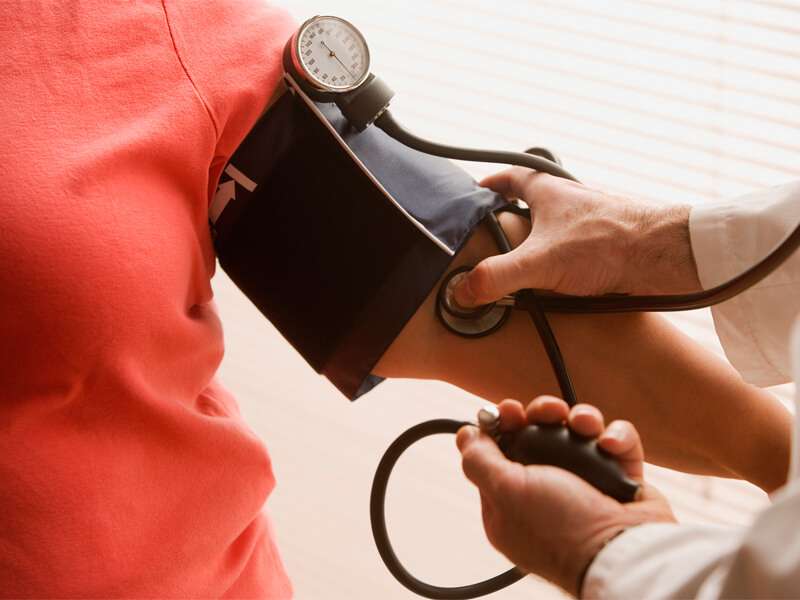
COPD is a progressive lung condition that makes breathing difficult due to airway inflammation. Understanding its management helps improve quality of life for those affected.
- Symptoms and causes: Persistent cough with sputum production and breathlessness are typical; smoking is a primary cause along with environmental exposures.
- Diagnosis: Spirometry tests measure lung function; chest X-rays support assessment.
- Treatment options: Quitting smoking, pulmonary rehabilitation exercises, inhaled medications such as bronchodilators or steroids alleviate symptoms substantially.
- What to expect: COPD requires lifelong care focusing on symptom control and preventing flare-ups through medication adherence and avoiding triggers.
A comprehensive approach addressing lifestyle changes alongside medical therapy enables better respiratory health despite COPD's chronic nature.
DIABETES MELLITUS TYPE 2 CARE

Type 2 diabetes is a chronic metabolic disorder characterized by elevated blood sugar due to insulin resistance. Early intervention and consistent management play critical roles in preventing complications.
- Symptoms and causes: Common signs include increased thirst, frequent urination, fatigue; risk factors involve obesity, sedentary lifestyle, and family history.
- Diagnosis: Blood tests such as fasting glucose levels or HbA1c confirm presence of diabetes.
- Treatment options: Lifestyle changes like balanced diet rich in fiber, regular exercise, weight control plus medications if prescribed help regulate glucose levels.
- What to expect: Ongoing monitoring of blood sugar with periodic doctor visits ensures optimal management and reduces risks of neuropathy or cardiovascular disease.
Lifestyle adjustments combined with medical guidance form the foundation for living well with type 2 diabetes.
HYPERTENSION MANAGEMENT
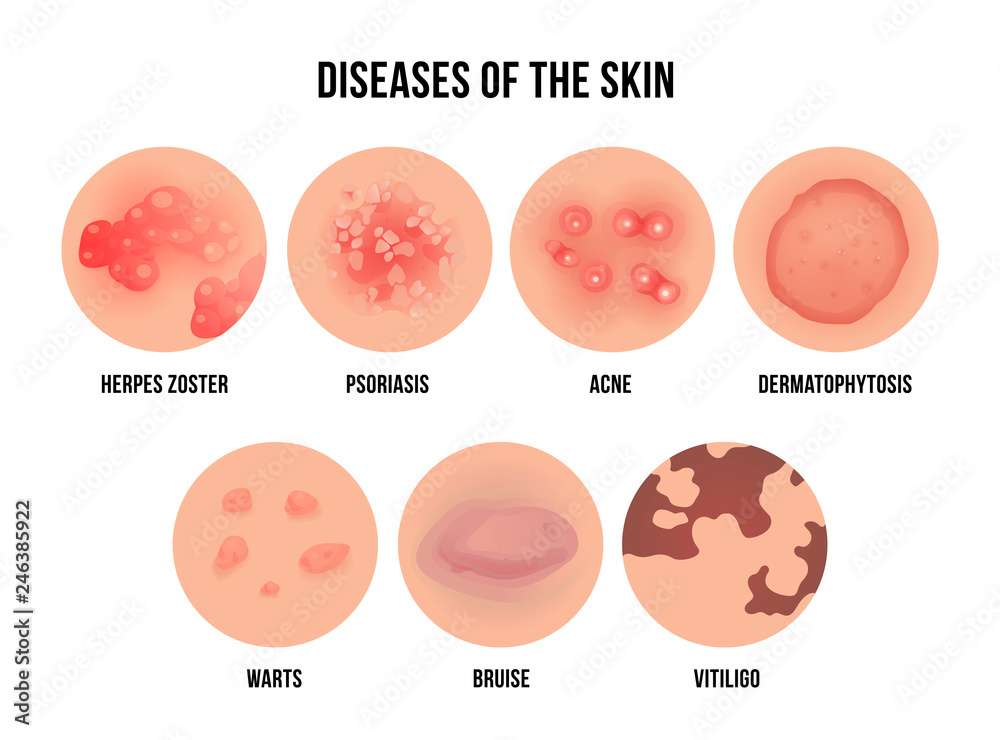
High blood pressure, or hypertension, is a common condition that often requires ongoing attention to prevent serious complications. Understanding how it affects your body and the steps to control it can greatly improve your health outcomes.
- Symptoms and causes: While hypertension often has no noticeable symptoms, it can be caused by obesity, excess salt intake, stress, and genetic factors.
- Diagnosis: Regular blood pressure monitoring using sphygmomanometers helps detect raised levels; multiple readings are needed for an accurate diagnosis.
- Treatment options: Management includes lifestyle modifications such as dietary changes, physical activity, limiting alcohol, quitting smoking, and pharmacological therapies when necessary.
- What to expect: With proper management, blood pressure can be maintained within target ranges to reduce the risk of heart disease and stroke.
Proactive monitoring and adherence to treatment plans are essential in controlling hypertension effectively over time.