
Dr Manish Khanna
About Me
Dr Manish Khanna
MBBS
Podiatrist
10 Years Experience
Biography
My Clinic
OPD Hours
| Monday | Morning | 10:00 AM | - | 02:00 PM |
| Evening | 06:00 PM | - | 09:00 PM | |
| Tuesday | Morning | 10:00 AM | - | 02:00 PM |
| Evening | 06:00 PM | - | 09:00 PM | |
| Wednesday | Morning | 10:00 AM | - | 02:00 PM |
| Evening | 06:00 PM | - | 09:00 PM | |
| Thursday | Morning | 10:00 AM | - | 02:00 PM |
| Evening | 06:00 PM | - | 09:00 PM | |
| Friday | Morning | 10:00 AM | - | 02:00 PM |
| Evening | 06:00 PM | - | 09:00 PM | |
| Saturday | Morning | 10:00 AM | - | 02:00 PM |
| Evening | 06:00 PM | - | 09:00 PM | |
| Sunday | Morning | 10:00 AM | - | 02:00 PM |
| Evening | 06:00 PM | - | 09:00 PM |
Treatments
Specialised care and treatments offered
SEVERE PLANTAR FASCIITIS EMERGENCY CARE
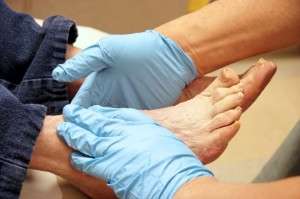
Dramatic heel pain from plantar fasciitis can incapacitate walking ability suddenly owing to inflammation at the ligamentous attachment site. Acute flare management eases symptoms rapidly while preventing progression toward chronicity.
- Symptoms & causes: Sharp stabbing heel pain worsening especially first steps after rest results from repetitive microtrauma of plantar fascia supporting arch structures;
- Diagnosis criteria: Clinical findings suffice though ultrasound imaging confirms thickening/inflammation existence;
- Therapeutic options: Immediate rest/ice application supplemented by NSAIDs address inflammation acutely along with strapping/taping techniques reducing biomechanical stress;
- Patient prospects: Early intervention offers faster symptom abatement thus reducing long-term disability risk allowing quicker resumption daily activities;
Addressing sudden plantar fasciitis exacerbations aggressively promotes recovery speed enhancing overall foot health maintenance.
FOOT ABSCESS DRAINAGE
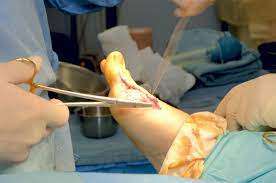
A foot abscess involves a collection of pus within tissue typically caused by bacterial infection following injury or puncture wounds. Proper drainage is pivotal for symptom relief and infection control.
- Spectrum of symptoms & causes:Painful swollen lump with redness locally; history often includes cuts or foreign body penetration providing bacterial entry points into tissues causing localized infection buildup (abscess).
- The role of diagnosis:A physical exam identifies fluctuant areas requiring drainage; imaging might assist if deep collections are suspected beneath skin surface layers;
ACUTE GOUTY ARTHRITIS OF THE FOOT
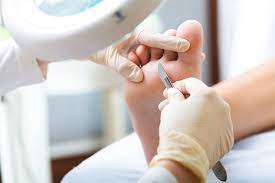
The sudden onset of gout attacks frequently affects joints in the foot leading to intense inflammation. Understanding management options helps patients reduce attack severity and duration effectively.
- Epidemiology & symptoms: Rapid swelling, redness, heat sensation commonly in the big toe joint alongside excruciating pain characterize an acute gout flare-up caused by uric acid crystal deposition.
- Selecting diagnosis tools: Diagnosis primarily relies on clinical presentation supported by joint fluid analysis confirming crystals if needed.
- Treatment plan: Nonsteroidal anti-inflammatory drugs (NSAIDs), colchicine are standard treatments along with rest and ice application during flares.
- Lifestyle recommendations: Long term diet modification and medications controlling uric acid levels reduce recurrence risk after an acute episode resolves.
This condition requires timely intervention to restore joint function promptly while preventing chronic joint damage over time.
SEVERE INGROWN TOENAIL TREATMENT
An ingrown toenail occurs when the nail grows into surrounding skin causing pain, redness, swelling, sometimes infection. Prompt treatment helps relieve discomfort and prevents worsening conditions.
- Causative factors & symptoms: Tight shoes, improper nail trimming habits cause sharp nail edges digging into skin; symptoms include localized tenderness, inflammation, pus formation if infected.
- Diagnosis: Visual inspection suffices for diagnosis; severe cases may need imaging if abscess formation is suspected.
- Treatment modalities: Conservative care includes soaking feet in warm water and proper nail care; surgical partial nail removal may be performed for recurrent or severe cases under local anesthesia.
- User expectations: Aftercare involves keeping area clean; normal activities can resume quickly post-procedure but avoiding tight footwear is critical during healing.
Treating ingrown toenails early greatly reduces risk of chronic infections or more invasive interventions later on.
DIABETIC FOOT ULCER CARE
Diabetic foot ulcers represent a serious complication arising from nerve damage and poor circulation commonly seen in diabetes. Effective care is essential to prevent infection and promote healing.
- Causes and symptoms: Ulcers form due to pressure points or trauma on numb areas of the foot; signs include persistent open wounds with possible discharge.
- Diagnostic process: Clinical assessment includes checking blood flow, nerve function, and ruling out infection through cultures if indicated.
- Treatment strategies: Includes offloading pressure with specialized footwear or devices, wound cleaning, dressings, antibiotics if infected, and optimizing blood sugar control.
- Monitoring: Regular evaluations ensure ulcer progression towards healing while preventing complications like gangrene.
A multidisciplinary approach improves outcomes by addressing underlying factors contributing to these chronic wounds.
ACUTE FOOT FRACTURE MANAGEMENT
Foot fractures require prompt attention to prevent complications and ensure proper healing. These injuries often result from trauma such as falls, direct blows, or twisting movements affecting the bones of the foot.
- Symptoms and causes: Intense pain, swelling, bruising, difficulty walking or bearing weight, and visible deformity can indicate a fracture.
- Diagnosis: Physical examination combined with imaging studies like X-rays confirm the presence and severity of the fracture.
- Treatment options: Immobilization using casts or splints, pain management, and in some cases surgical intervention to realign bones may be necessary.
- Management: Rest, elevation, and avoiding weight-bearing activities help recovery.
- What to expect: Healing time varies but typically spans several weeks; follow-up care is crucial to monitor bone union.
Early and appropriate treatment plays a vital role in restoring foot function and minimizing long-term disability after a fracture.