
Dr Mamtesh Gupta
About Me
Dr Mamtesh Gupta
MD
Cardiologist
10 Years Experience
Biography
My Clinic
OPD Hours
| Monday | Morning | 10:00 AM | - | 02:00 PM |
| Evening | 06:00 PM | - | 09:00 PM | |
| Tuesday | Morning | 10:00 AM | - | 02:00 PM |
| Evening | 06:00 PM | - | 09:00 PM | |
| Wednesday | Morning | 10:00 AM | - | 02:00 PM |
| Evening | 06:00 PM | - | 09:00 PM | |
| Thursday | Morning | 10:00 AM | - | 02:00 PM |
| Evening | 06:00 PM | - | 09:00 PM | |
| Friday | Morning | 10:00 AM | - | 02:00 PM |
| Evening | 06:00 PM | - | 09:00 PM | |
| Saturday | Morning | 10:00 AM | - | 02:00 PM |
| Evening | 06:00 PM | - | 09:00 PM | |
| Sunday | Morning | 10:00 AM | - | 02:00 PM |
| Evening | 06:00 PM | - | 09:00 PM |
Treatments
Specialised care and treatments offered
ELECTROPHYSIOLOGY STUDIES

This specialized procedure helps evaluate electrical pathways within the heart that control its rhythm. It's particularly useful for diagnosing arrhythmias that may have unexplained causes affecting one’s quality of life significantly!
- Patients might experience skipped beats or rapid pounding sensations indicating irregular rhythms signaling need for further evaluation!
- Conducting these studies usually involves hospitalization where doctors insert catheters into veins leading directly towards specific chambers inside hearts guided by imaging tools!
- Findings guide next steps—including potential ablation therapies targeting abnormal tissue contributing directly causing disruptions helping restore normal conduction patterns åter!
- Outcomes vary depending largely on exact nature diagnosed; many individuals find relief from troublesome symptoms post-intervention enhancing their daily well-being immensely!
Clinical advancements ensure safety throughout procedures emphasizing continuous monitoring promoting effective solutions improving patient experiences overall successfully!
CHOLESTEROL MANAGEMENT
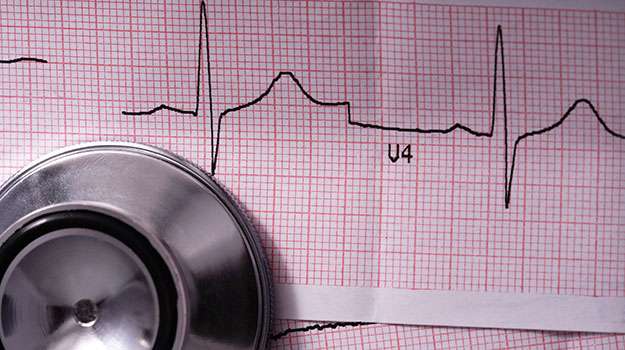
Elevated cholesterol levels pose significant risks for cardiovascular diseases over time. Managing cholesterol proactively is essential for maintaining overall heart health and reducing associated risk factors!
- The common types causing concern are LDL (bad cholesterol) that clogs arteries versus HDL (good cholesterol) which helps clear them out from your system!
- Doctors diagnose cholesterol issues through lipid panel tests measuring various lipid levels accurately during routine check-ups!
- Management strategies involve lifestyle changes including diet adjustments focused on nourishing foods low in saturated fats paired possibly with medication like statins!
- Sustained commitment enhances outcomes—regular monitoring after initial treatment is essential toward achieving healthy cholesterol balance!
Long-term adherence makes it feasible for patients to maintain optimal heart function while preventing future cardiovascular events related directly back towards unregulated cholesterol levels!
ATRIAL FIBRILLATION TREATMENT
Atrial fibrillation (AFib) is an irregular heartbeat that can lead to strokes or other heart complications. Understanding AFib is critical in order to mitigate its potential risks effectively.
- Symptoms often include palpitations, dizziness, fatigue, and chest discomfort but some people may be asymptomatic entirely.
- Disease diagnosis involves EKGs or Holter monitors for rhythm tracking over time among other assessments.
- Treatment usually consists of anticoagulants to prevent clotting along with rate control medications; some might require cardioversion procedures for restoration of normal rhythm.
- Lifestyle factors play a role—maintaining a healthy diet and avoiding excessive alcohol intake can make significant differences in mitigating symptoms when living with AFib.
Taking proactive steps towards management will help those affected live healthier lives despite having atrial fibrillation.
HEART FAILURE MANAGEMENT
Heart failure occurs when the heart cannot pump blood efficiently, leading to fluid buildup in the lungs and other body tissues. It’s a manageable chronic condition that requires ongoing attention.
- Symptoms include persistent cough, swelling in legs/ankles, fatigue, and difficulty concentrating.
- A diagnosis may involve medical history review, physical examinations, and imaging tests such as echocardiograms or MRI scans.
- Treatment strategies typically involve medications like ACE inhibitors or beta-blockers along with lifestyle modifications tailored to each patient’s needs.
- Patients are encouraged to monitor weight daily as sudden gains may signal fluid retention requiring immediate attention.
If managed properly through a comprehensive care plan, individuals living with heart failure can maintain an active lifestyle while minimizing symptoms.
CORONARY ARTERY DISEASE (CAD)
Coronary artery disease is a condition characterized by the narrowing of the coronary arteries due to plaque buildup. This can decrease blood flow to the heart muscle, leading to chest pain or even heart attacks.
- Symptoms may include angina (chest pain), fatigue, and shortness of breath during physical activity.
- Diagnosis often involves stress tests, echocardiograms, or coronary angiography for visualization of artery blockages.
- Treatment approaches include lifestyle changes such as quitting smoking and medication like statins; some cases may require procedures like angioplasty or bypass surgery.
- A personalized treatment plan is vital for managing symptoms and preventing further progression of the disease.
Early detection and intervention are key in managing CAD effectively and reducing risks associated with the condition.
HYPERTENSION MANAGEMENT
High blood pressure, commonly known as hypertension, is a prevalent condition that can lead to serious health complications if left unmanaged. Patients with hypertension often experience no symptoms, making regular monitoring essential.
- Common symptoms include headaches, shortness of breath, and nosebleeds.
- Diagnosis typically involves measuring blood pressure using a sphygmomanometer during multiple visits.
- Treatment options range from lifestyle changes such as dietary modifications and increased physical activity to medication like diuretics or ACE inhibitors.
- Regular follow-up appointments are crucial to monitor blood pressure levels and adjust treatment plans accordingly.
- A holistic approach can significantly reduce risks of heart attack and stroke associated with uncontrolled hypertension.
Controlling high blood pressure requires ongoing management, but with the right strategies in place, patients can lead a healthy life free from complications.