
Dr Mamta Orthopae
About Me
Dr Mamta Orthopae
MBBS
General Physician
10 Years Experience
Biography
My Clinic
OPD Hours
| Monday | Morning | 10:00 AM | - | 02:00 PM |
| Evening | 06:00 PM | - | 09:00 PM | |
| Tuesday | Morning | 10:00 AM | - | 02:00 PM |
| Evening | 06:00 PM | - | 09:00 PM | |
| Wednesday | Morning | 10:00 AM | - | 02:00 PM |
| Evening | 06:00 PM | - | 09:00 PM | |
| Thursday | Morning | 10:00 AM | - | 02:00 PM |
| Evening | 06:00 PM | - | 09:00 PM | |
| Friday | Morning | 10:00 AM | - | 02:00 PM |
| Evening | 06:00 PM | - | 09:00 PM | |
| Saturday | Morning | 10:00 AM | - | 02:00 PM |
| Evening | 06:00 PM | - | 09:00 PM | |
| Sunday | Morning | 10:00 AM | - | 02:00 PM |
| Evening | 06:00 PM | - | 09:00 PM |
Treatments
Specialised care and treatments offered
COMPLETE BLOOD COUNT (CBC) ANALYSIS
A complete blood count (CBC) provides comprehensive information about your blood cells which can reveal numerous medical conditions early on. It is a fundamental diagnostic tool used routinely for general wellness checks or illness investigation.
- What Is Checked: Red blood cell count indicates anemia status; white cells show infection or immune system activity; platelet count evaluates clotting capacity.
- <&#Strong>When Performed: CBCs are ordered when symptoms like fatigue, unexplained bruising\/bleeding or infections arise.
- <&#Strong>Interpreting Results: Abnormal values prompt further testing tailored depending on suspected illness such as leukemia or iron deficiency.
- <&#Strong>Benefits For Patients: Routine CBC screening aids in early detection allowing timely treatment initiation.
This simple yet powerful test uncovers hidden problems enabling physicians to craft personalized management plans keeping individuals healthier longer.
LIPID PROFILE TESTING

An important step in assessing cardiovascular risk involves evaluating lipid levels in the blood. This guides prevention strategies against heart disease development.
- Main Components Measured: Total cholesterol, LDL (bad cholesterol), HDL (good cholesterol), and triglycerides comprise the lipid profile panel tested via blood sample after fasting usually required for accuracy.
- The Significance of Results: Elevated LDL or triglycerides increase risk for arterial plaque build-up; low HDL also factors into cardiovascular risk stratification.
- Treatment Strategies:
THYROID FUNCTION EVALUATION
The thyroid gland influences metabolism affecting energy levels and organ function. Checking its performance is important when symptoms suggest imbalance.
- Suspicious Signs: Fatigue, weight changes, temperature sensitivity alterations indicate possible thyroid dysfunction needing assessment.
- Labs Involved: Blood tests measuring TSH (thyroid-stimulating hormone), free T4, and sometimes antibodies aid diagnosis of hypo- or hyperthyroidism.
- Treatment Options: Hypothyroidism is managed by hormone replacement; hyperthyroidism treatment varies from medication to procedural interventions depending on cause severity.
- Lifelong Monitoring: Patients often require periodic reevaluation to adjust therapy ensuring stable thyroid status ongoingly maintained.
An informed approach to thyroid health enhances quality of life by correcting hormonal imbalances effectively through evidence-based care plans.
RESPIRATORY INFECTION DIAGNOSIS
Lung infections vary widely in severity from mild colds to pneumonia. Accurate diagnosis helps guide appropriate therapy for rapid recovery.
- Pertinent Symptoms: Cough with sputum production, fever, shortness of breath, chest discomfort often indicate respiratory infection presence.
- Diagnostic Tools: Chest X-rays alongside sputum analysis enable differentiation between viral and bacterial causes.
- Treatments Available: Viral infections usually resolve with supportive care; bacterial infections often require targeted antibiotics prescribed after evaluation.
- Avoiding Complications: Early detection reduces risks such as lung abscess or systemic spread leading to sepsis.
Caring for respiratory infections promptly ensures healing while minimizing progression into more severe conditions requiring hospitalization.
TYPE 2 DIABETES SCREENING

The early identification of type 2 diabetes plays a vital role in preventing complications. Screening tests help detect elevated blood sugar levels before symptoms appear.
- Risk Factors: Includes family history, obesity, sedentary lifestyle, and age over 45 years.
- Screening Methods: Fasting blood glucose test, oral glucose tolerance test (OGTT), or HbA1c measurement provide reliable diagnostic data.
- Treatment Approaches: Lifestyle changes focusing on diet and physical activity are fundamental; medication may be started based on severity.
- Importance of Early Detection: Identifying prediabetes offers a chance to reverse the condition through lifestyle adjustment before full diabetes develops.
Regular screening empowers patients to take proactive steps toward better metabolic health and prevents long-term damage from unchecked diabetes.
HYPERTENSION MANAGEMENT
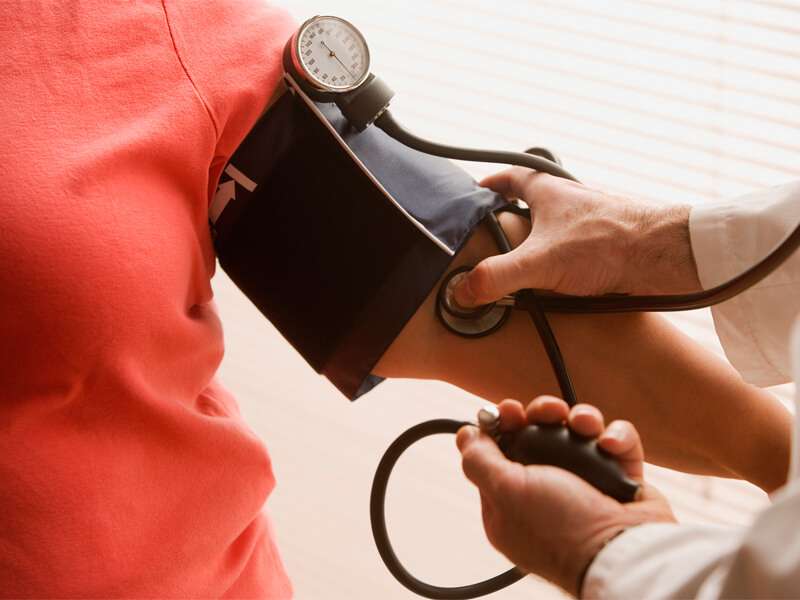
High blood pressure, or hypertension, is a common condition that requires careful monitoring and control to prevent serious health issues. Understanding this condition helps patients manage it effectively.
- Symptoms and Causes: Often called the "silent killer" because it can be asymptomatic; causes include genetics, lifestyle factors such as high salt intake, stress, obesity, and lack of exercise.
- Diagnosis: Regular blood pressure measurements are essential; ambulatory or home monitoring can help confirm persistent high readings.
- Treatment: Lifestyle modifications like diet and exercise are first-line; medications may be prescribed to maintain target blood pressure levels.
- Management: Ongoing follow-up is crucial to adjust treatment plans and monitor for any complications affecting heart, kidneys, or brain.
- Expectations: With proper care, most people can keep hypertension under control and reduce risk of stroke and heart disease.
Consistent management of blood pressure safeguards long-term health by minimizing risks related to uncontrolled hypertension.