
Dr Mahinder Koch
About Me
Dr Mahinder Koch
MS
Orthopaedic Surgeons
10 Years Experience
Biography
My Clinic
OPD Hours
| Monday | Morning | 10:00 AM | - | 02:00 PM |
| Evening | 06:00 PM | - | 09:00 PM | |
| Tuesday | Morning | 10:00 AM | - | 02:00 PM |
| Evening | 06:00 PM | - | 09:00 PM | |
| Wednesday | Morning | 10:00 AM | - | 02:00 PM |
| Evening | 06:00 PM | - | 09:00 PM | |
| Thursday | Morning | 10:00 AM | - | 02:00 PM |
| Evening | 06:00 PM | - | 09:00 PM | |
| Friday | Morning | 10:00 AM | - | 02:00 PM |
| Evening | 06:00 PM | - | 09:00 PM | |
| Saturday | Morning | 10:00 AM | - | 02:00 PM |
| Evening | 06:00 PM | - | 09:00 PM | |
| Sunday | Morning | 10:00 AM | - | 02:00 PM |
| Evening | 06:00 PM | - | 09:00 PM |
Treatments
Specialised care and treatments offered
ACHILLES TENDON TREATMENT
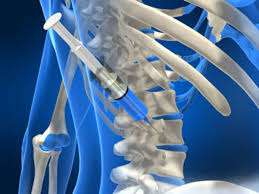
The Achilles tendon connects your calf muscles to your heel bone; injuries here can cause significant discomfort. Various therapeutic options exist for dealing with conditions affecting this crucial area known as Acheles tendon treatment, ensuring you receive care tailored precisely according your specific situation!
- Common indications include swelling around ankles accompanied by soreness felt close-up behind heel areas often increased during sports activities!
- Diagnosis generally entails physical evaluations supported by imaging tests assessing tendon integrity levels confirming injury statuses thoroughly analyzed prior proceeding onward further!
- Management usually incorporates rest periods complemented by anti-inflammatory medications combined alongside physical rehab routines enhancing healing capabilities naturally occurring within body itself afterward thus improving overall resilience long-term overall!
- Should conservative methods prove insufficient after reasonable timelines elapsed through various stages undertaken—surgical alternatives exist aimed restoring biological functions previously hindered entirely adequately compensating beforehand too!
- The typical recovery timeline varies based upon unique circumstances faced but effective orthopedic interventions aim toward reinstating mobility promptly allaying worries felt previously accrued amongst patients too subsequently afterward yet again successfully reaching optimum strides ahead!
This comprehensive care allows individuals impacted return confidently participating actively fulfilling lives once more as they enjoy renewed freedom regarding formerly limited ranges available potentially throughout daily living therefore enhancing health immensely wholly thereafter achieved indeed together collaboratively recognizing such endeavors deeply enjoying revitalized perspectives collectively upheld henceforth onward truly always determined likewise remain unwavering committing fully unyieldingly still illuminating futures guaranteed undeniably brighter than before continually seeking success ultimately closer ahead forever together!”}
LUMBAR DISC HERNIATION TREATMENT
Lumbar disc herniation commonly results in lower back pain radiating down into the legs. Understanding how it occurs helps inform effective treatment strategies tailored specifically for each patient’s needs. Lumbar disc herniation treatment, therefore focuses on relieving symptoms while promoting healing processes over time depending on severity levels observed during initial evaluations!
- Main signs consist of localized back pain intensified by movement along with potential radiating discomfort through associated nerves leading downwards into limbs as well!
- X-rays combined alongside magnetic resonance images (MRI) serve essential diagnostic purposes enabling confirmation regarding disc displacement status within lumbar regions targeted directly!
- Numerous non-invasive options exist tailored towards improving overall health—including physiotherapy sessions focused around core strengthening techniques!
Enhanced outcomes arise once successful interventions managed over several weeks take full effect—leading towards diminished discomfort levels experienced during routine activities permitting greater freedom when engaging fully throughout life again afterwards!
CARPAL TUNNEL RELEASE

Caught between daily tasks and repetitive motions? You may be suffering from carpal tunnel syndrome. The carpal tunnel release procedure aims to alleviate pressure on the median nerve within the wrist area through minimally invasive techniques.
- The most common symptoms include tingling sensations, numbness, or weakness in the hand and fingers - particularly at night or during specific activities.
- A comprehensive diagnosis includes a review of symptoms along with nerve conduction studies to confirm compression levels on the nerve pathway.
- Treatment begins conservatively with wrist splints and ergonomic adjustments before considering surgical intervention if symptoms persist despite these efforts.
- The surgery involves making small incisions that allow direct access to relieve pressure without extensive trauma to surrounding tissues leading to quicker recoveries overall.
- Pain relief typically follows soon after surgery alongside rehabilitation efforts aimed at regaining strength and versatility in hand function quickly thereafter.
This dynamic approach helps many regain their daily functionality by effectively addressing nerve compression problems at their source!
PLANTAR FASCIITIS TREATMENT

A common foot ailment, plantar fasciitis, often causes debilitating heel pain that interferes with everyday activities. Effective treatments are available that focus on alleviating discomfort while restoring function.
- The primary symptom is sharp heel pain that typically worsens after periods of rest or in the morning upon waking up.
- Diagnosis may include a clinical examination alongside imaging studies like ultrasound if necessary to rule out other conditions.
- Treatment usually involves customized orthotics, stretching exercises, anti-inflammatory medications, or injections for more severe cases.
- Surgical options are rare but can be considered if conservative methods fail over an extended period.
- Caring for plantar fasciitis often means adopting new footwear habits and engaging in consistent rehabilitation exercises for lasting relief.
MINIMALLY INVASIVE KNEE REPLACEMENT

Knee pain due to arthritis or injury can greatly hinder daily activities. A minimally invasive knee replacement approach allows surgeons to replace damaged joint surfaces with less disruption to surrounding tissues.
- Common symptoms include persistent pain, swelling, and stiffness in the knee joint.
- A thorough diagnosis usually involves physical assessments along with X-rays or MRI scans to evaluate the extent of joint damage.
- Treatment options might range from lifestyle modifications and physical therapy to advanced surgical techniques when necessary.
- This method reduces hospital stay duration and promotes faster recovery compared to traditional knee surgeries.
- Patients can expect improved mobility and reduced pain upon completion of the rehabilitation process post-surgery.
This innovative approach has been shown to significantly improve patient outcomes in managing severe knee conditions.
ARTHROSCOPIC SHOULDER REPAIR

Shoulder injuries can significantly affect one's quality of life, especially for active individuals. Arthroscopic shoulder repair is a minimally invasive procedure designed to address various shoulder issues, including rotator cuff tears and labral injuries.
- Symptoms may include pain, limited range of motion, or weakness in the shoulder.
- Diagnosis often involves physical examinations and imaging tests such as MRIs or ultrasounds.
- Treatment options typically involve physical therapy, corticosteroid injections, or surgical intervention if conservative measures fail.
- The arthroscopic procedure is characterized by smaller incisions, resulting in less tissue damage and quicker recovery times.
- Post-surgery, patients can expect a structured rehabilitation program to enhance recovery and regain functionality.
This technique offers outstanding outcomes for those wishing to restore their shoulder's function and alleviate pain effectively.