
Dr Mahesh Tiwari
About Me
Dr Mahesh Tiwari
MBBS
General Physician
10 Years Experience
Biography
My Clinic
OPD Hours
| Monday | Morning | 10:00 AM | - | 02:00 PM |
| Evening | 06:00 PM | - | 09:00 PM | |
| Tuesday | Morning | 10:00 AM | - | 02:00 PM |
| Evening | 06:00 PM | - | 09:00 PM | |
| Wednesday | Morning | 10:00 AM | - | 02:00 PM |
| Evening | 06:00 PM | - | 09:00 PM | |
| Thursday | Morning | 10:00 AM | - | 02:00 PM |
| Evening | 06:00 PM | - | 09:00 PM | |
| Friday | Morning | 10:00 AM | - | 02:00 PM |
| Evening | 06:00 PM | - | 09:00 PM | |
| Saturday | Morning | 10:00 AM | - | 02:00 PM |
| Evening | 06:00 PM | - | 09:00 PM | |
| Sunday | Morning | 10:00 AM | - | 02:00 PM |
| Evening | 06:00 PM | - | 09:00 PM |
Treatments
Specialised care and treatments offered
COMMUNITY-ACQUIRED PNEUMONIA

This lung infection develops outside hospital settings caused by various microorganisms leading to inflammation of air sacs that fill with fluid impairing oxygen exchange. It remains a frequent reason for acute illness globally across all ages but particularly impacts older adults or those with chronic illnesses better monitored clinically even post initial treatment at home suitable patients .
- Symptoms typically begin abruptly including cough productive often sputum colored yellow-green , fever chills , shortness of breath , chest pain worsening with breaths ;
- Etiology ranges mostly from Streptococcus pneumoniae bacteria though viruses also contribute ;
- Doctors diagnose through clinical exam combined with chest radiography confirming infiltrates alongside laboratory markers helping gauge severity ;
- Treatment involves adequate antibiotic regimens tailored per causative pathogen supported by supportive care such as oxygen supplementation where needed ;
- Recovery usually spans around one to two weeks but complete resolution might take longer depending individual health factors .
Pneumonia requires timely attention since delays complicate outcomes increasing risk of hospitalization . Vaccination against pneumococcal strains reduces incidence . Staying vigilant about worsening respiratory status ensures swift action preserving lung function effectively .
DIABETIC KETOACIDOSIS (DKA)

This serious complication occurs mainly in individuals with diabetes when the body produces high levels of blood acids called ketones due to insufficient insulin availability. It represents a medical emergency needing immediate intervention.
- You may observe symptoms such as excessive thirst, frequent urination, nausea/vomiting, abdominal pain along with rapid breathing pattern known as Kussmaul respiration indicating metabolic acidosis presence;
ACUTE GASTROENTERITIS

This condition refers to inflammation of the stomach and intestines primarily caused by infections resulting in diarrhea and vomiting. It affects people of all ages worldwide.
- Main symptoms: frequent loose stools, nausea, vomiting, abdominal cramps, dehydration signs such as dry mouth or dizziness should prompt urgent care consideration.
- The majority of cases arise from viral agents like norovirus or rotavirus; bacterial causes include Salmonella spp., requiring different management strategies.
- The diagnosis often relies on clinical presentation; stool tests may be needed in prolonged or severe cases to determine etiology accurately.
- Treatment emphasizes rehydration with oral fluids or intravenous fluids in severe dehydration and symptomatic care; antibiotics are reserved for bacterial infections where indicated.
- The typical course lasts several days with full recovery expected without complications when addressed early.
Avoiding contaminated food/water sources plays a critical role in prevention. Seek professional advice if symptoms persist beyond 72 hours or worsen rapidly especially in vulnerable groups like children or elderly individuals.
URINARY TRACT INFECTION (UTI)
A urinary tract infection occurs when bacteria invade the urinary system causing inflammation and discomfort. It commonly affects the bladder but can involve other parts like the kidneys if untreated.
- Telltale symptoms include burning sensation during urination, increased frequency and urgency to urinate, lower abdominal pain, and cloudy urine.
- Bacteria like Escherichia coli are the predominant bacterial cause, introduced typically from gut flora ascending into the urinary tract.
- The diagnosis involves urine analysis and sometimes urine culture to identify causative organisms for targeted therapy.
- Treatment generally consists of appropriate antibiotics along with advice on hygiene and fluid intake to flush out bacteria effectively.
- If managed promptly expectations include symptom relief within days; recurrent infections require thorough evaluation for underlying issues.
This common infection can be distressing but responds well to medical treatment. Preventive measures include adequate hydration and proper personal hygiene habits.
HYPERTENSIVE CRISIS
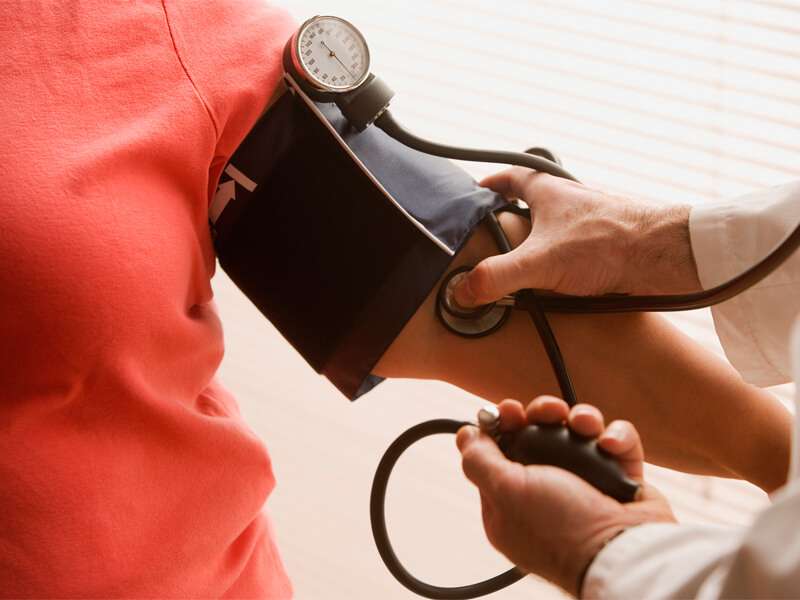
A hypertensive crisis is a severe elevation in blood pressure that can rapidly damage organs and requires prompt medical attention. It is divided into hypertensive urgency and emergency depending on associated organ damage.
- Signs include extremely high blood pressure readings often above 180/120 mmHg accompanied by headaches, chest pain, shortness of breath, or neurological symptoms.
- The main causes encompass uncontrolled hypertension, medication noncompliance, or other acute stressors affecting blood pressure regulation.
- Diagnosis involves repeated blood pressure measurements along with assessment for target organ injury including blood tests and imaging where necessary.
- The cornerstone of management includes careful lowering of blood pressure using intravenous or oral medications under close monitoring to avoid complications.
- The outcome depends on timely treatment; delayed care increases risk of stroke, heart attack or kidney failure.
If you experience sudden severe headaches or vision changes with very high blood pressure readings, urgent medical evaluation is essential.
ACUTE BRONCHITIS

Acute bronchitis is a common respiratory condition characterized by the inflammation of the bronchial tubes, which carry air to and from the lungs. It often develops following a cold or respiratory infection.
- Symptoms include persistent cough, production of mucus, wheezing, chest discomfort, and sometimes mild fever.
- Causes are usually viral infections but can occasionally be bacterial.
- Diagnosis primarily depends on clinical examination and patient history; chest X-rays may be performed to rule out pneumonia.
- Treatment focuses on symptom relief using rest, hydration, cough suppressants, and in select cases, antibiotics if a bacterial cause is suspected.
- Expectations generally involve symptom resolution within 2-3 weeks; however, cough may persist longer in some individuals.
Early intervention and proper care can help prevent complications. If symptoms worsen or last beyond three weeks, further medical evaluation is recommended.