
Dr Mahesh Shukla
About Me
Dr Mahesh Shukla
MBBS
Internal Medicine
10 Years Experience
Biography
My Clinic
OPD Hours
| Monday | Morning | 10:00 AM | - | 02:00 PM |
| Evening | 06:00 PM | - | 09:00 PM | |
| Tuesday | Morning | 10:00 AM | - | 02:00 PM |
| Evening | 06:00 PM | - | 09:00 PM | |
| Wednesday | Morning | 10:00 AM | - | 02:00 PM |
| Evening | 06:00 PM | - | 09:00 PM | |
| Thursday | Morning | 10:00 AM | - | 02:00 PM |
| Evening | 06:00 PM | - | 09:00 PM | |
| Friday | Morning | 10:00 AM | - | 02:00 PM |
| Evening | 06:00 PM | - | 09:00 PM | |
| Saturday | Morning | 10:00 AM | - | 02:00 PM |
| Evening | 06:00 PM | - | 09:00 PM | |
| Sunday | Morning | 10:00 AM | - | 02:00 PM |
| Evening | 06:00 PM | - | 09:00 PM |
Treatments
Specialised care and treatments offered
LIPID PROFILE ANALYSIS
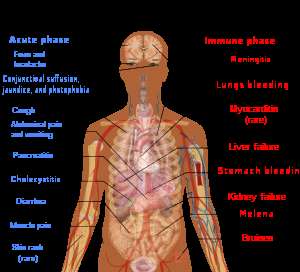
Lipid profile testing measures cholesterol levels in the blood helping assess cardiovascular risk factors. This test assists clinicians in guiding preventive measures against heart disease.
ANEMIA WORKUP
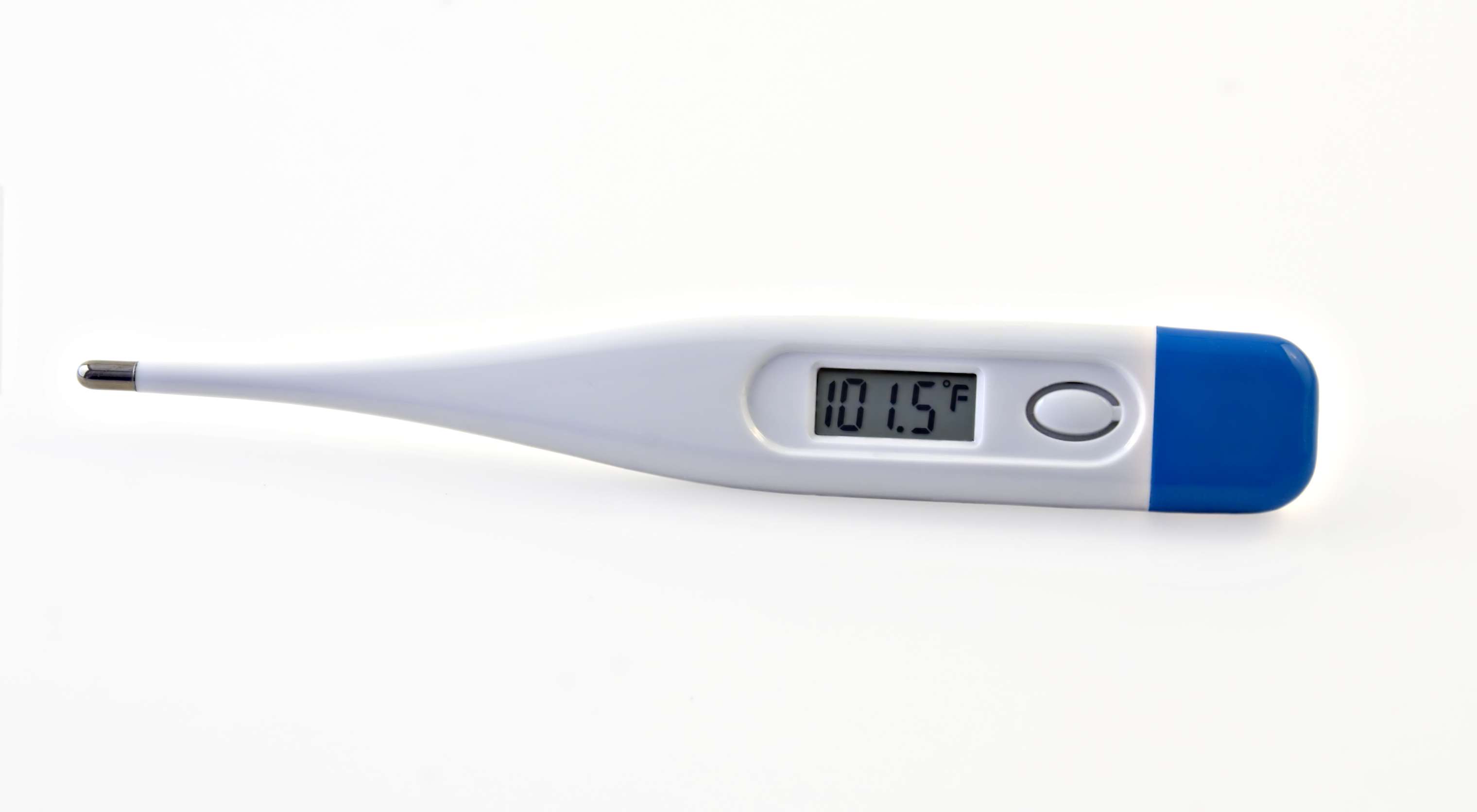
Anemia is a condition characterized by a deficiency of red blood cells or hemoglobin leading to fatigue and weakness. Identifying underlying causes guides appropriate treatment approaches.
- Causation & Signs: Nutritional deficiencies (iron, B12), chronic diseases or blood loss often cause anemia manifesting as pallor or dizziness.
THYROID FUNCTION TESTING
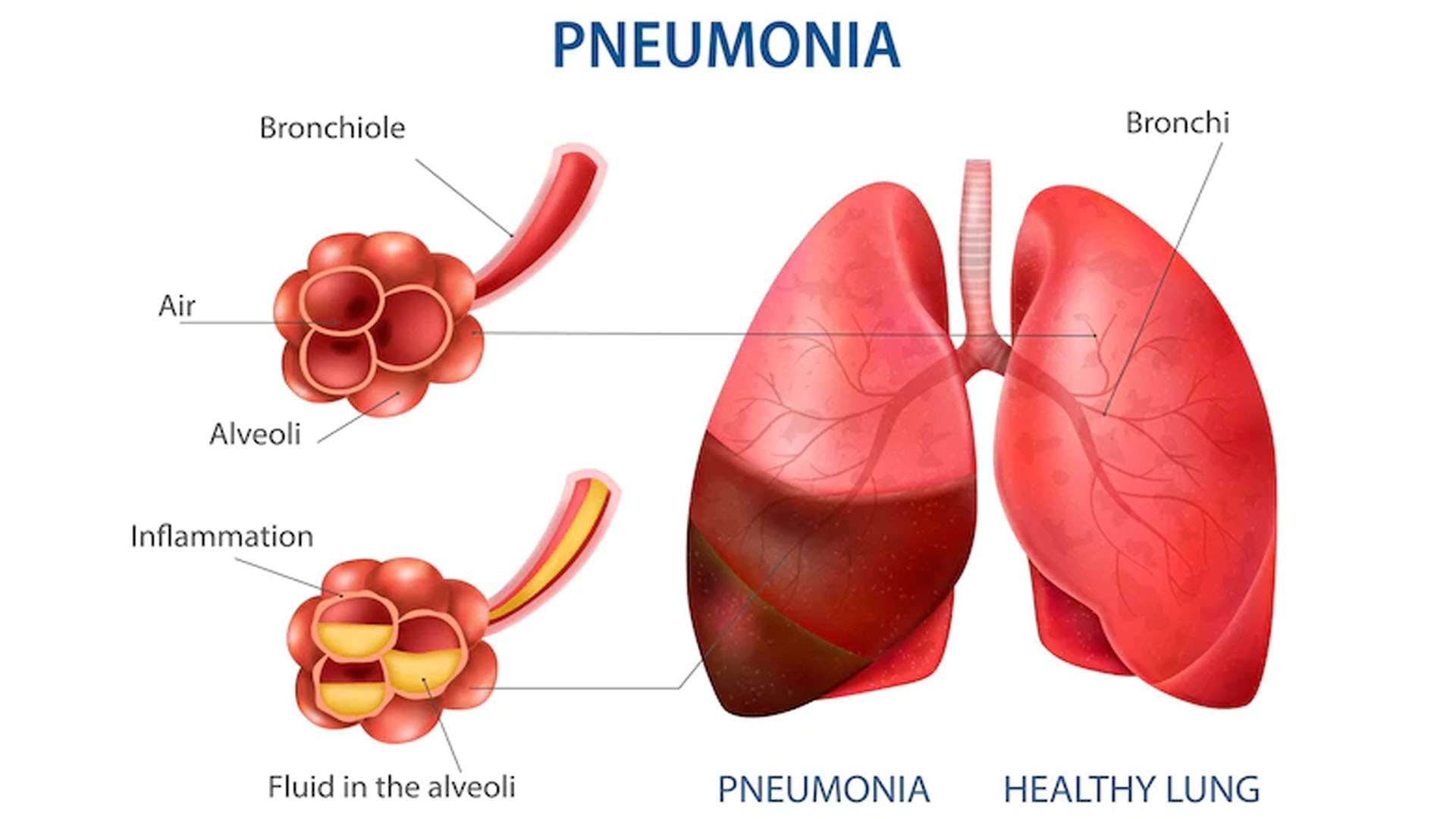
The thyroid gland plays a vital role in regulating metabolism through hormone production. Evaluating its function helps diagnose various disorders affecting overall health.
- Causative Conditions & Symptoms: Hypothyroidism causes fatigue and weight gain; hyperthyroidism leads to nervousness and weight loss.
- Laboratory Investigations: Blood tests measuring TSH, T3, and T4 hormones assess thyroid activity accurately.
- Treatment Implications: Hormone replacement therapy or antithyroid medications may be initiated based on test results.
- Lifelong Monitoring: Regular follow-up ensures hormone levels remain balanced preventing complications from untreated dysfunctions.
An informed understanding of thyroid testing aids in timely identification of metabolic disorders crucial for maintaining wellbeing.
CHRONIC OBSTRUCTIVE PULMONARY DISEASE (COPD) ASSESSMENT
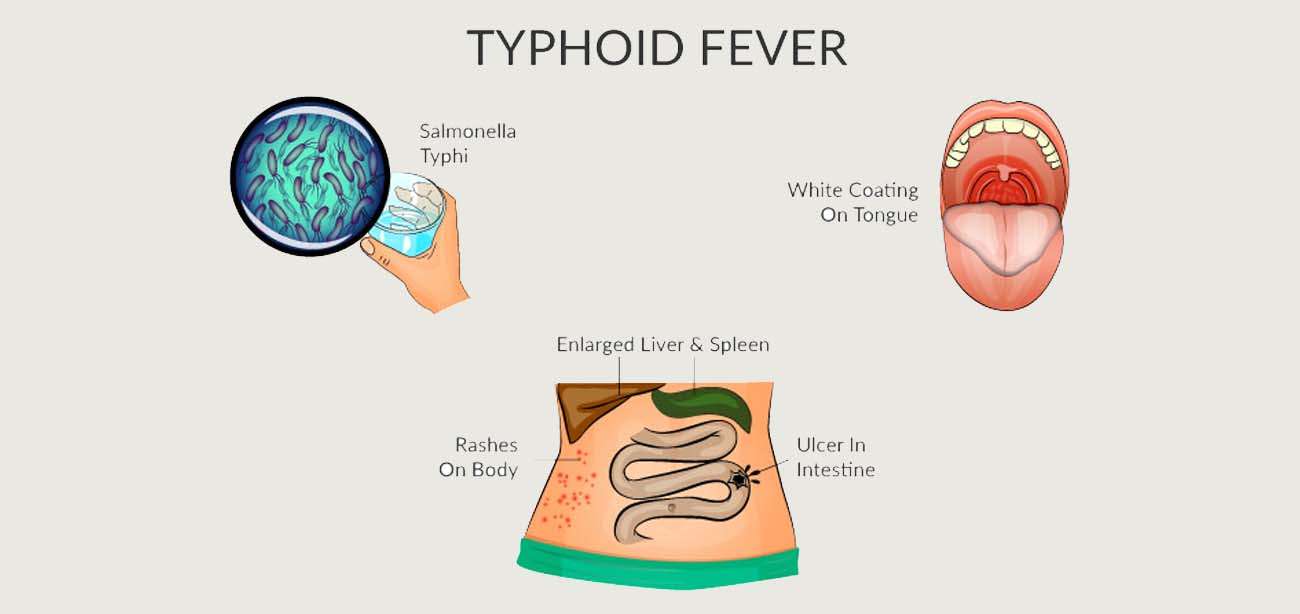
COPD refers to progressive lung diseases that obstruct airflow making breathing difficult. It primarily affects smokers and those exposed to lung irritants.
- Symptoms & Risk Factors: Chronic cough, sputum production, shortness of breath; smoking history is a major contributor.
- Clinical Evaluation: Lung function tests like spirometry measure airflow obstruction degree; imaging may support diagnosis.
- Treatment Plans: Bronchodilators, corticosteroids, pulmonary rehabilitation programs alleviate symptoms.
- Avoidance Measures: Quitting smoking and avoiding pollutants slow disease progression significantly.
A thorough assessment enables effective symptom management improving daily functioning despite the chronic nature of COPD.
DIABETES MELLITUS EVALUATION
Diabetes mellitus is a chronic disorder characterized by high blood sugar levels due to insulin issues. Early recognition improves long-term health outcomes.
- Causes and Symptoms: Excessive thirst, frequent urination, fatigue, and unexplained weight changes are signs; genetic and lifestyle factors contribute to risk.
- Diagnostic Tests: Blood glucose tests including fasting glucose and HbA1c provide clear indicators for diagnosis.
- Treatment Strategies: Includes dietary regulation, oral medications, insulin therapy, and regular blood sugar monitoring.
- Lifestyle Management: Healthy eating, physical activity, and routine medical follow-ups support disease control.
A comprehensive evaluation helps tailor treatment plans improving quality of life for patients living with diabetes.
HYPERTENSION MANAGEMENT
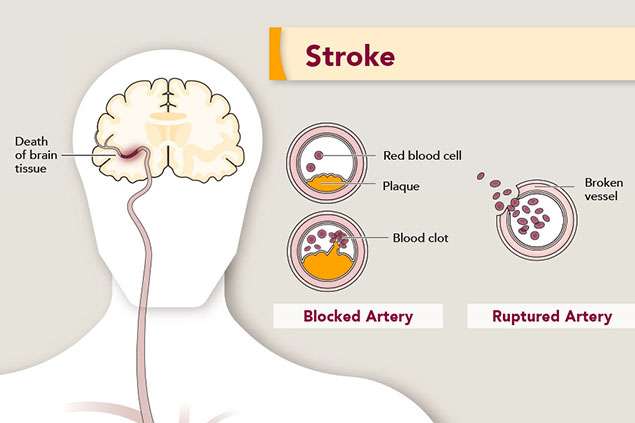
High blood pressure is a common yet serious condition that affects millions worldwide. Proper control is essential to prevent complications such as heart attacks and strokes.
- Symptoms and Causes: Often called the 'silent killer,' hypertension may have no symptoms but can be influenced by genetics, diet, stress, and lifestyle.
- Diagnosis: Regular blood pressure measurements taken in clinical settings or with home monitors confirm persistent elevation.
- Treatment Options: Lifestyle changes like diet, exercise, and medication including diuretics or beta-blockers help achieve target blood pressure.
- Management: Ongoing monitoring is crucial along with adherence to prescribed therapies to reduce risks of organ damage.
With consistent care and awareness, hypertension can be effectively managed to maintain a healthy life.