
Dr Mahendra Pand
About Me
Dr Mahendra Pand
MBBS
General Physician
10 Years Experience
Biography
My Clinic
OPD Hours
| Monday | Morning | 10:00 AM | - | 02:00 PM |
| Evening | 06:00 PM | - | 09:00 PM | |
| Tuesday | Morning | 10:00 AM | - | 02:00 PM |
| Evening | 06:00 PM | - | 09:00 PM | |
| Wednesday | Morning | 10:00 AM | - | 02:00 PM |
| Evening | 06:00 PM | - | 09:00 PM | |
| Thursday | Morning | 10:00 AM | - | 02:00 PM |
| Evening | 06:00 PM | - | 09:00 PM | |
| Friday | Morning | 10:00 AM | - | 02:00 PM |
| Evening | 06:00 PM | - | 09:00 PM | |
| Saturday | Morning | 10:00 AM | - | 02:00 PM |
| Evening | 06:00 PM | - | 09:00 PM | |
| Sunday | Morning | 10:00 AM | - | 02:00 PM |
| Evening | 06:00 PM | - | 09:00 PM |
Treatments
Specialised care and treatments offered
URINARY TRACT INFECTION (UTI)

An infection within any part of the urinary system can cause discomfort but responds well when addressed promptly. Awareness about symptoms facilitates early treatment preventing complications
- Typical manifestations & origin: Burning sensation during urination,persistent urge,to urinate frequently,and cloudy urine hint toward microbial invasion mostly due to bacteria entering via urethra.
- Confirmatory diagnosis: Urine analysis including culture pinpoint pathogens confirming UTI diagnosis which guides antibiotic selection.
- Treatment options: Most UTIs resolve rapidly following appropriate antibiotics combined with increased fluid intake; recurrent cases might need further evaluation.
- Expected recovery course: Symptoms generally improve within days after starting treatment but completing full medication duration ensures eradication.
Recognizing UTI symptoms early encourages prompt medical advice leading to successful resolution without lasting effects.
ACUTE GASTROENTERITIS

This condition refers to sudden inflammation of the stomach and intestines commonly caused by viral or bacterial infections presenting as diarrhea and vomiting. Proper care prevents complications effectively.
- Main symptoms & sources:Suffering includes watery diarrhea, stomach cramps, nausea/vomiting arising from contaminated food or water exposure frequently triggers this illness.
- Assessment practices:A thorough history combined with physical exam identifying dehydration marks form diagnosis basis; lab tests are rarely needed unless severe symptoms persist.
- Treatment strategies:Mainstay involves fluid replacement orally or intravenously depending on severity; antiemetics or antidiarrheals use is carefully considered based on cause;
Timely recognition alongside maintaining hydration plays a vital role in overcoming acute gastroenteritis securely.
COMMUNITY-ACQUIRED PNEUMONIA

Pneumonia acquired outside hospital settings affects the lung's air sacs leading to inflammation and fluid accumulation. Early recognition optimizes outcomes significantly.
- Causative agents & symptoms:The disease often results from bacteria like Streptococcus pneumoniae. Fever, cough with phlegm, chest pain during breathing, chills, and difficulty breathing are hallmark features.
- Evaluation methods:A clinical exam supported by chest X-rays confirms pneumonia presence; sputum cultures guide antibiotic choice if required.
- Treatment modalities:Mild cases may be treated with oral antibiotics at home accompanied by supportive care such as fluids and rest; severe cases necessitate hospitalization.
- Disease course expectations:If managed appropriately early on, full recovery is expected though fatigue may linger for weeks post-infection.
Pneumonia prevention through vaccination and timely medical assessment reduces risk notably among vulnerable individuals.
DIABETIC KETOACIDOSIS (DKA)
This serious complication occurs mainly in people with diabetes when their body produces high levels of ketones due to insufficient insulin. It demands urgent treatment.
- Symptoms and factors: Common signs include excessive thirst, frequent urination, nausea, abdominal pain, rapid breathing, and confusion. Triggers may involve infections or missed insulin doses.
- Diagnostic criteria: Blood tests revealing elevated blood glucose levels, ketones in urine or blood acidity confirm diagnosis.
- Treatment protocols: Hospitalization with intravenous fluids, insulin therapy, and electrolyte replacement forms the cornerstone of management.
- Prognosis expectations: With timely medical care, patients recover fully; education on diabetes management helps prevent recurrence.
A clear understanding of DKA empowers patients to recognize warning signs early and seek swift help.
HYPERTENSIVE CRISIS
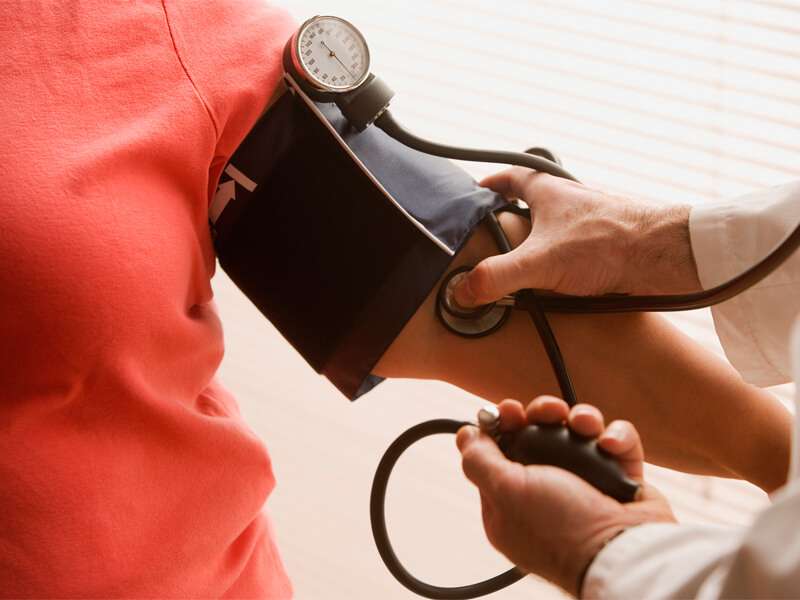
A hypertensive crisis represents a severe elevation in blood pressure that requires immediate medical attention to prevent organ damage. It can be life-threatening if untreated.
- Signs and triggers: Extremely high blood pressure readings (above 180/120 mmHg), accompanied by headaches, blurred vision, chest pain, or shortness of breath suggest this emergency state.
- Diagnostic measures: Repeated blood pressure assessments and evaluation for symptoms indicating damage to organs like heart or kidneys are crucial.
- Treatment approach: Prompt intravenous medications in a hospital setting aim to lower blood pressure safely without causing further complications.
- Expected outcomes: Rapid intervention typically prevents permanent injury; close monitoring after hospital discharge is essential for long-term control.
A hypertensive crisis underscores the importance of regular blood pressure checks and adherence to prescribed therapies.
ACUTE BRONCHITIS

Acute bronchitis is a common respiratory condition characterized by inflammation of the bronchial tubes. It often follows a cold or other respiratory infection and leads to coughing and discomfort.
- Symptoms and causes: Persistent cough producing mucus, chest tightness, fatigue, and sometimes mild fever are typical signs. Viral infections are the predominant cause.
- Diagnosis: A physical examination including listening to lung sounds helps raise suspicion, complemented by patient history. In some cases, a chest X-ray or sputum test may be recommended to rule out pneumonia.
- Treatment options: Management primarily focuses on symptom relief with rest, hydration, and over-the-counter pain relievers. Antibiotics are rarely needed unless a bacterial infection is confirmed.
- What to expect: Symptoms usually improve within two to three weeks; however, the cough may persist longer. Patients should avoid smoking and irritants during recovery.
Understanding acute bronchitis’s self-limiting nature aids in better care and prevents unnecessary treatments.