
Dr Mahaveer Jang
About Me
Dr Mahaveer Jang
MS
Orthopaedic Surgeons
10 Years Experience
Biography
My Clinic
OPD Hours
| Monday | Morning | 10:00 AM | - | 02:00 PM |
| Evening | 06:00 PM | - | 09:00 PM | |
| Tuesday | Morning | 10:00 AM | - | 02:00 PM |
| Evening | 06:00 PM | - | 09:00 PM | |
| Wednesday | Morning | 10:00 AM | - | 02:00 PM |
| Evening | 06:00 PM | - | 09:00 PM | |
| Thursday | Morning | 10:00 AM | - | 02:00 PM |
| Evening | 06:00 PM | - | 09:00 PM | |
| Friday | Morning | 10:00 AM | - | 02:00 PM |
| Evening | 06:00 PM | - | 09:00 PM | |
| Saturday | Morning | 10:00 AM | - | 02:00 PM |
| Evening | 06:00 PM | - | 09:00 PM | |
| Sunday | Morning | 10:00 AM | - | 02:00 PM |
| Evening | 06:00 PM | - | 09:00 PM |
Treatments
Specialised care and treatments offered
CARPAL TUNNEL SYNDROME
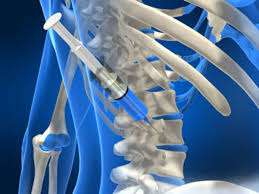
This condition arises when pressure compresses the median nerve within the wrist's carpal tunnel leading to discomfort in hand function. Understanding its management is crucial for affected individuals.
[< ul ][< i ][< b ]Symptoms< [ < l ]CausesA proactive exploration leads patients towards understanding avenues available against carpal tunnel syndrome challenges efficiently.
JOINT REPLACEMENT SURGERY
This procedure involves replacing damaged joints with prosthetic implants to alleviate pain and restore mobility. It is commonly performed on hips and knees affected by arthritis or injury.
- Symptoms: Severe joint pain that limits daily activities along with significant stiffness typically prompts consideration for surgery.
- Causes: Advanced degenerative diseases like osteoarthritis are primary reasons necessitating this intervention.
- Diagnosis: Physical exams alongside advanced imaging techniques will help gauge suitability for replacement surgery based on joint degeneration levels.
- Treatment options: The primary option remains total joint arthroplasty; minimally invasive alternatives exist based on individual assessment criteria.
- What to expect: Post-operative care focuses on pain management、rehabilitation exercises、and gradual resumption of regular activities over time.
Pursuing joint replacement can remarkably enhance life quality for individuals struggling with debilitating pain from joint disorders.
SPORTS INJURIES

Sports injuries encompass various musculoskeletal conditions resulting from athletic activities. Effective management is vital for returning athletes to their sport safely.
- Symptoms: Typically include pain during activity, swelling around affected areas, bruising, and limited range of motion.
- Causes: Injuries can occur due to improper techniques, lack of conditioning، excessive training، or collisions.
- Diagnosis: Assessment usually involves clinical evaluation combined with MRI or X-ray studies if necessary.
- Treatment options: Therapeutic approaches involve rest، physiotherapy، anti-inflammatory drugs، or possibly surgery depending on injury type.
- What to expect: A comprehensive rehabilitation program plays an important role in safe return-to-play strategies post-injury.
An informed understanding of sports injuries contributes significantly toward optimal recovery plans.
TENDON INJURIES

Tendon injuries often stem from overuse or acute trauma. These injuries can affect mobility and functionality in daily activities if not treated promptly.
- Symptoms: Pain around the tendon area during movement is common alongside swelling and tenderness.
- Causes: Repetitive movements in sports or occupations can lead to chronic tendonitis while sudden injuries may cause tears.
- Diagnosis: A comprehensive evaluation including physical tests and imaging studies helps ascertain the extent of tendon damage.
- Treatment options: Initial management typically includes rest, ice application, anti-inflammatory medications; more severe cases might require surgical repair.
- What to expect: Rehabilitation will focus on regaining strength and flexibility through tailored exercises post-treatment.
A proactive approach aids in faster recovery from tendon-related issues.
FRACTURE CARE

Fractures occur when a bone breaks due to trauma or stress. Proper care is essential for healing and restoring function.
- Symptoms: Common signs include immediate pain, swelling at the site of injury, and an inability to use the affected limb.
- Causes: Fractures can result from falls, sports injuries, or accidents involving high-impact force.
- Diagnosis: Physicians typically perform a physical examination followed by X-rays or CT scans to assess the fracture's severity.
- Treatment options: Treatment may range from immobilization with casts to surgical intervention using plates or rods for complex fractures.
- What to expect: Follow-up appointments are crucial for monitoring healing progress and ensuring proper rehabilitation.
A timely response can significantly enhance recovery outcomes after a fracture.
OSTEOARTHRITIS

Osteoarthritis is a degenerative joint disease that results from the wear and tear of cartilage, leading to pain and stiffness. It commonly affects weight-bearing joints such as the knees, hips, and spine.
- Symptoms: Patients often experience joint pain, swelling, and reduced flexibility.
- Causes: Factors include aging, obesity, previous joint injuries, and excessive stress on the joints.
- Diagnosis: A thorough medical history, physical examination, and imaging tests like X-rays are used to confirm osteoarthritis.
- Treatment options: Management strategies may involve lifestyle changes, physical therapy, medications for pain relief, or surgical interventions in severe cases.
- What to expect: Early intervention can effectively manage symptoms and improve quality of life.
Understanding osteoarthritis empowers individuals to take proactive steps toward joint health and mobility.