
Dr Madhulika Singh
About Me
Dr Madhulika Singh
MS
Orthopaedic Surgeons
10 Years Experience
Biography
My Clinic
OPD Hours
| Monday | Morning | 10:00 AM | - | 02:00 PM |
| Evening | 06:00 PM | - | 09:00 PM | |
| Tuesday | Morning | 10:00 AM | - | 02:00 PM |
| Evening | 06:00 PM | - | 09:00 PM | |
| Wednesday | Morning | 10:00 AM | - | 02:00 PM |
| Evening | 06:00 PM | - | 09:00 PM | |
| Thursday | Morning | 10:00 AM | - | 02:00 PM |
| Evening | 06:00 PM | - | 09:00 PM | |
| Friday | Morning | 10:00 AM | - | 02:00 PM |
| Evening | 06:00 PM | - | 09:00 PM | |
| Saturday | Morning | 10:00 AM | - | 02:00 PM |
| Evening | 06:00 PM | - | 09:00 PM | |
| Sunday | Morning | 10:00 AM | - | 02:00 PM |
| Evening | 06:00 PM | - | 09:00 PM |
Treatments
Specialised care and treatments offered
HIP BURSITIS
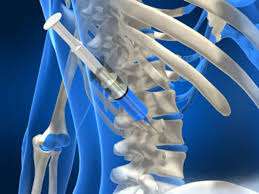
This condition occurs when bursae—small fluid-filled sacs cushioning bones—become inflamed around the hip joint due to overuse or injury. Bursitis leads directly toward significant discomfort impacting mobility during routine movements throughout daily activities.
- Commonly reported symptoms include localized hip pain exacerbated by walking up inclines or climbing stairs while accompanied sometimes by stiffness afterward following prolonged resting phases within sedentary lifestyles regularly observed among audiences today!
- Confirmatory diagnostics usually involves clinical examination focusing both practical assessments alongside possibly imaging technologies inclusive x-ray evaluations providing additional clarity regarding potential underlying issues leading toward prevailing symptoms!
- Treatment plans initiated may contain tailored recommendations encouraging activity modifications coupled concurrently utilizing anti-inflammatory medication aiming toward discomfort alleviation while integrating adjunctive supports like physiotherapy sessions safeguarding proper healing transitions achieved timely!
- In severe situations requiring surgical evaluation exists where aspiration procedures serve suitably before considering other intervention types directed at restoring full-functionality across hip-joint complexes eventually realizing great outcomes within manageable timeframes once again!
- Understanding these aspects surrounding hip bursitis enables patients initiating sound strategies accommodating swift recoveries preparing them fully engaged once more amidst vibrant lifestyles enjoyed previously prior onset violations encountered unexpectedly!
Total comprehension aids cultivating proactivity designed effectively towards ensuring freedom experienced amidst heightened living styles at large!
TENNIS ELBOW (LATERAL EPICONDYLITIS)

Tennis elbow is characterized by pain on the outer part of the elbow due to inflammation of tendons attached to that area. Despite its name, it can occur in non-athletes due to repetitive arm motions associated with various occupations or activities.
- Main symptoms encompass tenderness at elbow site along with difficulties extending your arm fully without discomfort during certain tasks involving grip strength.
- The diagnosis is typically made through clinical assessment examining both your medical history alongside guided movement assessments.
- Management begins conservatively via resting affected arm supplemented by stretching protocols combined with therapeutic modalities like ice therapy.
- Should these approaches yield limited results then further steps could involve injections specifically targeting inflammation before considering surgical avenues aimed at tendon repair if all else fails.
- Importantly patients should expect gradual improvement realized through diligent adherence towards physical therapy regimens resulting in reduced pain levels alongside enhanced function post-injury recovery.
A solid grasp about tennis elbow lets one appreciate self-care measures enabling swift return back into desired daily routines!
PLANTAR FASCIITIS

This condition arises from inflammation of the plantar fascia which connects the heel bone to the toes. It commonly causes heel pain during activities or after prolonged periods of rest, making walking painful for many individuals.
- The most notable symptom is a sharp pain near the heel that typically worsens first thing in the morning or after sitting for an extended period.
- A healthcare provider usually diagnoses this by reviewing medical history alongside a physical examination focused on foot mechanics.
- Treatment is multifaceted including stretching exercises, orthotics for footwear support, ice applications, and anti-inflammatory medications as needed for relief.
- If conservative methods fail over time, further interventions like shockwave therapy or even surgery might be considered on a case-by-case basis.
- Persistent management strategies help prevent recurrence while ensuring functional mobility continues smoothly for patients navigating everyday challenges.
Your understanding of plantar fasciitis can empower you to make sound choices regarding your treatment journey towards healing!
CARPAL TUNNEL SYNDROME

This syndrome occurs when the median nerve becomes compressed at the wrist. Carpal tunnel syndrome is often seen in individuals who perform repetitive hand movements or those with underlying health conditions like diabetes.
- The primary symptoms include numbness, tingling, and weakness in the hand and fingers, particularly at night.
- A thorough physical exam along with nerve conduction studies may help confirm the diagnosis after assessing symptom patterns.
- Treatment modalities often start with conservative options such as wrist splints or corticosteroid injections aimed at reducing inflammation.
- If symptoms persist despite non-surgical interventions, surgery may be necessary to relieve pressure on the median nerve.
- Post-treatment recovery focuses on regaining strength and functionality through appropriate therapies tailored to individual needs.
A clear understanding of carpal tunnel syndrome can lead to effective management strategies for improved daily functioning.
ROTATOR CUFF TEAR

A rotator cuff tear is an injury that affects the group of muscles and tendons stabilizing the shoulder joint. This condition can result from acute injuries or degenerative changes associated with aging or repetitive overhead activities.
- The most common symptoms include shoulder pain, weakness when lifting objects, and difficulty performing overhead movements.
- Diagnosis may require a thorough clinical examination along with imaging tests such as ultrasound or MRI to assess the extent of the tear.
- Treatment may begin with conservative methods including rest, physical therapy, and anti-inflammatory medication to relieve symptoms.
- If non-surgical approaches are ineffective, surgical options like arthroscopic repair may be recommended to restore function.
- Recovering from a rotator cuff tear typically involves rehabilitation and gradual return to activities over several months.
An informed approach aids in managing symptoms effectively while allowing for optimal recovery outcomes.
OSTEOARTHRITIS

Osteoarthritis is a degenerative joint disease that occurs when the cartilage protecting the joints wears down over time. This condition can affect any joint in the body, but it commonly impacts weight-bearing joints such as the knees and hips.
- Symptoms include pain, stiffness, swelling, and decreased range of motion in affected joints.
- The diagnosis often involves a combination of physical examinations, imaging tests like X-rays or MRIs, and patient history.
- Treatment options can range from lifestyle modifications and physical therapy to medications for pain relief and anti-inflammatory effects.
- In more severe cases, surgical interventions such as joint replacement may be necessary.
- Patients can expect to engage in ongoing management strategies to maintain function and minimize discomfort.
Understanding osteoarthritis empowers patients to seek appropriate care and improve their quality of life through informed decisions.