
Dr M Shafi Qazi
About Me
Dr M Shafi Qazi
MBBS
Dermatologist
10 Years Experience
Biography
My Clinic
OPD Hours
| Monday | Morning | 10:00 AM | - | 02:00 PM |
| Evening | 06:00 PM | - | 09:00 PM | |
| Tuesday | Morning | 10:00 AM | - | 02:00 PM |
| Evening | 06:00 PM | - | 09:00 PM | |
| Wednesday | Morning | 10:00 AM | - | 02:00 PM |
| Evening | 06:00 PM | - | 09:00 PM | |
| Thursday | Morning | 10:00 AM | - | 02:00 PM |
| Evening | 06:00 PM | - | 09:00 PM | |
| Friday | Morning | 10:00 AM | - | 02:00 PM |
| Evening | 06:00 PM | - | 09:00 PM | |
| Saturday | Morning | 10:00 AM | - | 02:00 PM |
| Evening | 06:00 PM | - | 09:00 PM | |
| Sunday | Morning | 10:00 AM | - | 02:00 PM |
| Evening | 06:00 PM | - | 09:00 PM |
Treatments
Specialised care and treatments offered
SEBORRHEIC DERMATITIS
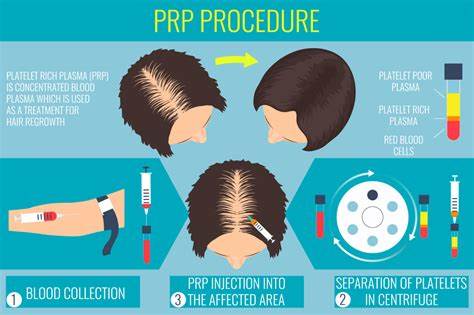
This common inflammatory skin condition leads to flaky scales and redness primarily affecting oily regions such as the scalp (dandruff), face sides, chest folds. It can affect all ages from infants (cradle cap) to adults elderly alike .
- Symptoms / Causes : Greasy yellow-white scales accompanied by itching & redness ; associated with Malassezia yeast overgrowth plus genetic predisposition & environmental factors .
- Diagnosis : Clinical inspection focusing on characteristic distribution & scaling pattern .
- Treatment Options : Antifungal shampoos , topical corticosteroids short-term during flares , medicated cleansers help control symptoms .
- Management Tips : Regular gentle cleansing & avoiding irritants reduces recurrence risk .
Although it tends toward chronicity , effective treatment relieves discomfort & improves cosmetic appearance significantly .
VITILIGO
A condition characterized by loss of pigment-producing cells called melanocytes resulting in well-defined white patches on the skin. It may affect any age group but often starts before age 30.
- Main features/causes:Pale depigmented areas most visible on sun-exposed sites due to autoimmune destruction of melanocytes;
ALOPECIA AREATA
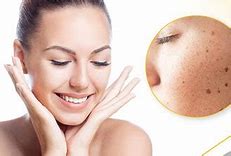
An autoimmune disorder causing sudden hair loss in round patches over the scalp or other body areas. It affects both children and adults unpredictably but typically presents without pain or itching.
- Symptoms/causes: Smooth bald spots with no scarring; immune system mistakenly attacks hair follicles leading to hair shedding.
- Diagnosis: Physical exam supported by dermoscopy or scalp biopsy if needed to exclude other causes of hair loss.
- Treatment methods: Corticosteroid injections into affected areas are first-line; topical immunotherapy or minoxidil may aid regrowth in some cases.
- The course is variable: spontaneous regrowth can occur but recurrences are possible requiring follow-up care.
Counseling patients about its unpredictable nature helps set realistic expectations regarding treatment outcomes over time.
ATOPIC DERMATITIS (ECZEMA)
This inflammatory skin condition primarily affects children but can persist into adulthood. It causes dry, itchy patches that may become raw or infected if scratched excessively.
- Symptoms/causes: Intense itching with red or brownish-gray patches mainly on face, neck, hands; often linked to family history of allergies or asthma.
- Diagnosis: Based on clinical features and patient’s history of allergic diseases.
- Treatment/management: Regular use of moisturizers to repair the skin barrier; topical corticosteroids during flare-ups; antihistamines for itch relief.
- Avoidance strategies: Identifying and steering clear of irritants like harsh soaps or allergens is crucial for control.
The goal of therapy is symptom relief while preventing complications through consistent skincare routines tailored to individual needs.
PSORIASIS
This chronic autoimmune disorder manifests as red, scaly patches on the skin due to accelerated skin cell production. Psoriasis can affect any age group but often appears in early adulthood.
- Symptoms/causes: Raised plaques covered with silvery scales commonly on elbows, knees, scalp; triggered by genetics, stress, infections.
- Diagnosis: Clinical evaluation along with possible skin biopsy for uncertain cases.
- Treatment approaches: Topical corticosteroids, vitamin D analogs; phototherapy for moderate cases; systemic agents or biologics targeting immune pathways in severe disease.
- What to expect: Flare-ups and remissions are typical; ongoing management helps control symptoms effectively.
Lifestyle measures like moisturizing regularly and avoiding triggers complement medical therapies to maintain healthy skin over time.
ACNE VULGARIS
Acne vulgaris is a common skin condition, especially affecting adolescents and young adults. It results from inflammation and blockage of hair follicles and oil glands, leading to pimples and sometimes cysts.
- Symptoms/causes: Blackheads, whiteheads, papules, pustules; caused by excess oil production, bacteria, and hormonal changes.
- Diagnosis: Usually based on physical examination of the skin’s lesions and patient history.
- Treatment options: Topical treatments like retinoids and antibiotics; oral medications for severe cases including hormonal therapy or isotretinoin.
- Management: Regular gentle cleansing; avoiding oily cosmetics; not squeezing lesions to reduce scarring risk.
Though acne can be persistent, appropriate treatment can significantly improve skin appearance and prevent long-term scarring with consistent care.