
Dr M S LAL
About Me
Dr M S LAL
MBBS
Dermatologist
10 Years Experience
Biography
My Clinic
OPD Hours
| Monday | Morning | 10:00 AM | - | 02:00 PM |
| Evening | 06:00 PM | - | 09:00 PM | |
| Tuesday | Morning | 10:00 AM | - | 02:00 PM |
| Evening | 06:00 PM | - | 09:00 PM | |
| Wednesday | Morning | 10:00 AM | - | 02:00 PM |
| Evening | 06:00 PM | - | 09:00 PM | |
| Thursday | Morning | 10:00 AM | - | 02:00 PM |
| Evening | 06:00 PM | - | 09:00 PM | |
| Friday | Morning | 10:00 AM | - | 02:00 PM |
| Evening | 06:00 PM | - | 09:00 PM | |
| Saturday | Morning | 10:00 AM | - | 02:00 PM |
| Evening | 06:00 PM | - | 09:00 PM | |
| Sunday | Morning | 10:00 AM | - | 02:00 PM |
| Evening | 06:00 PM | - | 09:00 PM |
Treatments
Specialised care and treatments offered
NAIL DISORDER EVALUATION
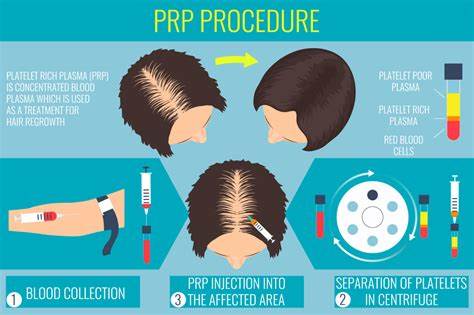
Nail disorders often reflect underlying systemic issues or localized infections requiring thorough evaluation. Changes such as discoloration, thickening or brittleness warrant specialist attention. < st rong Symptoms/ causes : Traumatic injury , fungal infections , psoriasis , nutritional deficiencies ; < st rong Diagnosis : Detailed clinical exam supported by dermoscopy & laboratory tests (fungal cultures); < l i >< st rong Treatment / management : Depends on etiology – antifungals , corticosteroids , nutritional supplements ; < l i >< st rong What to expect : Most conditions respond well with timely treatment though nail growth is slow , requiring patience ;
Early assessment leads to proper therapy minimizing complications like permanent deformity or infection spread.
ACNE VULGARIS MANAGEMENT
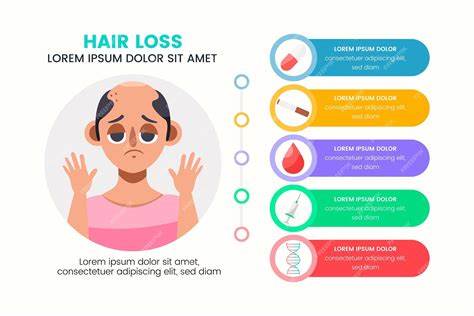
Treating acne vulgaris involves addressing clogged pores, excess oil production, bacteria, and inflammation that cause pimples commonly seen on face and upper body. Early intervention improves outcomes significantly.
PHOTOTHERAPY
The use of controlled ultraviolet (UV) light exposures treats certain chronic inflammatory skin diseases like psoriasis and vitiligo. Phototherapy helps regulate immune response within affected skin areas promoting healing and symptom relief.
- Symptoms/causes: Indicated for conditions unresponsive to topical therapies presenting as scaling plaques or depigmentation patches.
DERMOSCOPY
Dermoscopy enhances the visualization of pigmented and non-pigmented skin lesions, aiding in early diagnosis of melanoma and other skin cancers. This non-invasive technique uses magnification and light to reveal structures beneath the epidermis.
- Symptoms/causes: Useful for examining atypical moles, new growths, or changes in existing lesions.
- Diagnosis: Provides detailed images allowing differentiation between benign and malignant features without initial biopsy.
- Treatment/management: Guides decision-making on monitoring versus excision based on lesion characteristics.
- What to expect: Quick procedure performed during consultation; results help determine need for further interventions.
Dermoscopy increases diagnostic accuracy while minimizing unnecessary procedures in managing suspicious skin findings.
PATCH TESTING
Patch testing is an essential method to identify allergens responsible for contact dermatitis. It involves applying patches containing potential allergens onto the skin to observe reactions over time.
- Symptoms/causes: Indicated when patients experience itchy, inflamed patches possibly due to allergic contact with substances like metals, fragrances, or preservatives.
- Diagnosis: Patches remain on the back for 48 hours and are evaluated after removal and again at 72-96 hours.
- Treatment/management: Avoidance of identified allergens is key along with topical treatments to reduce inflammation.
- What to expect: The test is painless; mild redness or itching at test sites may occur as part of the response.
This technique effectively pinpoints triggers making personalized allergy management possible.
SKIN BIOPSY
A skin biopsy is a crucial diagnostic procedure used to analyze abnormal or suspicious skin lesions. It helps in determining whether a lesion is benign, malignant, or indicative of other skin disorders.
- Symptoms/causes: Performed when there are unusual moles, persistent rashes, or growths that require further examination.
- Diagnosis: Involves removing a small sample of skin tissue under local anesthesia for microscopic evaluation.
- Treatment/management: The procedure is minimally invasive and typically results in minimal discomfort and scarring.
- What to expect: Patients can expect a short recovery period; results guide further treatment strategies including surgery or medical therapy.
This procedure provides vital information to tailor the most appropriate treatment plan for various dermatologic conditions.