
Dr M S Arora
About Me
Dr M S Arora
MBBS
General Physician
10 Years Experience
Biography
My Clinic
OPD Hours
| Monday | Morning | 10:00 AM | - | 02:00 PM |
| Evening | 06:00 PM | - | 09:00 PM | |
| Tuesday | Morning | 10:00 AM | - | 02:00 PM |
| Evening | 06:00 PM | - | 09:00 PM | |
| Wednesday | Morning | 10:00 AM | - | 02:00 PM |
| Evening | 06:00 PM | - | 09:00 PM | |
| Thursday | Morning | 10:00 AM | - | 02:00 PM |
| Evening | 06:00 PM | - | 09:00 PM | |
| Friday | Morning | 10:00 AM | - | 02:00 PM |
| Evening | 06:00 PM | - | 09:00 PM | |
| Saturday | Morning | 10:00 AM | - | 02:00 PM |
| Evening | 06:00 PM | - | 09:00 PM | |
| Sunday | Morning | 10:00 AM | - | 02:00 PM |
| Evening | 06:00 PM | - | 09:00 PM |
Treatments
Specialised care and treatments offered
ACUTE URINARY TRACT INFECTION (UTI)
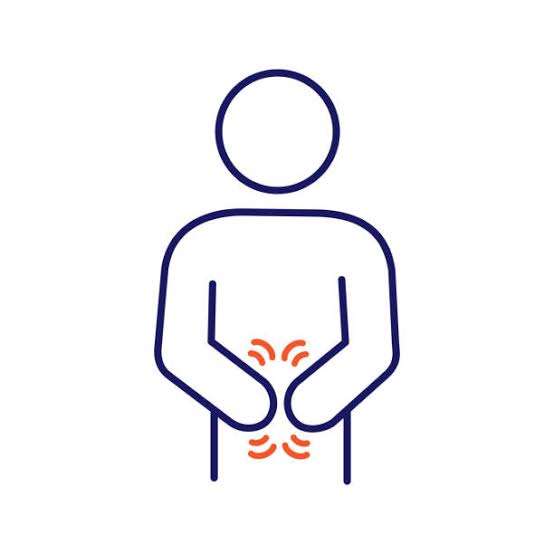
The urinary tract includes kidneys, bladder and urethra which can become infected causing pain & discomfort requiring prompt care especially in acute cases.
GASTROENTERITIS

An inflammation of the stomach and intestines usually caused by viral or bacterial infection leading to digestive upset. It commonly presents across all age groups globally.
COMMUNITY-ACQUIRED PNEUMONIA

This infection affects lung tissue acquired outside hospital settings causing inflammation and impaired breathing. Prompt diagnosis improves outcomes significantly.
- Causative factors & symptoms: Bacterial pathogens commonly cause sudden onset fever, chills, productive cough with sputum, chest pain worsened by breathing or coughing.
- Evidencing diagnosis: Physical exam reveals crackles on lung auscultation; chest X-ray confirms presence of infiltrates alongside laboratory markers indicating infection severity.
- Treatment options: Antibiotic courses tailored according to suspected organisms along with supportive care like oxygen therapy if needed;
DIABETIC KETOACIDOSIS (DKA)
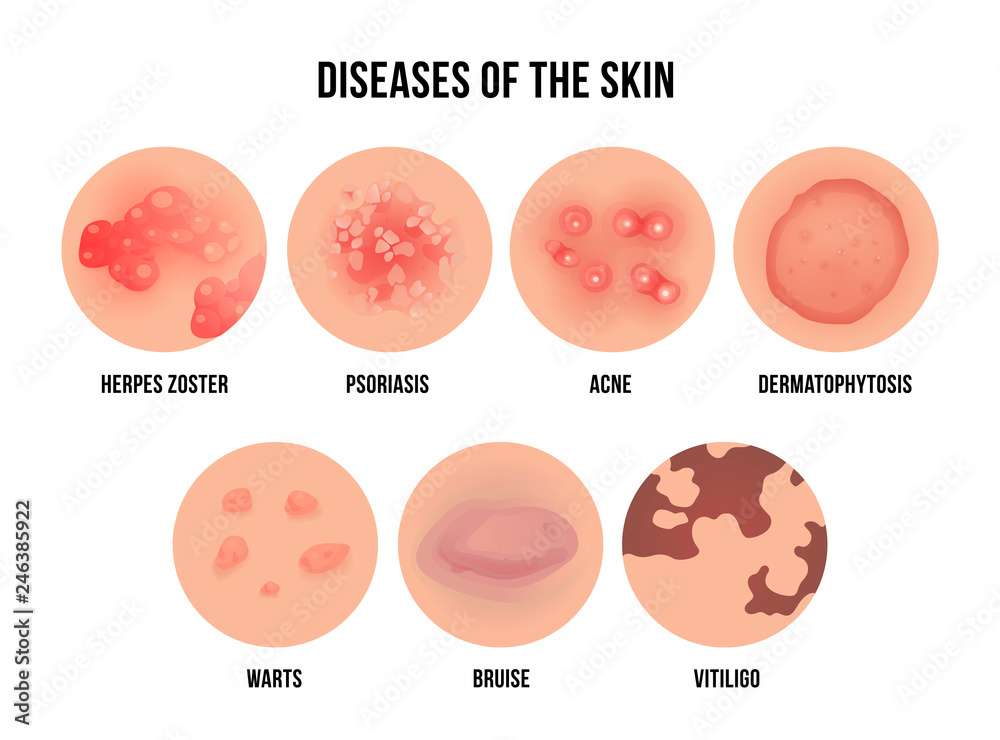
Diabetic ketoacidosis is a life-threatening complication of diabetes characterized by high blood sugar levels combined with acid buildup in the body. It results from insulin deficiency leading to metabolic imbalance.
- Signs and triggers: Common indicators include excessive thirst, frequent urination, nausea, abdominal pain, fruity-smelling breath, and rapid breathing; often precipitated by infection or missed insulin doses.
- Diagnostic measures: Blood glucose tests, ketone detection in urine/blood, arterial blood gas analysis for acidosis confirmation.
- Treatment modalities: Requires immediate hospitalization for fluid replacement, insulin therapy, electrolyte correction, and monitoring of vital parameters.
- Recovery outlook: With timely treatment, patients recover well though ongoing diabetes management is critical to prevent recurrence.
A swift response saves lives during DKA episodes. Education on recognizing early symptoms empowers patients for earlier intervention.
HYPERTENSIVE EMERGENCY
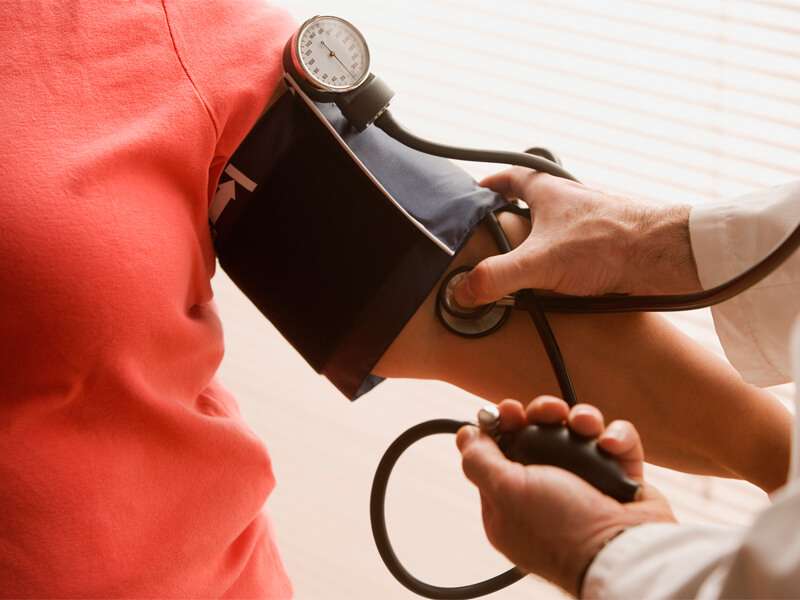
A hypertensive emergency occurs when blood pressure rises rapidly to dangerously high levels causing organ damage. Immediate medical attention is crucial to prevent serious complications.
- Causes and symptoms: Markedly elevated blood pressure often above 180/120 mmHg accompanied by symptoms such as severe headache, chest pain, shortness of breath, or neurological deficits.
- Diagnosis: Rapid blood pressure measurement combined with evaluation for signs of organ injury via lab tests and imaging studies.
- Treatment approach: Controlled but prompt blood pressure reduction using intravenous medications in a hospital setting to minimize damage.
- Monitoring expectations: Close observation in ICU is essential until stabilization; long-term control strategies follow acute management.
This condition demands urgent care to reduce mortality risk. Proper follow-up can prevent future crises through lifestyle and medication adherence.
ACUTE BRONCHITIS
Acute bronchitis is an inflammation of the airways that leads to a persistent cough and mucus production. It usually follows a cold or respiratory infection and affects people of all ages.
- Symptoms and causes: It typically presents with coughing, wheezing, chest discomfort, and sometimes mild fever. Viral infections are the most common cause.
- Diagnosis: Doctors primarily rely on clinical evaluation, including patient history and physical examination; sometimes a chest X-ray helps exclude pneumonia.
- Treatment: Management involves rest, hydration, using cough suppressants or expectorants as needed, and avoiding irritants like smoke.
- What to expect: Symptoms generally improve within one to three weeks; antibiotics are rarely required unless bacterial infection is suspected.
This condition is usually self-limiting with proper supportive care. Monitoring symptoms ensures timely intervention if complications develop.