
Dr M K Bansal
About Me
Dr M K Bansal
MD
Diabetologist
10 Years Experience
Biography
My Clinic
OPD Hours
| Monday | Morning | 10:00 AM | - | 02:00 PM |
| Evening | 06:00 PM | - | 09:00 PM | |
| Tuesday | Morning | 10:00 AM | - | 02:00 PM |
| Evening | 06:00 PM | - | 09:00 PM | |
| Wednesday | Morning | 10:00 AM | - | 02:00 PM |
| Evening | 06:00 PM | - | 09:00 PM | |
| Thursday | Morning | 10:00 AM | - | 02:00 PM |
| Evening | 06:00 PM | - | 09:00 PM | |
| Friday | Morning | 10:00 AM | - | 02:00 PM |
| Evening | 06:00 PM | - | 09:00 PM | |
| Saturday | Morning | 10:00 AM | - | 02:00 PM |
| Evening | 06:00 PM | - | 09:00 PM | |
| Sunday | Morning | 10:00 AM | - | 02:00 PM |
| Evening | 06:00 PM | - | 09:00 PM |
Treatments
Specialised care and treatments offered
DIABETIC NEUROPATHY TREATMENTS
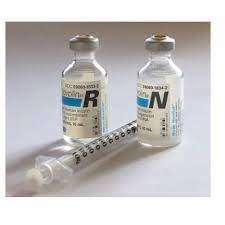
Diabetic neuropathy involves nerve damage resulting from high blood sugar levels over time. Effective treatments aim not only at alleviating symptoms but also at slowing disease progression.
- # Symptoms:The condition may manifest as pain, tingling sensations in extremities, or complete loss of feeling in some areas....[if !supportLists]-->
- , [if !supportLists]--> '', ''---'1.'---' Label Count:, ('4 total')'Some sentences here may have 'bullet-pointed' elements;`='
BARIATRIC SURGERY FOR DIABETIC PATIENTS
Bariatric surgery is an effective intervention for obese patients suffering from type 2 diabetes. This surgical procedure can lead to significant weight loss and improved metabolic health.
- Causes: Weight gain often exacerbates insulin resistance; therefore, bariatric surgery aims at reducing body mass index (BMI).
- Diagnosis: Candidates undergo rigorous screening processes including medical histories and psychological evaluations before surgery is deemed appropriate.
- Treatment/Management Options: Various techniques such as gastric bypass or sleeve gastrectomy may be employed based on individual cases.
Bariatric surgery has been shown to result in remission of type 2 diabetes in many patients within weeks of the procedure, making it a transformative option for some.
DIABETES SELF-MANAGEMENT EDUCATION
Diabetes self-management education (DSME) empowers individuals by providing crucial knowledge about managing their condition. It encompasses essential skills that help in making informed health choices.
- Symptoms: Poor self-management can lead to complications like neuropathy or retinopathy if not understood correctly.
- Diagnosis: Assessment involves understanding a patient’s knowledge gaps regarding diabetes management techniques.
- Treatment/Management Options: DSME programs include dietary guidance, exercise recommendations, medication management, and stress reduction strategies tailored to individual needs.
- What to Expect: Participants often report increased confidence in managing their health and better glycemic control following education sessions.
This educational approach aims to reduce complications associated with diabetes through proactive patient engagement.
INSULIN PUMP THERAPY
Insulin pump therapy is an advanced treatment option for managing diabetes that allows for continuous delivery of insulin. This method offers flexibility and precise control over insulin administration.
- Causes: Insulin pumps are ideal for individuals who require fine-tuning in insulin delivery due to variable lifestyles or complicated diabetes management needs.
- Diagnosis: A healthcare provider evaluates the patient's diabetes history and current management methods before recommending a pump.
- Treatment/Management Options: The device delivers basal rates of insulin continuously and can be adjusted for meals or activities.
- What to Expect: Patients typically experience improved blood sugar levels and greater freedom from having to inject insulin multiple times daily.
This therapy often leads to enhanced quality of life for those with diabetes.
CONTINUOUS GLUCOSE MONITORING
Continuous Glucose Monitoring (CGM) is a revolutionary method for tracking glucose levels throughout the day and night. Unlike traditional monitoring, CGM provides real-time data, which can significantly improve diabetes management.
- Symptoms: Fluctuations in blood sugar can cause symptoms such as fatigue, excessive thirst, and frequent urination.
- Diagnosis: A suitable CGM device is typically recommended after an assessment of blood sugar patterns and personal lifestyle factors.
- Treatment/Management Options: Patients receive a small sensor placed under the skin that communicates with a display device to provide continuous glucose readings.
- Expectations: Users will gain insights into their glucose trends, helping to make informed decisions about food intake, activity levels, and insulin administration.
This technology offers empowerment by allowing patients to take control of their health more effectively.