
Dr M Idrees
About Me
Dr M Idrees
MBBS
Internal Medicine
10 Years Experience
Biography
My Clinic
OPD Hours
| Monday | Morning | 10:00 AM | - | 02:00 PM |
| Evening | 06:00 PM | - | 09:00 PM | |
| Tuesday | Morning | 10:00 AM | - | 02:00 PM |
| Evening | 06:00 PM | - | 09:00 PM | |
| Wednesday | Morning | 10:00 AM | - | 02:00 PM |
| Evening | 06:00 PM | - | 09:00 PM | |
| Thursday | Morning | 10:00 AM | - | 02:00 PM |
| Evening | 06:00 PM | - | 09:00 PM | |
| Friday | Morning | 10:00 AM | - | 02:00 PM |
| Evening | 06:00 PM | - | 09:00 PM | |
| Saturday | Morning | 10:00 AM | - | 02:00 PM |
| Evening | 06:00 PM | - | 09:00 PM | |
| Sunday | Morning | 10:00 AM | - | 02:00 PM |
| Evening | 06:00 PM | - | 09:00 PM |
Treatments
Specialised care and treatments offered
OSTEOARTHRITIS MANAGEMENT
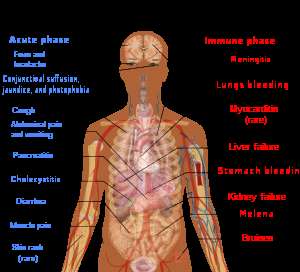
A degenerative joint condition commonly affecting knees hips hands results from cartilage breakdown leading to pain and stiffness. Early management slows progression effectively.
GASTROESOPHAGEAL REFLUX DISEASE (GERD)
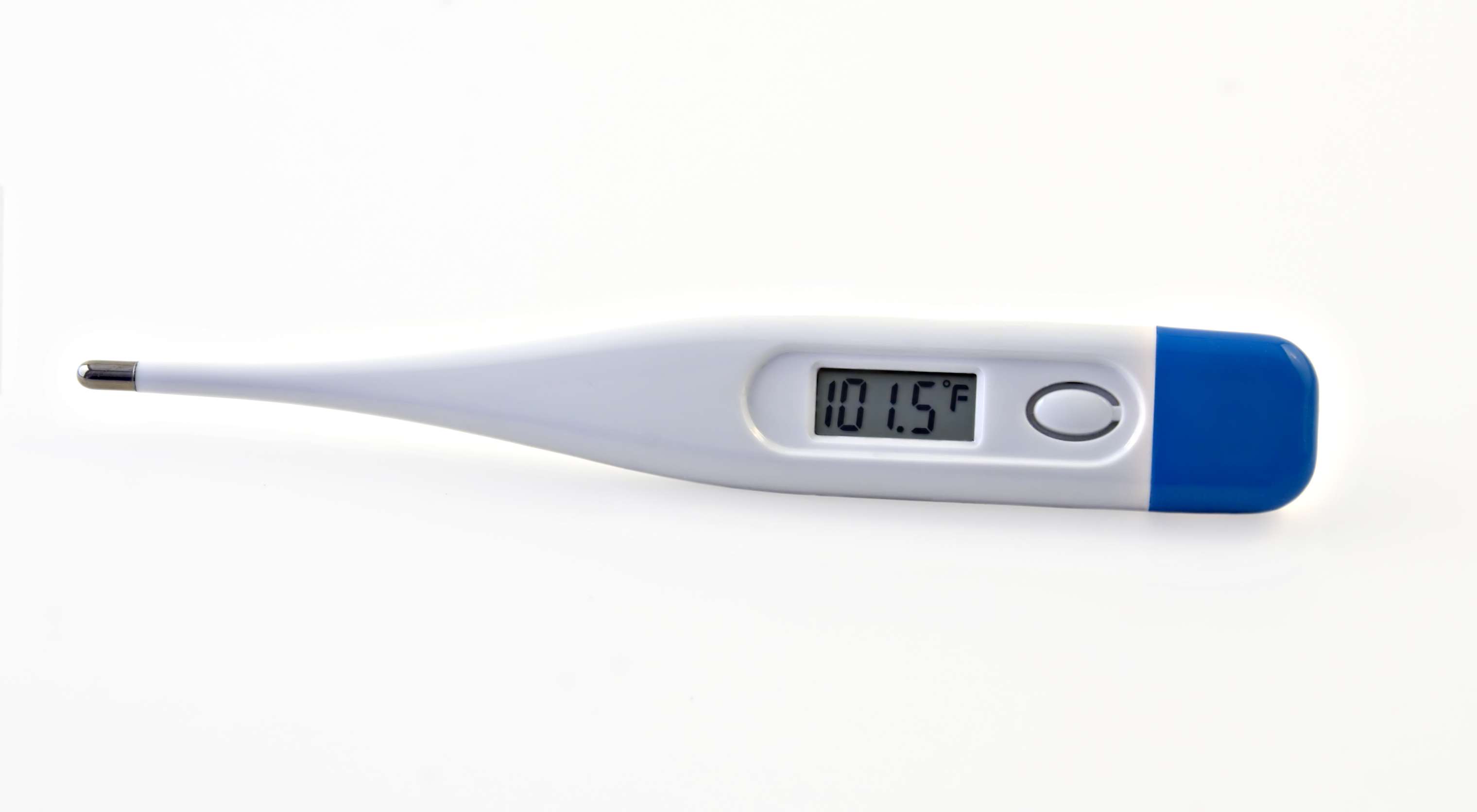
This condition arises when stomach acid frequently flows back into the esophagus causing discomfort. Timely intervention prevents complications like esophagitis or strictures.
HYPERLIPIDEMIA TREATMENT
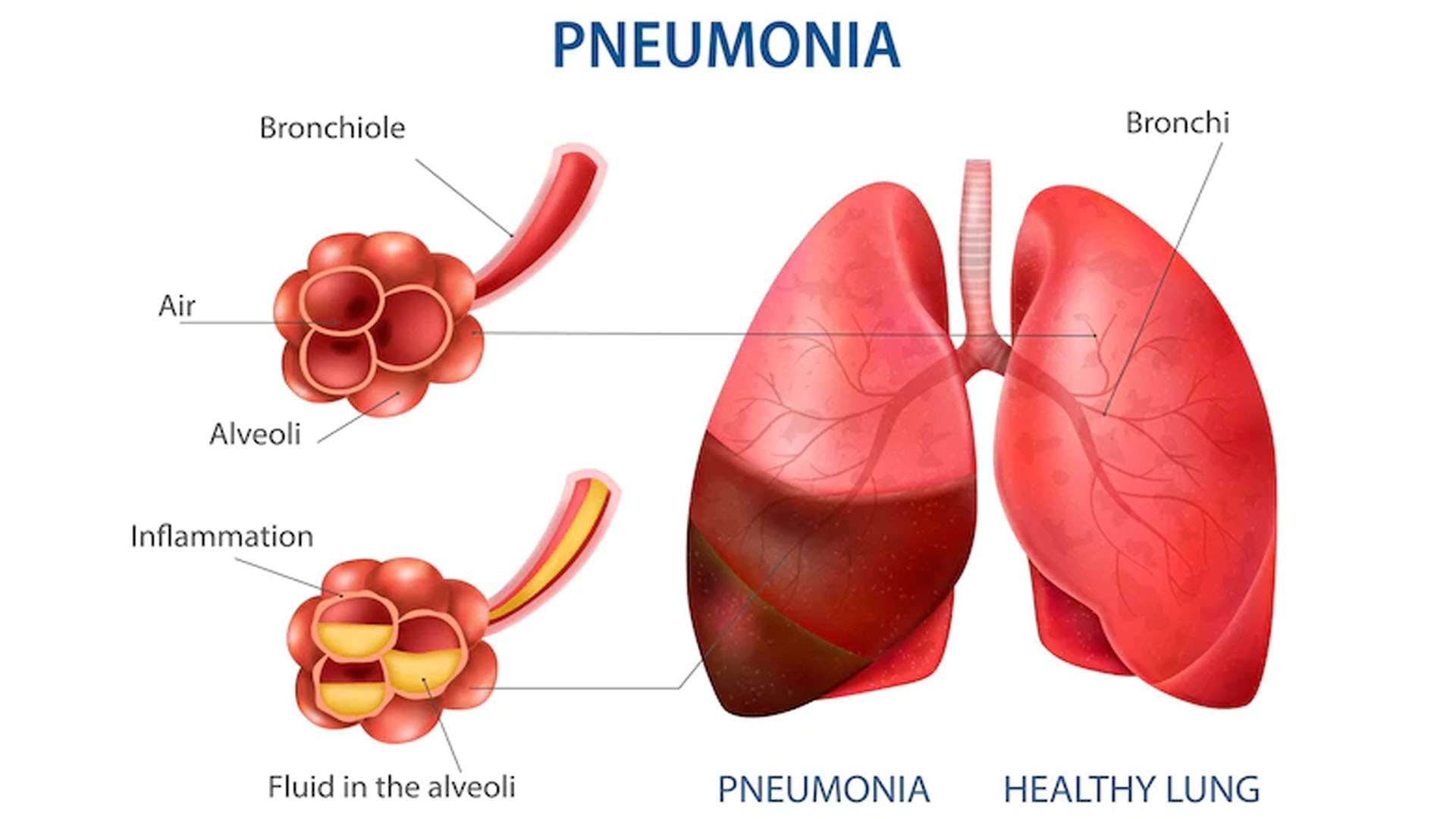
An imbalance of lipids in the bloodstream increases the risk for cardiovascular disease. Monitoring cholesterol levels plays an essential role in health maintenance.
- Causative Factors & Symptoms: Often asymptomatic initially but linked with unhealthy diets high in saturated fats and genetic predisposition.
- Diagnostic Testing:
CHRONIC OBSTRUCTIVE PULMONARY DISEASE (COPD) CARE
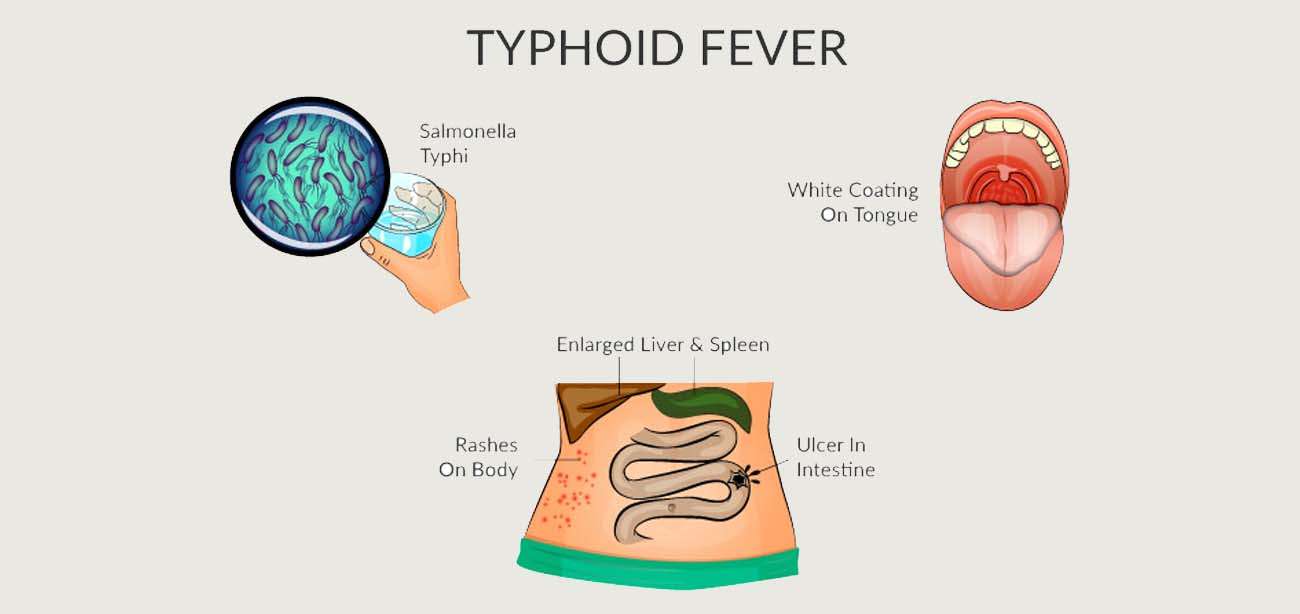
COPD is a progressive lung condition mainly caused by smoking that results in breathing difficulties. Early recognition is important for better management outcomes.
- Main Causes & Symptoms: Includes chronic cough, mucus production, shortness of breath; tobacco exposure being primary cause.
- How It's Diagnosed: Pulmonary function tests measuring airflow limitation confirm COPD presence and severity.
- Treatment Strategies: Smoking cessation support, bronchodilator inhalers, pulmonary rehabilitation exercises are key components.
- Lifestyle Adjustments: Avoiding respiratory irritants and vaccinations against infections can prevent exacerbations.
An integrated treatment approach helps improve breathing capacity and reduces flare-ups over time.
TYPE 2 DIABETES MELLITUS
This metabolic disorder affects how your body uses glucose, leading to elevated blood sugar levels. It requires ongoing management to prevent complications.
- Symptoms & Causes: Increased thirst, frequent urination, fatigue; risk factors include obesity, family history, and inactivity.
- Diagnostic Measures: Blood tests such as fasting glucose and HbA1c levels confirm diagnosis.
- Treatment Options: Lifestyle modification focusing on diet and exercise is foundational; oral hypoglycemic drugs or insulin therapy may be needed depending on severity.
- Expected Outcomes: With effective control of blood sugar through medication and behavior changes, patients can reduce risks of nerve damage or cardiovascular disease.
Lifelong monitoring helps maintain balance in blood glucose and improves quality of life.
HYPERTENSION MANAGEMENT
High blood pressure, or hypertension, is a common condition that can lead to serious health issues if left untreated. It often develops over years and may not show obvious symptoms.
- Causes: Genetics, poor diet, sedentary lifestyle, stress, and underlying health conditions can contribute to elevated blood pressure.
- Diagnosis: Multiple blood pressure measurements taken during different visits help confirm the diagnosis; ambulatory monitoring may also be used.
- Treatment: Lifestyle changes such as a balanced diet, regular exercise, limiting alcohol, and medications like ACE inhibitors or beta-blockers are commonly prescribed.
- Management: Regular follow-up to monitor blood pressure and adjust treatment is crucial for preventing complications like stroke or heart attack.
With proper control and adherence to treatment plans, individuals can maintain a healthy life despite hypertension.