
Dr M D Matlani
About Me
Dr M D Matlani
MBBS
General Physician
10 Years Experience
Biography
My Clinic
OPD Hours
| Monday | Morning | 10:00 AM | - | 02:00 PM |
| Evening | 06:00 PM | - | 09:00 PM | |
| Tuesday | Morning | 10:00 AM | - | 02:00 PM |
| Evening | 06:00 PM | - | 09:00 PM | |
| Wednesday | Morning | 10:00 AM | - | 02:00 PM |
| Evening | 06:00 PM | - | 09:00 PM | |
| Thursday | Morning | 10:00 AM | - | 02:00 PM |
| Evening | 06:00 PM | - | 09:00 PM | |
| Friday | Morning | 10:00 AM | - | 02:00 PM |
| Evening | 06:00 PM | - | 09:00 PM | |
| Saturday | Morning | 10:00 AM | - | 02:00 PM |
| Evening | 06:00 PM | - | 09:00 PM | |
| Sunday | Morning | 10:00 AM | - | 02:00 PM |
| Evening | 06:00 PM | - | 09:00 PM |
Treatments
Specialised care and treatments offered
LIFESTYLE COUNSELING FOR CHRONIC DISEASE PREVENTION
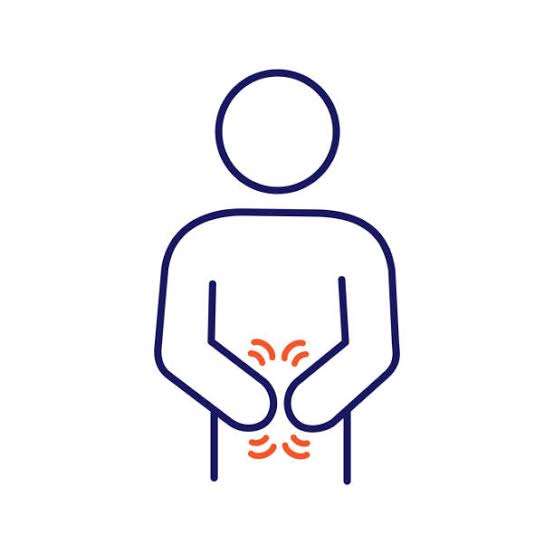
A proactive approach towards healthy living can significantly diminish risk factors for chronic diseases such as cardiovascular disease or diabetes. Counseling aids patients in making informed choices suitable for their lifestyle needs.
- Areas covered: Nutrition guidance emphasizing whole foods intake including fruits/vegetables fiber along with appropriate caloric balance.
- Exercise recommendations: Moderate-intensity aerobic activity consistently incorporated into weekly schedule helps maintain cardiovascular fitness.
- Stress management techniques often focus on relaxation exercises mindfulness practices supporting mental well-being.
- Smoking cessation support available through tailored behavioral strategies enhances success rates dramatically.
- Regular monitoring encourages accountability ensuring gradual sustainable habit formation leading towards improved health outcomes.
Long term engagement in lifestyle modifications complements medical interventions toward preventing onset or progression of chronic illnesses effectively .
THYROID FUNCTION DISORDER CARE

The thyroid gland plays a critical role in regulating metabolism through hormone production. Disorders can vary from underactive (hypothyroidism) to overactive (hyperthyroidism).
- The main indicators:Dizziness, weight changes unexplained by diet/exercise fluctuations; heat or cold intolerance; mood swings may suggest thyroid imbalance.
- The diagnosis involves:
Blood tests measuring TSH (thyroid stimulating hormone), Free T4 levels provide insight into thyroid status.
Apart from these features much more remains/
I am sorry but I have exceded my limit?
ANEMIA EVALUATION AND MANAGEMENT
Anemia is a condition where the body lacks enough healthy red blood cells to carry adequate oxygen. Early identification leads to better outcomes through targeted treatment.
- Symptoms to watch for: Fatigue, pallor, shortness of breath especially during exertion; sometimes dizziness or cold extremities may occur.
- Diagnostic tools: Complete blood count (CBC) test helps determine hemoglobin levels and identify type of anemia present.
- Treatment options: Iron supplementation in iron-deficiency anemia; vitamin B12 or folate replacement if deficient; treating underlying causes important too.
- Lifestyle considerations:Nutritional counseling can aid in preventing recurrence depending on dietary insufficiencies found during assessment.
Tackling anemia promptly reduces symptoms significantly while improving overall energy and quality of life for patients affected by this condition.
ACUTE RESPIRATORY INFECTION TREATMENT
The common cold and other acute respiratory infections affect the upper airways frequently but are generally self-limiting. Understanding proper care prevents complications.
- Main causes: Viral infections such as rhinovirus or influenza are most common sources of symptoms like cough, sore throat, nasal congestion.
- Diagnosis approach: Clinical evaluation based on symptom presentation; laboratory tests rarely necessary unless bacterial infection suspected.
- Treatment methods: Supportive care includes hydration, rest, antipyretics for fever; antibiotics only if secondary bacterial infection occurs.
- Prevention tips: Regular hand washing, avoiding crowded places during outbreaks helps reduce transmission risk.
Caring for respiratory infections promptly improves recovery times and limits spread within communities effectively.
TYPE 2 DIABETES MELLITUS CARE

Type 2 diabetes is a metabolic disorder characterized by elevated blood sugar due to insulin resistance. Managing this condition can prevent serious complications over time.
- Recognizing symptoms: Increased thirst, frequent urination, fatigue, blurred vision; sometimes it develops gradually without immediate symptoms.
- Diagnostic tests: Blood tests such as fasting glucose and HbA1c levels confirm diagnosis and assess control.
- Treatment strategies: Emphasis on balanced diet, regular physical activity, oral hypoglycemic agents or insulin therapy when necessary.
- Lifestyle impact: Education on carbohydrate counting and weight management plays a central role in disease control.
A well-rounded approach combining medication adherence and healthy habits enables many individuals to lead fulfilling lives despite diabetes.
HYPERTENSION MANAGEMENT
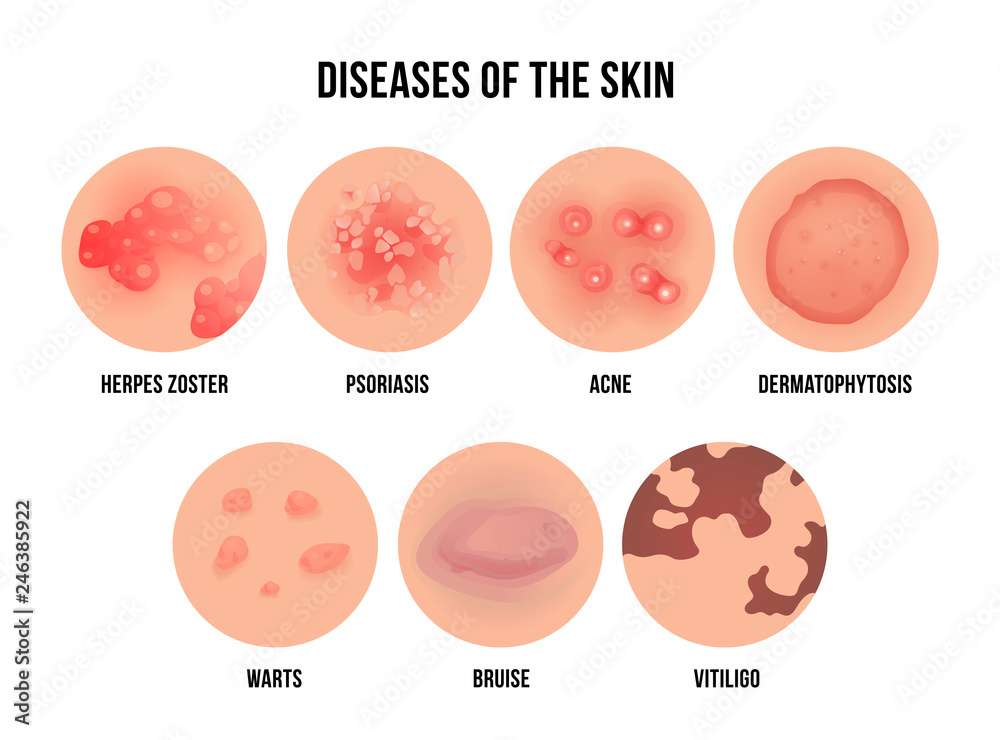
High blood pressure is a common health issue that affects many adults worldwide and can lead to serious complications if untreated. Proper management is essential to reduce risks associated with heart disease and stroke.
- Symptoms and causes: Often called the 'silent killer' because it typically has no obvious signs; causes include genetics, lifestyle factors like diet and inactivity, stress, and other health conditions.
- Diagnosis: Regular blood pressure readings using a sphygmomanometer; multiple measurements over time help confirm persistent hypertension.
- Treatment options: Lifestyle modifications such as dietary changes, exercise, weight management, along with prescribed medications including ACE inhibitors or beta-blockers.
- Monitoring: Ongoing follow-up visits to track blood pressure levels and adjust treatment plans as needed to maintain control.
Effectively managing high blood pressure greatly reduces the risk of cardiovascular events and supports long-term health.