About Me
Dr. Lt Col Sonu Singh
MBBS,M.D
Physical Medicine and Rehabilitation (PM & R)
17 Years Experience
Biography
My Clinic
OPD Hours
| Monday | Evening | 04:00 PM | - | 08:00 PM |
Treatments
Specialised care and treatments offered
FIBROMYALGIA MANAGEMENT
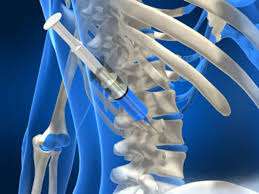
Fibromyalgia is characterized by widespread musculoskeletal pain accompanied by fatigue, sleep issues, and emotional distress. Effective management can significantly alleviate symptoms for individuals living with this condition.
- Main symptoms involve chronic muscle pain across different body parts along with difficulties in concentrating or sleeping well.
- A diagnosis often includes reviewing medical histories accompanied by specific tender points examination during physical assessments.
- Treatment approaches may consist of a blend of medication management alongside cognitive behavioral therapy (CBT) aimed at improving coping mechanisms alongside regular exercise routines for better fitness levels。
- Patients are encouraged to maintain open communication about their experiences as adjustments are made within treatment plans.
A multidisciplinary approach caters effectively towards managing fibromyalgia's complex nature successfully.
SPORTS INJURIES REHABILITATION
Rehabilitation after sports injuries is crucial for athletes seeking to return to their respective sports safely. Various injuries can occur during sports activities ranging from minor sprains to severe ligament tears.
- The symptoms associated with sports injuries may include swelling, bruising, limited movement, or sudden onset of pain during activity.
- Diagnosis often necessitates physical examinations along with imaging techniques like X-rays or MRIs.
- Treatment plans typically involve physiotherapy techniques aimed at restoring strength and flexibility together with functional training.
- Patients should anticipate gradual resumption of sports participation through carefully monitored progress.
An appropriate rehabilitation strategy enhances athletic performance while reducing the risk of re-injury.
MANAGEMENT OF ARTHRITIS

Arthritis encompasses various inflammatory joint diseases that lead to pain and stiffness. Managing arthritis is key for maintaining an active lifestyle despite its challenges.
- Main symptoms include joint pain, swelling, and reduced range of motion affecting daily routines.
- The diagnosis typically includes blood tests and imaging studies to determine inflammation levels and joint damage.
- Treatment options generally involve medications for pain relief along with exercise programs, lifestyle modifications, and sometimes injections for inflammation control.
- Pain management strategies aim at improving daily function while minimizing discomfort associated with arthritis flare-ups.
A proactive management plan can help individuals lead fulfilling lives even when living with arthritis.
POST-OPERATIVE REHABILITATION

After surgery, rehabilitation plays a vital role in ensuring a safe return to normal activities. It focuses on recovery from various surgical interventions such as orthopedic or spinal surgeries.
- Common symptoms include swelling, pain, and limited mobility following surgical procedures.
- Diagnosis involves assessing the extent of recovery needed through physical evaluations post-surgery.
- Treatment strategies may include therapeutic exercises, manual therapy, and modalities like ultrasound for healing enhancement.
- Patients can expect a customized plan created based on individual surgical outcomes to facilitate effective recovery.
A thorough rehabilitation program is instrumental for optimal healing after an operation.
REHABILITATION AFTER STROKE

Stroke rehabilitation is crucial for recovery after experiencing a stroke. The process aims to restore as much function as possible and improve the quality of life.
- Common symptoms of stroke include sudden weakness, difficulty speaking, and loss of balance.
- The diagnosis typically involves imaging tests like CT or MRI scans to assess brain damage.
- Treatment incorporates physical therapy, occupational therapy, and speech therapy to regain skills lost during the stroke.
- Patients should expect gradual improvement over time with ongoing support and personalized exercises.
A comprehensive rehabilitation plan can significantly assist in regaining independence post-stroke.
CHRONIC PAIN MANAGEMENT

Chronic pain is a widespread issue that can severely impact one's quality of life. It often persists longer than three months and may be due to various underlying conditions.
- Symptoms include persistent aches, sharp pain, or discomfort that interferes with daily activities.
- Diagnosis often involves a thorough medical history review, physical examination, and sometimes imaging tests to identify the source.
- Treatment options range from physical therapy, medications, counseling, to lifestyle changes aimed at managing pain effectively.
- Patients can expect a tailored approach focusing on their unique circumstances to enhance functionality.
Managing chronic pain is essential for improving overall well-being and returning to normal activities.