
DR Lokendra Singh
About Me
DR Lokendra Singh
MBBS
General Physician
10 Years Experience
Biography
My Clinic
OPD Hours
| Monday | Morning | 10:00 AM | - | 02:00 PM |
| Evening | 06:00 PM | - | 09:00 PM | |
| Tuesday | Morning | 10:00 AM | - | 02:00 PM |
| Evening | 06:00 PM | - | 09:00 PM | |
| Wednesday | Morning | 10:00 AM | - | 02:00 PM |
| Evening | 06:00 PM | - | 09:00 PM | |
| Thursday | Morning | 10:00 AM | - | 02:00 PM |
| Evening | 06:00 PM | - | 09:00 PM | |
| Friday | Morning | 10:00 AM | - | 02:00 PM |
| Evening | 06:00 PM | - | 09:00 PM | |
| Saturday | Morning | 10:00 AM | - | 02:00 PM |
| Evening | 06:00 PM | - | 09:00 PM | |
| Sunday | Morning | 10:00 AM | - | 02:00 PM |
| Evening | 06:00 PM | - | 09:00 PM |
Treatments
Specialised care and treatments offered
PREVENTIVE HEALTH CHECKUPS
Regular preventive health evaluations play an integral role in detecting early signs of illness before symptoms develop. These checkups empower patients towards lifelong wellness maintenance strategies tailored individually.
- Routine components : Blood pressure measurement , lipid profile , blood glucose testing , BMI calculation among core assessments;
- Risk factor reviews : Family history evaluation helps identify predisposition towards conditions such as heart disease or diabetes;
- Vaccination updates : Reviewing immunization status including influenza vaccines supports community health protection ;
- Lifestyle counseling : Guidance on nutrition , physical activity , smoking cessation enhances overall prognosis ;
By prioritizing scheduled preventive visits alongside personalized advice , patients maintain optimal health status and mitigate future medical problems .
GASTROENTERITIS CARE

This digestive tract condition is characterized by inflammation causing diarrhea and vomiting. Proper hydration and symptom management are essential for recovery at home most times but physician consultation is important when severe symptoms arise.
- Main symptoms & causative agents:Nausea, abdominal cramps often caused by viral infections though bacteria can also be responsible.
- Mild diagnostic steps include clinical evaluation focusing on dehydration signs; stool tests reserved for complicated cases;
- Therapy : Oral rehydration solutions preferred over plain water to restore electrolyte balance ; antiemetics may be recommended;
- When to seek urgent care : Persistent high fever , bloody stools , severe dehydration warrant prompt professional intervention;
Maintaining adequate fluid intake combined with rest accelerates healing while minimizing complications in most gastroenteritis episodes .
SEASONAL ALLERGY (ALLERGIC RHINITIS) TREATMENT

The seasonal allergy known as allergic rhinitis causes uncomfortable nasal symptoms triggered by pollen or other airborne allergens. Managing it can greatly improve daily functioning during allergy seasons.
- Causative factors:Pollen from trees, grass or weeds; dust mites may also contribute in some cases.
- Syndrome features:Sneezing episodes, congestion, itchy eyes/nose/throat typically present during specific months annually.
- Therapeutic options:Avoidance of triggers where possible; antihistamines or nasal corticosteroids prescribed for symptom relief.
- Lifestyle advice:Keeps windows closed during high pollen days; using air purifiers helps minimize exposure indoors.
A proactive approach combining medication with environmental controls allows individuals to lead comfortable lives despite seasonal allergies.
ACUTE UPPER RESPIRATORY TRACT INFECTION (COMMON COLD) MANAGEMENT
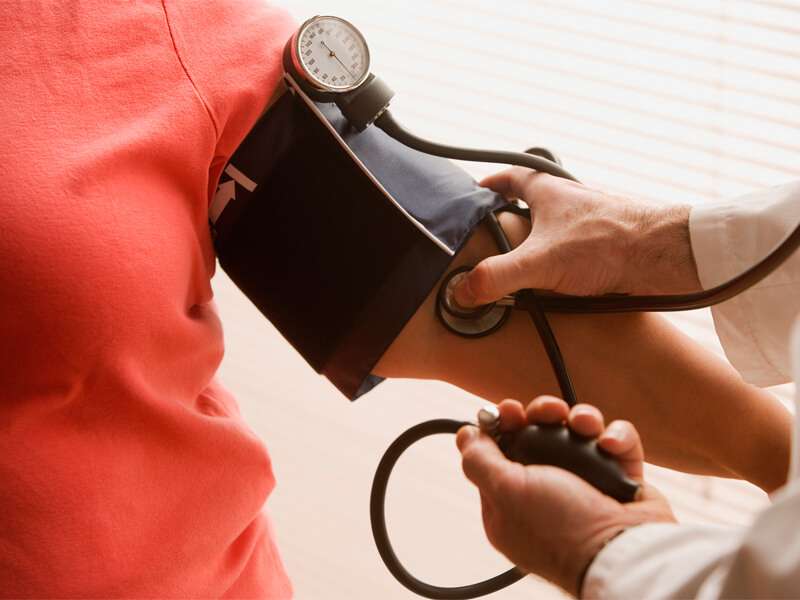
The common cold affects the nose and throat due to viral infections. Although usually self-limiting, proper symptomatic care aids comfort and recovery.
- Typical symptoms: Sneezing, sore throat, runny nose, mild cough, low-grade fever.
- Diagnosis: Clinical evaluation based on history and physical exam; lab tests rarely required.
- Treatment: Supportive care including rest, hydration, over-the-counter pain relievers nasal decongestants; antibiotics generally not indicated unless bacterial infection suspected.
- Prevention tips: Frequent hand washing and avoiding close contact reduce transmission risk during peak seasons.
The common cold usually resolves within one to two weeks; however, persistent or worsening symptoms should prompt further medical assessment.
TYPE 2 DIABETES MELLITUS CARE
Type 2 diabetes is a chronic condition where the body struggles to regulate blood sugar levels properly. Comprehensive care focuses on preventing complications through consistent management.
- Symptoms & causes: Increased thirst, frequent urination; often related to obesity and lifestyle factors.
- Diagnosis: Blood tests measuring fasting glucose or HbA1c levels confirm diagnosis.
- Treatment approaches: Diet modification, regular physical activity, oral medications; insulin therapy may be introduced if needed.
- Ongoing monitoring: Routine blood sugar checks and periodic screening for kidney function, vision, and neuropathy help in timely intervention.
A tailored care plan combining lifestyle changes with medical treatment supports better quality of life and reduces complications associated with diabetes.
HYPERTENSION MANAGEMENT
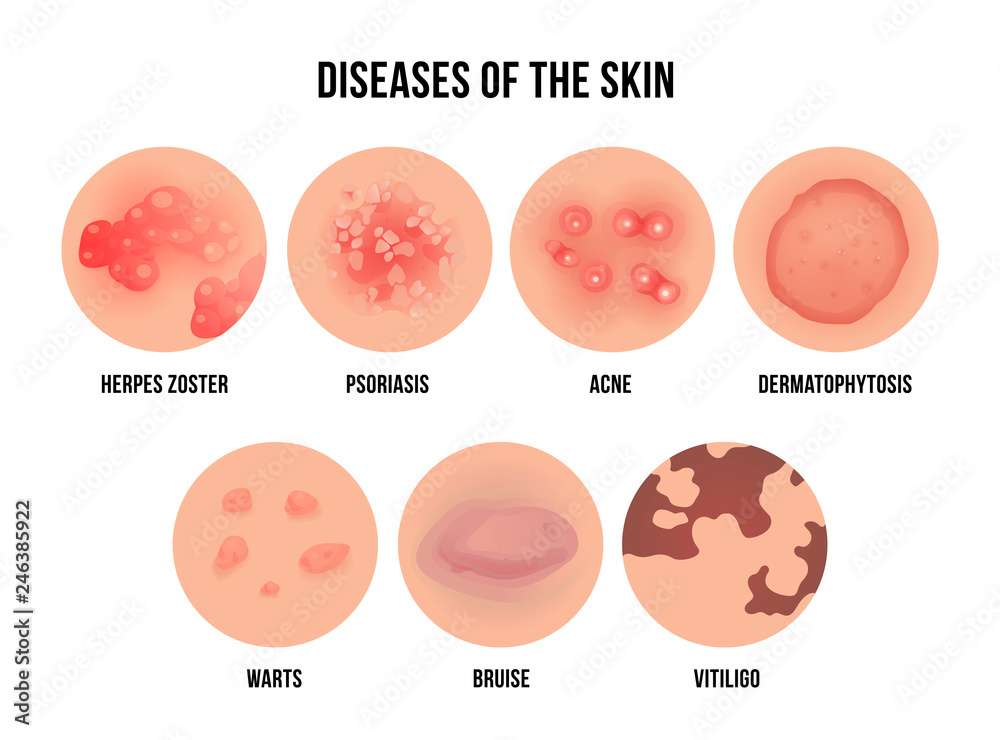
High blood pressure, or hypertension, is a common yet serious condition that often develops without noticeable symptoms. Managing it effectively is crucial to prevent complications.
- Symptoms and causes: Often asymptomatic; linked to genetics, diet, stress, and lifestyle factors.
- Diagnosis: Multiple blood pressure readings over time, sometimes including ambulatory monitoring.
- Treatment: Lifestyle changes such as diet and exercise, along with medications like ACE inhibitors or beta-blockers prescribed as needed.
- Monitoring: Regular follow-up appointments and home measurements ensure control and adjust treatment if necessary.
Controlling hypertension reduces the risk of heart disease and stroke significantly. Early detection and adherence to therapy are key for long-term health.