
Dr Laxmi Narayan
About Me
Dr Laxmi Narayan
MS
Orthopaedic Surgeons
10 Years Experience
Biography
My Clinic
OPD Hours
| Monday | Morning | 10:00 AM | - | 02:00 PM |
| Evening | 06:00 PM | - | 09:00 PM | |
| Tuesday | Morning | 10:00 AM | - | 02:00 PM |
| Evening | 06:00 PM | - | 09:00 PM | |
| Wednesday | Morning | 10:00 AM | - | 02:00 PM |
| Evening | 06:00 PM | - | 09:00 PM | |
| Thursday | Morning | 10:00 AM | - | 02:00 PM |
| Evening | 06:00 PM | - | 09:00 PM | |
| Friday | Morning | 10:00 AM | - | 02:00 PM |
| Evening | 06:00 PM | - | 09:00 PM | |
| Saturday | Morning | 10:00 AM | - | 02:00 PM |
| Evening | 06:00 PM | - | 09:00 PM | |
| Sunday | Morning | 10:00 AM | - | 02:00 PM |
| Evening | 06:00 PM | - | 09:00 PM |
Treatments
Specialised care and treatments offered
JOINT INJECTION THERAPY
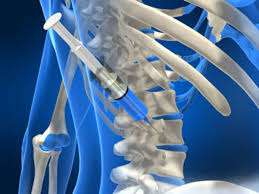
This procedure provides targeted relief from joint pain by delivering medication directly into an affected joint space—very effective for conditions like arthritis!
- The primary situation calling for injections includes persistent joint pain not adequately managed through oral medications alone; swelling may also indicate need!
- After thorough assessment via history taking & diagnostic imaging results play pivotal roles guiding physicians towards making informed decisions regarding injections' appropriateness based on severity assessed during evaluations!
- Corticosteroids are commonly used along with anesthetic agents ensuring rapid responses when injected! Outcome expectations range broadly depending upon disease states affecting specific patients—many report substantial benefit after 'one-off' injections lasting several months before needing repeat treatments down line!
Overall assessment before commencing this tool marks an important strategy within routine orthopedic practice necessitating ongoing dialogue between patient-physician pairs continuously optimizing care pathways set forth collectively throughout treatment timelines .
TENDONITIS TREATMENT
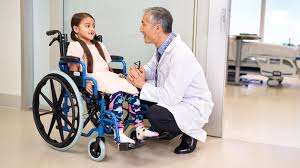
Tendonitis refers to inflammation of a tendon caused by repetitive strain or overload. This condition can affect various tendons throughout the body leading to significant discomfort!
- Main symptoms typically include localized pain near joints especially when moving that particular area along with tenderness upon touch.
- Diagnosis often requires clinical evaluation combined with imaging studies like ultrasounds for confirmation purposes.
- Initial therapeutic methods generally focus on rest coupled with icing practices before progressing towards anti-inflammatory medications for relief; corticosteroid injections could be considered if conservative measures fail.
- A structured rehabilitation program emphasizing stretching & strengthening exercises is fundamental post-initial care period; successful outcomes rely heavily upon patient adherence!
Timely intervention aids tremendously in restoring healthy function while minimizing chronic complications arising from neglected tendon issues!
OSTEOPOROSIS PREVENTION

This condition makes bones weak and more prone to fractures. It often progresses without symptoms until a fracture occurs. Preventive measures are crucial!
- A major symptom might not be noticed until a bone fracture happens; hence early detection through screenings is critical for prevention strategies.
- The diagnosis primarily involves bone density tests that measure mineral content in bones.
- Treatment includes adequate intake of calcium and vitamin D alongside regular weight-bearing exercises designed to strengthen bones;
- Medications could also be prescribed depending on individual risk factors.
- Lifestyle adjustments such as quitting smoking or limiting alcohol intake further enhance bone health.
Regular visits with your healthcare provider can help monitor your bone health effectively.
SPORTS INJURY REHABILITATION

Sports injuries vary widely but often involve damage to muscles, ligaments, or tendons due to vigorous activity. Rehabilitation is vital for athletes returning to their sport safely.
- Common symptoms include sudden onset of pain during activity, swelling around the injured site, and decreased mobility or strength in the affected area.
- A thorough evaluation using physical exams and imaging tests will help identify the specific injury type and extent of damage.
- Treatment focuses initially on reducing pain and swelling through rest, ice application, compression bandaging, and elevation (the RICE method).
- An individualized rehabilitation program typically follows that may involve physical therapy exercises aimed at restoring strength and flexibility.
- Catching injuries early on can significantly speed up recovery times while decreasing chances of re-injury when returning to sports activities.
This tailored approach ensures athletes regain optimal performance levels post-injury.
FRACTURE CARE

A fracture is a break in the bone that can occur from trauma or overuse. Prompt diagnosis and treatment are crucial for optimal recovery.
- The main symptoms include intense pain at the injury site, swelling, bruising, and an inability to move the affected area.
- Diagnostic techniques often involve physical exams along with X-rays or CT scans to assess the severity of the fracture.
- Treatment can range from immobilization with a cast or splint to surgical procedures if the fracture is complex or displaced.
- Pain management strategies are also implemented during recovery to ensure comfort.
- Most fractures heal within weeks to months depending on various factors including age and bone health; however, rehabilitation may be necessary to restore full functionality.
A comprehensive approach helps facilitate healing and reduces complications associated with fractures.
ARTHRITIS MANAGEMENT

Arthritis is a common condition characterized by inflammation of the joints, which can lead to pain, stiffness, and reduced mobility. Various types exist, including osteoarthritis and rheumatoid arthritis.
- Symptoms may include joint pain, swelling, redness, and a decrease in range of motion.
- Diagnosis typically involves a physical examination, medical history review, and imaging tests such as X-rays or MRIs.
- Treatment options encompass medications like NSAIDs for pain relief, physical therapy to strengthen muscles around the joint, and lifestyle changes such as weight management.
- In severe cases, surgical interventions like joint replacement may be considered.
- Ongoing management can help maintain function and improve quality of life for individuals affected by arthritis.
It's essential to consult with a healthcare professional for personalized treatment plans tailored to individual needs.