
Dr Laxman Singh
About Me
Dr Laxman Singh
MBBS
Therapist
10 Years Experience
Biography
My Clinic
OPD Hours
| Monday | Morning | 10:00 AM | - | 02:00 PM |
| Evening | 06:00 PM | - | 09:00 PM | |
| Tuesday | Morning | 10:00 AM | - | 02:00 PM |
| Evening | 06:00 PM | - | 09:00 PM | |
| Wednesday | Morning | 10:00 AM | - | 02:00 PM |
| Evening | 06:00 PM | - | 09:00 PM | |
| Thursday | Morning | 10:00 AM | - | 02:00 PM |
| Evening | 06:00 PM | - | 09:00 PM | |
| Friday | Morning | 10:00 AM | - | 02:00 PM |
| Evening | 06:00 PM | - | 09:00 PM | |
| Saturday | Morning | 10:00 AM | - | 02:00 PM |
| Evening | 06:00 PM | - | 09:00 PM | |
| Sunday | Morning | 10:00 AM | - | 02:00 PM |
| Evening | 06:00 PM | - | 09:00 PM |
Treatments
Specialised care and treatments offered
ANXIETY DISORDER SUPPORT
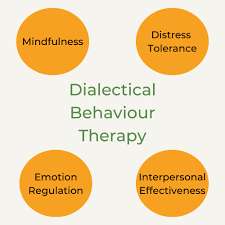
Anxiety disorders represent some of the most common psychological challenges but are highly treatable through targeted therapy interventions combined with supportive care measures.
- The nature:Anxiety generates persistent worry misaligned with actual threats causing distress affecting daily functioning.
- Triage:A clinician evaluates symptom duration intensity using standardized diagnostic criteria ensuring accurate identification diagnosis.
- Therapeutic options:Cognitive restructuring exposure therapy relaxation training aim at reducing anxious responses systematically .
- Lifestyle adjuncts:Sufficient rest regular exercise avoiding stimulants all help modulate nervous system reactivity efficiently .
- Patient prognosis:Most people report meaningful symptom relief after dedicated treatment involvement enhancing quality of life substantially .
The combination of professional counseling paired with self-care empowers patients facing anxiety towards greater stability emotionally cognitively .
LIFESTYLE COUNSELING FOR DEPRESSION
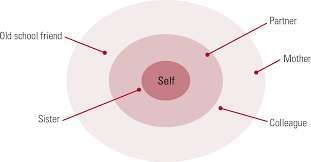
Tackling depression effectively often involves integrating lifestyle modifications alongside conventional treatments for optimal recovery outcomes.
- Causal factors: Sedentary habits, poor dietary choices, social isolation may contribute significantly to depressive symptoms.
- The diagnostic process:: A thorough clinical interview helps determine severity levels while screening for co-existing medical conditions.
- Counseling focus: Encourages gradual incorporation of physical activity like walking or yoga tailored to patient ability.
- Nutritional advice : Promoting nutrient-rich foods supports brain function involved in mood regulation.
- A social connection :: Recommending engagement with supportive networks combats loneliness frequently associated with depression.
- Treatment expectations : Sustained lifestyle adjustments combined with other therapies improve energy levels & outlook over weeks-months.
This holistic approach complements medical management providing a foundation for long-term resilience against depressive episodes. p>
MINDFULNESS-BASED THERAPY
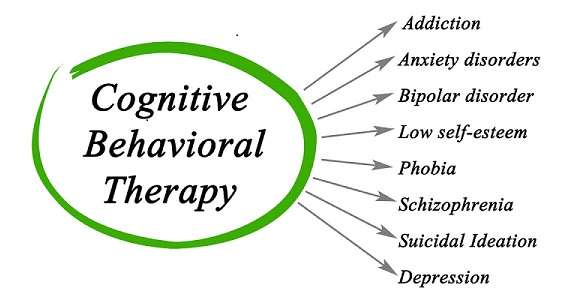
This therapeutic approach integrates mindfulness practices to help individuals better manage their thoughts and emotions in everyday life situations.
- The principle: Cultivating present-moment awareness reduces rumination on negative experiences that often exacerbate conditions like anxiety or depression.
- Implementation: Patients learn guided meditation techniques focusing on breath awareness or body scans during therapy sessions.
- Treatment goals: Enhance self-compassion whilst decreasing avoidance behaviors linked to distressing feelings.
- Lifestyle impact: Incorporating mindfulness into daily routines fosters improved emotional balance even outside clinical settings.
A continuing practice often leads to more sustained mental clarity along with lowered physiological markers of stress.
......B
SLEEP HYGIENE IMPROVEMENT
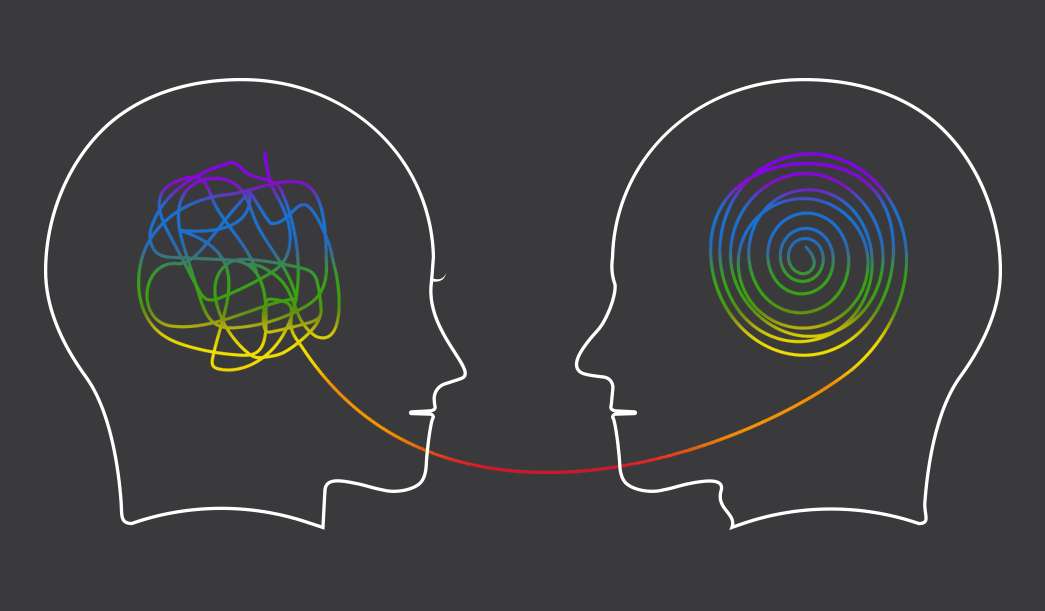
Poor sleep quality can significantly affect one's mental health. Improving sleep hygiene involves adopting habits that promote restful and consistent sleep patterns.
- Common issues: Difficulty falling asleep, frequent awakenings, or non-restorative sleep often stem from lifestyle factors or anxiety. Assessment:The evaluation includes reviewing sleep environment and routines to identify disruptors such as irregular bedtimes or screen exposure before sleep.
- Treatment strategies: Establishing a relaxing pre-sleep routine, limiting caffeine intake, and maintaining a comfortable bedroom setting are key components.
- Lifestyle considerations: Consistent exercise earlier in the day supports natural circadian rhythms without causing overstimulation at night.
Nurturing healthy sleep habits enhances overall wellbeing by improving mood regulation, concentration, and immune function for sustained benefits.
STRESS MANAGEMENT TECHNIQUES
Managing stress effectively is crucial for maintaining both mental and physical health. Various techniques can be employed to cope with daily pressures constructively.
- Causes of stress: Common triggers include work demands, family issues, or significant life changes.
- Symptoms: Patients may experience irritability, fatigue, headaches, or sleep disturbances.
- Management methods: Relaxation exercises like deep breathing, progressive muscle relaxation, and mindfulness meditation are commonly recommended.
- Lifestyle changes: Regular physical activity and balanced nutrition support resilience against stressors.
- Professional guidance: Therapists help tailor individualized plans to suit each person's unique situation and needs.
The goal is empowering individuals with tools that reduce stress impact and foster healthier emotional responses over time.
COGNITIVE BEHAVIORAL THERAPY (CBT)
Cognitive Behavioral Therapy (CBT) is a widely practiced psychological treatment aimed at addressing various mental health conditions by modifying negative thought patterns.
- Purpose: CBT targets disorders such as anxiety, depression, and stress-related conditions by reshaping distorted cognition.
- Diagnosis: Mental health professionals assess patients through interviews and questionnaires to identify maladaptive thought processes.
- Treatment approach: It involves structured sessions focusing on recognizing and challenging harmful beliefs and behaviors.
- Patient involvement: Active participation through homework assignments and skill-building exercises enhances outcomes.
- Expected results: Many experience improved mood regulation, reduced symptoms, and better coping mechanisms over time.
This therapy emphasizes collaboration between the therapist and patient to promote lasting psychological well-being through practical strategies.