
Dr Laxman Siddh
About Me
Dr Laxman Siddh
MD
Infectious disease specialists
Biography
My Clinic
OPD Hours
| Monday | Morning | 10:00 AM | - | 02:00 PM |
| Evening | 06:00 PM | - | 09:00 PM | |
| Tuesday | Morning | 10:00 AM | - | 02:00 PM |
| Evening | 06:00 PM | - | 09:00 PM | |
| Wednesday | Morning | 10:00 AM | - | 02:00 PM |
| Evening | 06:00 PM | - | 09:00 PM | |
| Thursday | Morning | 10:00 AM | - | 02:00 PM |
| Evening | 06:00 PM | - | 09:00 PM | |
| Friday | Morning | 10:00 AM | - | 02:00 PM |
| Evening | 06:00 PM | - | 09:00 PM | |
| Saturday | Morning | 10:00 AM | - | 02:00 PM |
| Evening | 06:00 PM | - | 09:00 PM | |
| Sunday | Morning | 10:00 AM | - | 02:00 PM |
| Evening | 06:00 PM | - | 09:00 PM |
Treatments
Specialised care and treatments offered
ANTIBIOTIC STEWARDSHIP
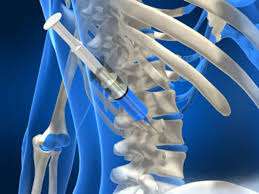
The practice of antibiotic stewardship ensures appropriate use of antibiotics among patients. This initiative aims at reducing resistance development while promoting optimal treatment outcomes across diverse infections encountered in clinical settings.
- Symptoms: Misuse leads often generates resistant bacterial strains less responsive traditional treatments .
- Diagnosis: Evaluation typically involves reviewing patient’s medication history along with assessing current prescriptions carefully analyzing necessity reinforcements if any infections manifest requiring medication intervention prominently.
- Treatment’s Role : Implementing guidelines assists clinicians establishing rational prescribing decisions guiding optimal therapeutic pathways enhancing effectiveness experienced willingness patients following dosage instructions diligently complying thus ensuring favorable prognosis overall patients’ health throughout course respective illnesses further prediction success later phases adherence subsequently observed following trails .
VIRAL GASTROENTERITIS

This intestinal infection caused by various viruses results in inflammation of the stomach lining. Understanding viral gastroenteritis helps manage symptoms effectively while limiting transmission to others.
- Symptoms: Key signs include diarrhea, vomiting, stomach cramping, fever, and general malaise.
- Diagnosis: Diagnosis often relies on clinical evaluations as specific tests are rarely needed unless severe dehydration occurs.
- Treatment: Focuses on hydration—oral rehydration solutions help replenish lost fluids while dietary modifications aid recovery quicker than strict fasting would allow.
Good hygiene practices are paramount during outbreaks; recognizing signs prompts necessary actions for self-care without overcrowding healthcare resources unnecessarily .
LYME DISEASE

HIV/AIDS MANAGEMENT

The human immunodeficiency virus (HIV) leads to acquired immunodeficiency syndrome (AIDS), which severely weakens the immune system. Awareness around transmission methods and management strategies is essential for those living with this condition.
- Symptoms: Initial infection may present flu-like symptoms but can remain dormant before progressing into chronic stages without proper management.
- Diagnosis: Blood tests confirm HIV status through antibody detection or viral load measurement.
- Treatment: Antiretroviral therapy (ART) enables individuals to live longer and healthier lives by suppressing the virus effectively.
- Lifestyle Impact: Regular healthcare checkups are essential alongside preventive measures against opportunistic infections.
The understanding that HIV is manageable allows many individuals to live fulfilling lives while staying proactive about their health care needs.
TUBERCULOSIS (TB)

Tuberculosis (TB) is a contagious bacterial infection that primarily affects the lungs but can also impact other areas. Early detection plays a critical role in preventing spread and ensuring effective treatment.
- Symptoms: Common signs include a persistent cough, chest pain, fever, and unexplained weight loss.
- Diagnosis: A combination of medical history assessments, chest X-rays, and sputum tests help confirm TB infection.
- Treatment: The standard treatment regimen involves a course of antibiotics over several months to ensure complete recovery.
- Management: Adherence to prescribed therapy is crucial; follow-up appointments assist in monitoring progress and side effects.
- Coping: Support systems can aid patients during their recovery journey and promote compliance with medication regimens.
A thorough understanding of TB can lead to timely intervention and better health outcomes for affected individuals.
HEPATITIS C

Hepatitis C is a viral infection that primarily affects the liver, leading to inflammation and potential serious health concerns. It is crucial for individuals to understand the implications of this condition to facilitate early diagnosis and treatment.
- Symptoms: Many people may not exhibit symptoms initially, but fatigue, jaundice, and abdominal pain can occur as the disease progresses.
- Diagnosis: Medical professionals utilize blood tests to detect antibodies against the virus and assess liver function.
- Treatment: Antiviral medications have revolutionized management, often leading to cure rates exceeding 95%.
- Management: Regular monitoring of liver health is essential, along with lifestyle changes to support overall well-being.
- Expectations: With appropriate treatment, most individuals can achieve full recovery and reduce the risk of long-term complications.
Prompt recognition and treatment of Hepatitis C are vital for improving outcomes and maintaining liver health.