
Dr Lalit Sharma
About Me
Dr Lalit Sharma
MD
Dermatologist
10 Years Experience
Biography
My Clinic
OPD Hours
| Monday | Morning | 10:00 AM | - | 02:00 PM |
| Evening | 06:00 PM | - | 09:00 PM | |
| Tuesday | Morning | 10:00 AM | - | 02:00 PM |
| Evening | 06:00 PM | - | 09:00 PM | |
| Wednesday | Morning | 10:00 AM | - | 02:00 PM |
| Evening | 06:00 PM | - | 09:00 PM | |
| Thursday | Morning | 10:00 AM | - | 02:00 PM |
| Evening | 06:00 PM | - | 09:00 PM | |
| Friday | Morning | 10:00 AM | - | 02:00 PM |
| Evening | 06:00 PM | - | 09:00 PM | |
| Saturday | Morning | 10:00 AM | - | 02:00 PM |
| Evening | 06:00 PM | - | 09:00 PM | |
| Sunday | Morning | 10:00 AM | - | 02:00 PM |
| Evening | 06:00 PM | - | 09:00 PM |
Treatments
Specialised care and treatments offered
WART REMOVAL
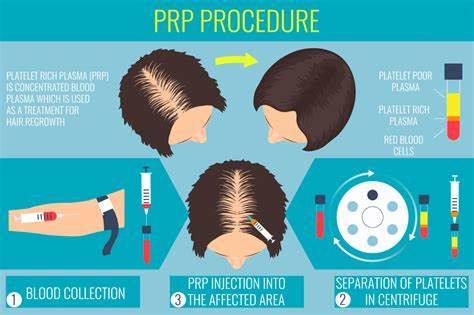
The presence of warts is caused by human papillomavirus (HPV) infection leading them to appear on various body parts such as hands or feet. While generally harmless they may cause cosmetic concerns prompting removal procedures for some individuals seeking clear skin results .
- Symptoms : Warts typically manifest as rough-textured growths varying in size appearing intermittently over time .
- Causes : Transmission occurs via direct contact; thus proper hygiene practices are crucial for prevention efforts .
- Diagnosis : Dermatologists identify warts based upon their unique appearance so diagnostic tests aren't routinely necessary unless uncertainty arises .
- Treatment Techniques : Options include cryotherapy , laser therapy , acids , or surgical intervention depending upon wart characteristics .
A proactive approach empowers patients towards making informed choices regarding wart management options available today while assuring positive satisfaction outcomes overall!
ROSACEA
This chronic inflammatory condition primarily affects facial areas causing persistent redness. Rosacea commonly presents with flushing episodes that may become more frequent over time if left untreated.
- Symptoms: Signs may include redness across the cheeks/nose as well as visible blood vessels or small pustules resembling acne.
- If diagnosed through clinical examination treatments can range from topical medications to lifestyle alterations aimed at minimizing flare-ups.A robust understanding helps patients manage this condition effectively despite its challenges.
Seeking timely intervention provides relief from discomfort associated with rosacea while enhancing confidence levels among those affected.
SKIN CANCER SCREENING
Regular skin cancer screenings are essential for early detection and successful treatment outcomes. This preventive measure allows for monitoring any unusual changes in moles or blemishes on the skin's surface.
- Importance: Early identification significantly improves prognosis for conditions like melanoma.
- How it’s conducted : Screenings involve thorough examinations of your skin by a qualified dermatologist.
- What to expect : You will be asked about your medical history and any family history related to skin conditions before the exam begins.
By maintaining regular screenings, you empower yourself with knowledge about your skin health.
ECZEMA (ATOPIC DERMATITIS)
Eczema is a chronic inflammatory condition that causes itchy and inflamed skin. It frequently appears in childhood but can persist into adulthood. Management focuses on reducing symptoms and preventing flare-ups.
- Symptoms: Dryness, redness, itching, and sometimes oozing lesions characterize eczema outbreaks.
- Causes: Genetic predisposition combined with environmental factors play a critical role in its development.
- Diagnosis: Diagnosis involves a comprehensive evaluation of medical history and physical appearance of the affected areas.
- Treatment options: Treatments include moisturizers, topical steroids, or antihistamines to control itching during flare-ups.
A personalized approach helps individuals manage their eczema effectively and improve their quality of life.
PSORIASIS
This chronic autoimmune disorder is characterized by the rapid growth of skin cells that lead to scaling on the surface of the skin. Psoriasis can affect various areas of the body and may cause discomfort or embarrassment for those affected.
- Symptoms: Flaky patches of thickened skin often covered with silvery scales are common indicators.
- Causes: Triggers may include stress, infections, and injury to the skin.
- Diagnosis: Diagnosis typically involves a physical examination and patient history review.
- Treatments: Common interventions range from topical treatments to phototherapy or systemic medications.
- Expectations: Managing psoriasis often requires ongoing treatment tailored to individual needs.
Understanding this condition aids in effective management strategies that enhance quality of life.
ACNE
Acne is a prevalent skin condition that affects individuals of all ages, particularly during adolescence. It occurs when hair follicles become clogged with oil and dead skin cells, leading to the formation of pimples, blackheads, and cysts.
- Symptoms: Common signs include various types of lesions on the face, back, and shoulders.
- Causes: Factors such as hormonal changes, genetics, certain medications, and dietary habits can contribute to acne.
- Diagnosis: A dermatologist diagnoses acne through visual examination and patient history.
- Treatment: Options include topical retinoids, benzoyl peroxide, antibiotics, or oral medications for severe cases.
- Management: Regular cleansing and non-comedogenic products can help manage outbreaks.
With appropriate treatment, acne can be effectively controlled, allowing individuals to achieve clearer skin.