
Dr Lalit Prakash Singh
About Me
Dr Lalit Prakash Singh
MS
Orthopaedic Surgeons
10 Years Experience
Biography
My Clinic
OPD Hours
| Monday | Morning | 10:00 AM | - | 02:00 PM |
| Evening | 06:00 PM | - | 09:00 PM | |
| Tuesday | Morning | 10:00 AM | - | 02:00 PM |
| Evening | 06:00 PM | - | 09:00 PM | |
| Wednesday | Morning | 10:00 AM | - | 02:00 PM |
| Evening | 06:00 PM | - | 09:00 PM | |
| Thursday | Morning | 10:00 AM | - | 02:00 PM |
| Evening | 06:00 PM | - | 09:00 PM | |
| Friday | Morning | 10:00 AM | - | 02:00 PM |
| Evening | 06:00 PM | - | 09:00 PM | |
| Saturday | Morning | 10:00 AM | - | 02:00 PM |
| Evening | 06:00 PM | - | 09:00 PM | |
| Sunday | Morning | 10:00 AM | - | 02:00 PM |
| Evening | 06:00 PM | - | 09:00 PM |
Treatments
Specialised care and treatments offered
KNEE LIGAMENT INJURIES
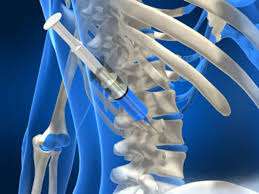
Knee ligament injuries occur most frequently during high-impact sports activities where sudden twists lead to ligament tears. Such injuries often result in instability and chronic knee issues if neglected properly initially following precautionary measures should be undertaken immediately post-injury before serious consequences emerge ahead down path later on towards recovery processes!
- Symptoms typically comprise painful sensations around joints stressing movement limitations; swelling appears noticeably evident around ligaments although rapid initial support applications aid healing productivity overall through precautions taken.;
- (Dagnosis entails radiological imaging alongside clinical evaluations proving vital gathering information determining precise extent affected regions hence correlating treatment plans accordingly);
- (Initial management includes rest combined therapeutic approaches utilizing modalities providing functional stability alongside gradual rehabilitation monitored consistently recuperative properties exhibited thereafter.),
- (If non-operative treatments prove ineffective over protracted durations surgical repairs might become appealing option assisting further addressing torn ligaments’ restoration).
(Proficient care ensures regaining normal levels function ultimately enhancing quality life post-operative settings amongst clients requiring timely attention whether needing minimally invasive procedures appropriately outlined tailored towards restoring returning aspirations once again efficiently!
CARPAL TUNNEL SYNDROME
This condition arises when pressure builds up on the median nerve which runs through the wrist's carpal tunnel. It leads to symptoms that affect hand function significantly over time if left untreated.
- Main signs of carpal tunnel syndrome include tingling sensations in fingers especially at night,weaknessin grasping objects comfortably,and increased discomfort when performing tasks requiring fine motor skills;
- A thorough medical examination assesses symptoms while electrodiagnostic tests help confirm nerve involvement;
- Treatment often begins with conservative strategies like wrist braces during nighttime,anti-inflammatory medications to decrease swelling,and modifications to reduce risk factors at work;
- Surgical interventions –often performed arthroscopically—may resolve persistent compression causing severe impairments if other modalities fall short;
Most patients find significant improvement post-treatment ensuring a return towards daily function promoting overall satisfaction.
TENDINITIS

Tendinitis is an inflammatory condition affecting tendons that connect muscles to bones. It commonly results from repetitive motion or overuse during activities such as sports or certain jobs.
- You may notice signs like persistent joint pain around a tendon area, swelling, tenderness during movement, and restricted flexibility associated with typical activities.
- The diagnosis usually involves reviewing your medical history along with physical examinations focusing on the affected area; imaging tests might also be utilized if necessary.
- Treatment approaches often include resting, ice application for swelling reduction, medications for inflammation relief, and targeted exercises prescribed by a physiotherapist to gradually restore function.
- If persistent symptoms don't improve adequately after initial treatment phases within weeks to months,surgery could be considered based on individual cases.
Patients are generally advised to modify their activities temporarily while addressing tendinitis for optimal recovery.
HERNIATED DISC

A herniated disc occurs when one of the cushioning discs between the vertebrae slips out of place or ruptures. This condition can cause intense back pain as well as nerve-related symptoms if it presses on spinal nerves.
- The primary symptoms include sharp pain in the back or neck, numbness in limbs, and muscle weakness in certain body parts depending on which nerves are affected.
- This condition is diagnosed through physical examinations combined with imaging tests like CT scans or MRIs to confirm disc displacement.
- Treatment typically starts with non-surgical methods such as pain management, physical therapy focused on strengthening surrounding muscles, and lifestyle modifications for posture improvement.
- If conservative treatments do not alleviate symptoms after several months, surgical options such as discectomy might be explored.
Most patients experience significant relief with proper care and rehabilitation programs tailored to their needs.
ROTATOR CUFF INJURY

A rotator cuff injury refers to damage to the group of muscles and tendons that stabilize the shoulder. This injury can occur due to trauma or repetitive overhead movements often seen in sports or manual labor.
- Common symptoms include weakness in the shoulder, limited range of motion, and pain when lifting objects or reaching overhead.
- This injury is diagnosed through a thorough evaluation, including physical assessments and imaging studies such as an MRI.
- Treatment may involve a combination of rest, anti-inflammatory medications, physical therapy to strengthen the shoulder muscles, and possibly surgery if conservative measures fail.
- Surgical options may include arthroscopic repair or tendon grafting depending on the severity of the injury.
Early intervention can greatly improve outcomes for individuals suffering from rotator cuff injuries.
OSTEOARTHRITIS

Osteoarthritis is a degenerative joint disease affecting millions worldwide. It occurs when the protective cartilage that cushions the ends of bones wears down over time, leading to pain and stiffness.
- Symptoms include joint pain, swelling, reduced range of motion, and occasional creaking noises during movement.
- The condition is typically diagnosed through a combination of medical history, physical examination, and imaging techniques like X-rays or MRIs.
- Treatment options range from physical therapy and lifestyle modifications to medications for pain relief, and in severe cases, surgical interventions may be necessary.
- Patients can manage osteoarthritis effectively by maintaining a healthy weight, engaging in regular low-impact exercise, and using assistive devices as needed.
With appropriate management strategies, many individuals with osteoarthritis can lead active lives despite their condition.