
Dr Lal PathLabs
About Me
Dr Lal PathLabs
MD
Infectious disease specialists
Biography
My Clinic
OPD Hours
| Monday | Morning | 10:00 AM | - | 02:00 PM |
| Evening | 06:00 PM | - | 09:00 PM | |
| Tuesday | Morning | 10:00 AM | - | 02:00 PM |
| Evening | 06:00 PM | - | 09:00 PM | |
| Wednesday | Morning | 10:00 AM | - | 02:00 PM |
| Evening | 06:00 PM | - | 09:00 PM | |
| Thursday | Morning | 10:00 AM | - | 02:00 PM |
| Evening | 06:00 PM | - | 09:00 PM | |
| Friday | Morning | 10:00 AM | - | 02:00 PM |
| Evening | 06:00 PM | - | 09:00 PM | |
| Saturday | Morning | 10:00 AM | - | 02:00 PM |
| Evening | 06:00 PM | - | 09:00 PM | |
| Sunday | Morning | 10:00 AM | - | 02:00 PM |
| Evening | 06:00 PM | - | 09:00 PM |
Treatments
Specialised care and treatments offered
SEXUALLY TRANSMITTED INFECTION (STI) SCREENING
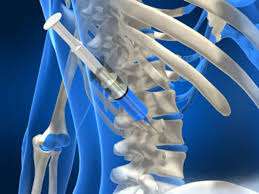
Screening for sexually transmitted infections (STIs) is important for sexual health. Regular check-ups can help identify infections early before they cause serious complications or are transmitted further.
- Symptoms : Many STIs are asymptomatic; however, when present symptoms may include unusual discharge, burning sensation while urinating or sores in genital areas.
- Diagnosis : Testing typically involves urine samples or swabs collected during physical examinations along with blood work aimed at identifying various STIs such as chlamydia or gonorrhea.
- Treatment/Management : Treatment options depend upon specific infections; most bacterial STIs can be cured with antibiotics whereas viral infections like herpes require ongoing management strategies tailored individually.
- What to Expect : Follow-up appointments provide opportunities regarding safe sexual practices alongside support resources dedicated towards improving personal wellness surrounding sexual health topics!
Taking charge of one’s sexual health translates into empowered living without fear surrounding STIs!
TRAVEL MEDICINE CONSULTATION

A travel medicine consultation focuses on preparing travelers for international trips by assessing health risks associated with specific destinations. Proper preparation enhances safety during travels abroad.
- Symptoms : Travelers might encounter various diseases not common in their home region; awareness helps alleviate anxiety related to health threats during trips.
- Diagnosis : Health professionals evaluate vaccination records and review travel itineraries as part of pre-travel assessments which may also involve diagnostic screenings if necessary.
- Treatment/Management : Recommendations often include vaccinations (such as Yellow Fever or Typhoid) along with preventive medications based on regional health advisories.
- What to Expect : Patients should plan consultations well ahead of traveling dates so there’s ample time for immunizations which ensure optimal protection during travel experiences!
Staying informed empowers travelers towards healthier journeys overall!
INFECTION CONTROL PRACTICES

Implementing effective infection control practices in healthcare settings significantly reduces the risk of healthcare-associated infections (HAIs).
- Symptoms: HAIs can lead to delayed recovery from surgery or illness; symptoms vary based on the site of infection but generally include fever or localized pain.
- Diagnosis: Identification often requires lab cultures from infected sites. Comprehensive assessments help determine causative agents responsible for HAIs.
- Treatment/Management: Management includes appropriate antibiotic therapy based on culture results along with strict adherence to hygiene protocols by healthcare staff.
- What to Expect: Continuous education on hygiene practices ensures a safer environment for all patients while effectively mitigating infection risks over time.
This proactive approach benefits both patients and healthcare providers alike by fostering a culture of safety in medical settings.
VIRAL HEPATITIS MANAGEMENT

The management of viral hepatitis is critical in preventing liver damage and reducing transmission risk. Different strains require specific approaches depending on individual patient circumstances.
- Symptoms: Hepatitis infected individuals may experience fatigue, jaundice, abdominal pain, and loss of appetite; however, many remain asymptomatic.
- Diagnosis: Diagnosis usually involves blood tests to detect hepatitis viruses A, B, C, D or E along with liver function tests to assess damage extent.
- Treatment/Management: Depending on the type of hepatitis, antiviral medications may be prescribed alongside supportive care aimed at liver health maintenance.
- What to Expect: Regular monitoring through blood tests helps track progress and response to treatment while providing necessary lifestyle counseling.
A comprehensive approach ensures better outcomes for patients dealing with hepatitis infections.
TUBERCULOSIS SCREENING

Tuberculosis (TB) screening is vital for early identification of individuals infected with the bacteria causing TB. This can prevent the disease from spreading within communities.
- Symptoms: Common signs include persistent cough, fever, night sweats, and weight loss. However, many may remain asymptomatic initially.
- Diagnosis: TB can be diagnosed using skin tests (like the Mantoux test), blood tests, or chest X-rays to detect latent or active infection.
- Treatment/Management: Treatment typically involves a course of antibiotics over several months to eradicate the bacteria completely.
- What to Expect: Patients should adhere strictly to their medication regimen and attend regular follow-up appointments for monitoring.
Timely screening and treatment are essential for effective management of TB infection.
HIV TESTING AND COUNSELING

Testing for HIV is a crucial step in managing the virus and preventing its spread. Early detection allows for timely treatment and reduces transmission risk significantly.
- Symptoms: Many people do not exhibit symptoms initially, but some may experience flu-like signs within 2-4 weeks after exposure.
- Diagnosis: HIV is diagnosed through blood tests that look for antibodies or viral load, typically done in a clinical or laboratory setting.
- Treatment/Management: Antiretroviral therapy (ART) is the cornerstone of HIV management, helping to maintain viral suppression and improve immune function.
- What to Expect: Regular monitoring of viral load and CD4 cell counts is essential to assess treatment effectiveness and adjust therapy as needed.
With proper care, individuals living with HIV can lead healthy lives while minimizing risks to others.