
Dr Lal PathLabs
About Me
Dr Lal PathLabs
MD
Infectious disease specialists
Biography
My Clinic
OPD Hours
| Monday | Morning | 10:00 AM | - | 02:00 PM |
| Evening | 06:00 PM | - | 09:00 PM | |
| Tuesday | Morning | 10:00 AM | - | 02:00 PM |
| Evening | 06:00 PM | - | 09:00 PM | |
| Wednesday | Morning | 10:00 AM | - | 02:00 PM |
| Evening | 06:00 PM | - | 09:00 PM | |
| Thursday | Morning | 10:00 AM | - | 02:00 PM |
| Evening | 06:00 PM | - | 09:00 PM | |
| Friday | Morning | 10:00 AM | - | 02:00 PM |
| Evening | 06:00 PM | - | 09:00 PM | |
| Saturday | Morning | 10:00 AM | - | 02:00 PM |
| Evening | 06:00 PM | - | 09:00 PM | |
| Sunday | Morning | 10:00 AM | - | 02:00 PM |
| Evening | 06:00 PM | - | 09:00 PM |
Treatments
Specialised care and treatments offered
SEXUALLY TRANSMITTED INFECTIONS (STIS) SCREENING
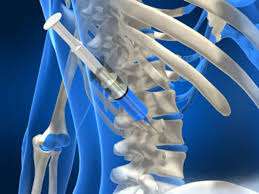
Screening for sexually transmitted infections (STIs) serves as a preventative measure against complications arising from untreated infections. Regular screening should be considered part of routine healthcare for sexually active individuals since early detection fosters timely management options available today!
- Symptoms: Many STIs may present asymptomatically; however symptoms could include unusual discharge,painful urination,rashes,and genital discomfort over time.
- Diagnosis: A combination of urine tests,blood work,and swabs are utilized depending on suspected STIs’ origin method unless symptomatic presentations arise prompting immediate attention.
- Treatment: Depending upon type identified,treatment protocols usually involve antibiotics or antiviral medications tailored accordingly enhancing recovery trajectories overall more efficiently each case screened properly promoted here benefits noteworthy!
- Expectations: Follow-up appointments after initiated courses offer reassurance towards successful resolution confirming ongoing healthy sexual behaviors integral across populations affected mannerisms amplify benefiting outreach programs aimed locally practically exchanging perceptions surrounding health-conscious lifestyles!
Prioritizing STI screening enhances both individual well-being while contributing towards greater community-wide awareness levels facilitating improved public health objectives at large proactively.
VIRAL INFECTION DIAGNOSTICS

This testing encompasses various methods used to identify viral pathogens responsible for different infectious diseases. Understanding the specific virus involved aids clinicians in tailoring appropriate treatments quickly and effectively—notably vital during outbreaks or when new viruses emerge.
MALARIA TESTING

Testing for malaria is critical in areas where this mosquito-borne disease is prevalent. Prompt diagnosis allows for rapid treatment initiation which significantly reduces morbidity associated with severe cases of malaria.
- Symptoms: Malaria symptoms often include fever, chills, headache, nausea, and vomiting. Severe cases can lead to organ failure if left untreated.
- Diagnosis: Microscopic examination of blood smears remains a gold standard; rapid diagnostic tests are also widely used for quick results in clinical settings.
- Treatment: Artemisinin-based combination therapies (ACTs) are first-line treatments that effectively combat malaria infections based on their severity level.
- Expectations: Individuals will require follow-up evaluations post-treatment to ensure eradication of parasitic infection from the bloodstream and monitor for any possible complications arising from previous infections.
Catching malaria early through testing can save lives and curb spread within communities significantly!
HEPATITIS C DIAGNOSIS

The diagnosis of Hepatitis C involves a series of blood tests that allow healthcare providers to determine whether an individual has been infected with the Hepatitis C virus (HCV). As many people do not exhibit noticeable symptoms initially, accurate testing is essential for early intervention.
- Symptoms: Initial infection may go unnoticed; however, chronic infection can lead to fatigue, jaundice, and abdominal pain later on.
- Diagnosis: Testing starts with an antibody test followed by polymerase chain reaction (PCR) tests to measure viral load if HCV antibodies are detected.
- Treatment: Direct-acting antiviral medications are available that can eliminate the virus from the body in most patients within weeks under proper medical supervision.
- Expectations: Regular liver function monitoring ensures appropriate management throughout treatment and helps assess any potential liver damage over time.
A proactive approach toward Hepatitis C diagnosis promotes better long-term health outcomes for affected individuals.
TUBERCULOSIS SCREENING

Tuberculosis (TB) screening is essential for identifying individuals who may have active or latent TB infections. Early identification allows for timely treatment, which can prevent severe health complications and reduce transmission rates within the community.
- Symptoms: While those with active TB may experience persistent cough, fever, night sweats, and weight loss, latent TB often has no symptoms.
- Diagnosis: Screening methods include skin tests (Mantoux test) and blood tests (IGRAs). Chest X-rays are also used if active TB is suspected.
- Treatment: Active TB requires a multi-drug regimen over several months. Latent TB may be treated with a shorter course of antibiotics to prevent progression to active disease.
- Expectations: Patients will need regular follow-ups to monitor treatment effectiveness and ensure adherence to medication regimens.
Regular screening plays a key role in managing this highly contagious disease effectively.
HIV TESTING

Human Immunodeficiency Virus (HIV) testing is crucial in diagnosing and managing the infection. Early detection can lead to effective treatment and better health outcomes. This testing identifies antibodies to HIV or the virus itself, enabling prompt care.
- Symptoms: Many individuals may not show symptoms during the early stages, but common signs include fever, fatigue, and swollen lymph nodes.
- Diagnosis: Testing typically involves blood tests that detect HIV antibodies or antigens. Initial screening is often followed by confirmatory tests.
- Treatment: Antiretroviral therapy (ART) is used to manage HIV. It helps lower the viral load, enabling individuals to live healthier lives while reducing transmission risk.
- Expectations: Regular monitoring of viral load and CD4 counts is vital for treatment success, ensuring that it remains effective over time.
Understanding HIV testing is fundamental for those at risk and contributes significantly to prevention strategies in our communities.