
Dr Lal PathLabs
About Me
Dr Lal PathLabs
MBBS
General Physician
10 Years Experience
Biography
My Clinic
OPD Hours
| Monday | Morning | 10:00 AM | - | 02:00 PM |
| Evening | 06:00 PM | - | 09:00 PM | |
| Tuesday | Morning | 10:00 AM | - | 02:00 PM |
| Evening | 06:00 PM | - | 09:00 PM | |
| Wednesday | Morning | 10:00 AM | - | 02:00 PM |
| Evening | 06:00 PM | - | 09:00 PM | |
| Thursday | Morning | 10:00 AM | - | 02:00 PM |
| Evening | 06:00 PM | - | 09:00 PM | |
| Friday | Morning | 10:00 AM | - | 02:00 PM |
| Evening | 06:00 PM | - | 09:00 PM | |
| Saturday | Morning | 10:00 AM | - | 02:00 PM |
| Evening | 06:00 PM | - | 09:00 PM | |
| Sunday | Morning | 10:00 AM | - | 02:00 PM |
| Evening | 06:00 PM | - | 09:00 PM |
Treatments
Specialised care and treatments offered
WEIGHT MANAGEMENT PROGRAMS
The prevalence of obesity highlights the importance of structured weight management programs aimed at achieving sustained weight loss. Such programs focus on comprehensive lifestyle changes rather than fad diets alone
.GASTROESOPHAGEAL REFLUX DISEASE (GERD)

This chronic digestive disorder occurs when stomach acid frequently flows back into the esophagus. Understanding its causes helps manage symptoms effectively and improve quality of life.
- Main Symptoms: The most common indications include heartburn, regurgitation of acid into the mouth or throat, difficulty swallowing, and persistent coughs linked to reflux issues.
PREVENTIVE HEALTH CHECK-UPS
A proactive approach towards health involves regular check-ups that aim at early detection of diseases. Routine evaluations play a key role in maintaining good health over time.
- Screens for Conditions: Blood pressure checks, cholesterol screening, and diabetes assessments are integral parts of preventive care.
- Cancer Screenings: Age-appropriate screenings like mammograms or colonoscopies help detect cancer early when it's more treatable.
- Nutritional Guidance: Discussions about diet contribute significantly to preventing obesity-related diseases.
ASTHMA MANAGEMENT
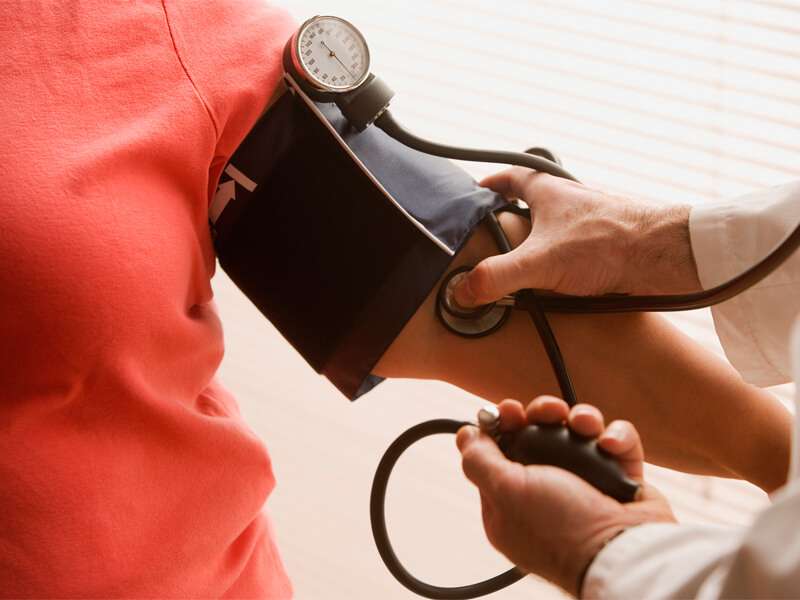
A chronic respiratory condition characterized by periods of wheezing, shortness of breath, chest tightness, and coughing. Asthma affects people of all ages but can be effectively managed with proper treatment.
- Triggers: Allergens such as pollen or pet dander, respiratory infections, and environmental conditions can exacerbate asthma symptoms.
- Diagnosis: Evaluation includes assessing medical history along with pulmonary function tests to measure lung capacity.
- Treatment Strategies: Controller medications (inhaled corticosteroids) prevent symptoms while rescue inhalers provide immediate relief during attacks.
- Lifestyle Modifications: Avoiding triggers and engaging in regular physical activity supports better asthma control.
An effective asthma management plan significantly enhances quality of life for those affected by this condition.
DIABETES CARE
Diabetes is a metabolic disorder characterized by elevated blood glucose levels. It requires careful management to avoid complications such as heart disease and nerve damage.
- Causes: Insulin resistance and inadequate insulin production are primary factors contributing to diabetes.
- Symptoms: Increased thirst, frequent urination, fatigue, and blurred vision can signal the onset of diabetes.
- Diagnosis: Blood tests measuring glucose levels—such as fasting glucose tests—are crucial for diagnosing diabetes.
- Treatment Options: A combination of dietary modifications, regular exercise, and medication (insulin or oral hypoglycemics) aid in managing blood sugar levels effectively.
By following recommended guidelines and maintaining regular contact with healthcare professionals, individuals can live healthy lives despite this condition.
HYPERTENSION MANAGEMENT
Hypertension, commonly known as high blood pressure, is a chronic condition that affects millions. It is often referred to as a 'silent killer' because it usually has no symptoms until severe complications arise.
- Symptoms: Most individuals may remain asymptomatic; however, severe cases can lead to headaches, shortness of breath, and nosebleeds.
- Diagnosis: Blood pressure readings taken during routine check-ups or with at-home monitors are essential to confirming the condition.
- Treatment: Lifestyle changes like a balanced diet low in salt, regular physical activity, and weight management are often first-line approaches. Medications may be prescribed if necessary.
- Management: Regular monitoring and follow-up appointments help ensure optimal management of blood pressure levels.
Adopting these steps can significantly reduce health risks associated with hypertension and improve overall heart health.