
Dr Lal PathLabs
About Me
Dr Lal PathLabs
MD
Dietitian
10 Years Experience
Biography
My Clinic
OPD Hours
| Monday | Morning | 10:00 AM | - | 02:00 PM |
| Evening | 06:00 PM | - | 09:00 PM | |
| Tuesday | Morning | 10:00 AM | - | 02:00 PM |
| Evening | 06:00 PM | - | 09:00 PM | |
| Wednesday | Morning | 10:00 AM | - | 02:00 PM |
| Evening | 06:00 PM | - | 09:00 PM | |
| Thursday | Morning | 10:00 AM | - | 02:00 PM |
| Evening | 06:00 PM | - | 09:00 PM | |
| Friday | Morning | 10:00 AM | - | 02:00 PM |
| Evening | 06:00 PM | - | 09:00 PM | |
| Saturday | Morning | 10:00 AM | - | 02:00 PM |
| Evening | 06:00 PM | - | 09:00 PM | |
| Sunday | Morning | 10:00 AM | - | 02:00 PM |
| Evening | 06:00 PM | - | 09:00 PM |
Treatments
Specialised care and treatments offered
GUT HEALTH OPTIMIZATION

An optimized gut health regimen is essential for overall wellness as it influences digestion, immunity, and even mental health. A balanced gut microbiome is foundational for physical well-being.
- Dysregulation may present as bloating, irregular bowel movements, or discomfort after meals — all signs that care might be needed!
- Diagnosis involves understanding personal medical history coupled with dietary analysis aimed at identifying potential inflammatory triggers that impair gut function.
- Nutritional interventions focus on incorporating prebiotics, probiotics while emphasizing whole foods while gradually eliminating processed items from one’s daily intake patterns.
- Expect support as you navigate towards improved digestion alongside immune functions naturally over time toward achieving optimal gut flora balance!
Adopting these measures nurtures your body internally contributing positively toward increased vitality & healthy aging!
FOOD SENSITIVITY TESTING

Food sensitivity testing helps identify adverse reactions individuals may have towards certain foods. Understanding these sensitivities is key in tailoring an effective diet plan.
- Common symptoms associated with food sensitivities include bloating, headaches, fatigue, or digestive issues after consuming trigger foods.
- The evaluation process often involves detailed dietary histories combined with elimination diets monitored for reactions post-consumption of suspected allergens or irritants.
- Management focuses on avoiding identified trigger foods while ensuring nutritional adequacy through diverse meal planning alternatives that cater to individual preferences and needs.
- Patients typically receive educational resources on reading labels effectively and making informed choices during grocery shopping.
Education about sensitives leads not only to symptom relief but also empowers individuals toward a healthier relationship with food.
CHOLESTEROL MANAGEMENT
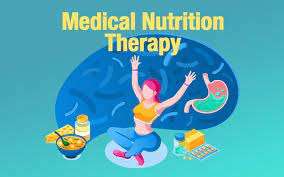
A proper diet is vital for managing cholesterol levels. Effective strategies focus on lowering LDL cholesterol while boosting HDL cholesterol through healthy eating habits.
- High cholesterol often presents no obvious symptoms but increases the risk of heart disease significantly over time.
- The diagnosis usually relies on lipid panel tests that measure various types of cholesterol in the blood.
- Treatment may involve adopting a heart-healthy diet rich in omega-3 fatty acids, fiber, and plant sterols while minimizing saturated fats and trans fats intake.
- Ongoing evaluations will help track cholesterol levels alongside dietary adjustments over time for better health outcomes.
Following a dedicated plan can make a profound difference in achieving desirable cholesterol levels for improved cardiovascular health.
HYPERTENSION DIETARY MANAGEMENT
Nutritional management of hypertension offers an opportunity to control blood pressure through diet. Effective dietary changes can significantly impact overall heart health.
- Symptoms related to high blood pressure may not always be present but can include headaches or shortness of breath in severe cases.
- The diagnostic process typically includes regular blood pressure readings along with dietary assessments to evaluate sodium intake.
- Treatment options involve implementing the DASH diet (Dietary Approaches to Stop Hypertension), reducing sodium consumption, and increasing potassium-rich foods like fruits and vegetables.
- Patients should anticipate routine follow-ups to monitor their progress towards optimal blood pressure levels through diet alone or alongside medication when necessary.
A commitment to these dietary strategies can lead to significant improvements in health outcomes for those affected by hypertension.
DIABETES NUTRITION THERAPY
Diabetes nutrition therapy plays an essential role in managing diabetes effectively. Proper dietary choices are fundamental to controlling blood sugar levels.
- Common symptoms associated with unmanaged diabetes include excessive thirst, frequent urination, and blurred vision.
- Diagnosis involves blood glucose testing and continuous monitoring of glycemic control through dietary intake assessments.
- Management strategies include carbohydrate counting, meal timing education, and creating balanced meal plans tailored to individual needs.
- Expect ongoing support to help navigate food choices effectively while managing blood sugar levels.
This personalized approach empowers individuals with diabetes to lead healthier lives through informed nutritional decisions.
WEIGHT MANAGEMENT
Weight management is crucial for overall health and well-being. It involves a tailored approach to achieving and maintaining a healthy weight through dietary changes and lifestyle modifications.
- Symptoms of weight issues can include fatigue, joint pain, or difficulty in daily activities.
- Diagnosis often includes body mass index (BMI) assessment, nutritional evaluations, and metabolic health screenings.
- Treatment and management options range from personalized meal planning to ongoing support for physical activity adjustments.
- Patients can expect regular reassessments of their progress and adaptations to the program as needed.
A successful weight management strategy not only aids in achieving specific weight goals but also promotes a healthier lifestyle overall.