
Dr Lal Path Labs
About Me
Dr Lal Path Labs
MD
Infectious disease specialists
Biography
My Clinic
OPD Hours
| Monday | Morning | 10:00 AM | - | 02:00 PM |
| Evening | 06:00 PM | - | 09:00 PM | |
| Tuesday | Morning | 10:00 AM | - | 02:00 PM |
| Evening | 06:00 PM | - | 09:00 PM | |
| Wednesday | Morning | 10:00 AM | - | 02:00 PM |
| Evening | 06:00 PM | - | 09:00 PM | |
| Thursday | Morning | 10:00 AM | - | 02:00 PM |
| Evening | 06:00 PM | - | 09:00 PM | |
| Friday | Morning | 10:00 AM | - | 02:00 PM |
| Evening | 06:00 PM | - | 09:00 PM | |
| Saturday | Morning | 10:00 AM | - | 02:00 PM |
| Evening | 06:00 PM | - | 09:00 PM | |
| Sunday | Morning | 10:00 AM | - | 02:00 PM |
| Evening | 06:00 PM | - | 09:00 PM |
Treatments
Specialised care and treatments offered
CHRONIC FATIGUE SYNDROME MANAGEMENT
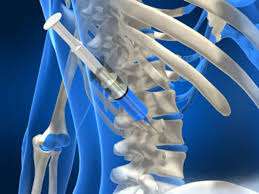
The management of Chronic Fatigue Syndrome (CFS), also known as myalgic encephalomyelitis (ME), focuses primarily on alleviating symptoms rather than curing the condition itself due its complex nature surrounding etiology still under investigation .Acknowledged diagnostic criteria employed include ruling out underlying infections/autoimmune disorders correlating alongside patient history assessment validating symptomatology framework paving pathways onward from initial evaluation stages .< / l i < l i < s tr ong>Selecting integrated therapeutic regimes addressing physical activity adjustments coupled alongside cognitive behavioral interventions holds merit alongside pharmacological measures blended into holistic frameworks based upon wellness goals reflected by respective discussions throughout care processes tailored uniquely per patient circumstances amid CFS challenges faced regularly seen today.< / l i < l i < s tr ong>Coping mechanisms via continuous support groups available locally represent invaluable resources encouraging building resilience enhancing self-management techniques fostering positive engagement within community wide frameworks empowering shared experiences bringing light towards finding paths forward beyond physical limitations encountered daily life scenarios prevalent concerning this prevalent affliction affecting countless populations worldwide currently evolving research endeavors addressing diverse perspectives .< / l i < / u l
An open dialogue emphasizing patience/staying informed strengthens collaborative efforts yielding supportive environments where understanding flourishes — offering hope despite uncertainties linked towards managing chronic fatigue syndrome autonomously every step undertaken matters profoundly .< / p
MANAGEMENT OF LYME DISEASE

Lime disease results from bacteria transmitted through tick bites. Early recognition allows for effective treatment strategies that enhance recovery outcomes while minimizing potential long-term effects on health
.- Symptoms: Initial symptoms can include fever, chills, headache, fatigue, muscle soreness ,and characteristic 'bull’s-eye' rash in some patients.
- Diagnosis: Diagnosis often relies on patient history related to tick exposure combined with blood tests that assess antibodies produced against Lyme bacteria.
- Treatment: Early-stage Lyme disease typically responds well to oral antibiotics prescribed over a few weeks; more advanced cases may require intravenous treatments.
- Expectations: Monitoring symptoms closely ensures prompt action against any recurring issues post-treatment; regular check-ups focus on overall well-being after recovery path concluded.
Prompt attention towards managing Lyme disease greatly increases chances for successful long-term health maintenance following exposure risks encountered outdoors .
SEXUALLY TRANSMITTED INFECTION (STI) TESTING

TUBERCULOSIS SCREENING

Tuberculosis (TB) screening is vital for identifying latent or active TB infections early. This process can help ensure timely intervention and reduce the risk of transmission.
- Symptoms: Active TB might cause persistent coughs, night sweats, fever, weight loss, or fatigue; however, many individuals may remain asymptomatic in latent stages.
- Diagnosis: Screening usually involves a skin test (Mantoux test) or blood tests followed by chest X-rays if necessary for confirmation of active TB.
- Treatment management: Treatment often includes a prolonged course of antibiotics aimed at eradicating the bacteria from the body.
- Your journey: Regular check-ups will help track progress and address any potential side effects from medication.
This proactive approach contributes significantly toward public health efforts in combating tuberculosis globally.
VACCINATION FOR HEPATITIS B

The Hepatitis B vaccine is a safe and effective way to protect against a serious liver infection caused by the Hepatitis B virus. This vaccination is particularly recommended for individuals at higher risk or those living in areas where the virus is common.
- Causes: Hepatitis B spreads through contact with infectious body fluids; it can be transmitted via sexual contact, shared needles, or from mother to child during childbirth.
- Diagnosis: Diagnosis typically involves blood tests to detect the presence of Hepatitis B surface antigens (HBsAg).
- Treatment options: While there’s no specific treatment for acute infection, chronic cases may require antiviral medications to manage symptoms and prevent complications.
- What to expect: The vaccination involves a series of shots over six months; side effects are generally mild.
This preventive measure plays an essential role in reducing the incidence of hepatitis-related liver disease.
HIV TESTING AND COUNSELING

Human Immunodeficiency Virus (HIV) testing is an essential procedure for diagnosing and managing HIV infections. Early detection is crucial for effective treatment and care, which can significantly improve quality of life.
- Symptoms: Many individuals may not exhibit symptoms initially; however, some might experience flu-like symptoms within 2-4 weeks post-infection.
- Diagnosis: HIV is diagnosed through blood tests, including antibody tests and viral load tests, often conducted in clinical settings.
- Treatment: Antiretroviral therapy (ART) is the primary management option that helps people with HIV live longer, healthier lives by controlling the virus.
- What to expect: Regular follow-up appointments will be necessary to monitor your health and adjust treatment as needed.
Understanding your HIV status empowers you to take necessary steps towards maintaining health and preventing transmission.