
Dr Lal Path Labs
About Me
Dr Lal Path Labs
MBBS
General Physician
10 Years Experience
Biography
My Clinic
OPD Hours
| Monday | Morning | 10:00 AM | - | 02:00 PM |
| Evening | 06:00 PM | - | 09:00 PM | |
| Tuesday | Morning | 10:00 AM | - | 02:00 PM |
| Evening | 06:00 PM | - | 09:00 PM | |
| Wednesday | Morning | 10:00 AM | - | 02:00 PM |
| Evening | 06:00 PM | - | 09:00 PM | |
| Thursday | Morning | 10:00 AM | - | 02:00 PM |
| Evening | 06:00 PM | - | 09:00 PM | |
| Friday | Morning | 10:00 AM | - | 02:00 PM |
| Evening | 06:00 PM | - | 09:00 PM | |
| Saturday | Morning | 10:00 AM | - | 02:00 PM |
| Evening | 06:00 PM | - | 09:00 PM | |
| Sunday | Morning | 10:00 AM | - | 02:00 PM |
| Evening | 06:00 PM | - | 09:00 PM |
Treatments
Specialised care and treatments offered
GASTROESOPHAGEAL REFLUX DISEASE (GERD)
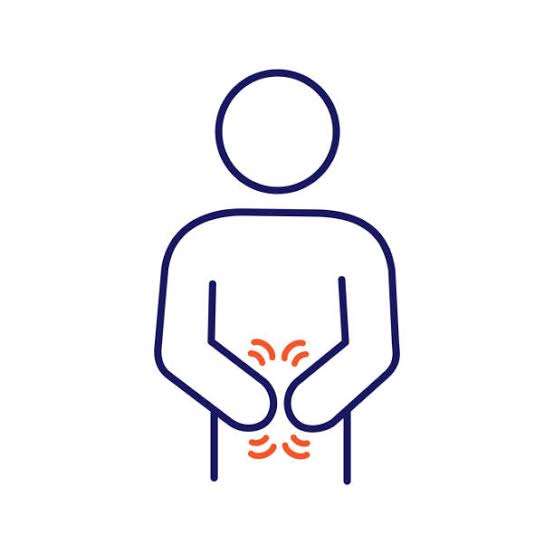
GERD is a chronic digestive disorder resulting from stomach acid flowing back into the esophagus. This backflow can lead to discomforting symptoms that impact daily living if not addressed properly over time..
- Symptoms : Common signs encompass heartburn occurring after meals , regurgitation , difficulty swallowing , or persistent cough especially at night .
- Causes : Factors contributing include obesity , consumption of acidic foods , smoking habits , pregnancy among others ..
- Diagnosis : GERD diagnosis typically relies on patient history along with endoscopy procedures for layered analysis when necessary .
- Treatment : Effective management commonly involves dietary changes , elevating head during sleep plus medications like proton pump inhibitors aiming at reducing acid production.
THYROID DISORDERS

The thyroid gland plays a crucial role in regulating metabolism through hormone production. Disorders like hypothyroidism or hyperthyroidism disrupt this balance leading to various health issues requiring careful attention.
- Symptoms: Symptoms vary widely depending on the disorder type; hypothyroidism may present fatigue and weight gain while hyperthyroidism often leads to anxiety and weight loss issues.
- Causes : Autoimmune conditions frequently cause these disorders but other factors such as iodine deficiency or certain medications should not be overlooked either.
- Diagnosis : Blood tests measuring TSH (Thyroid-Stimulating Hormone) are routinely conducted for accurate diagnosis of thyroid dysfunctions.
- Treatment : Depending on the specific disorder; treatment modalities might involve hormone replacement therapies for hypothyroidism or antithyroid medications in hyperthyroidism cases.
Identifying thyroid disorders early allows effective interventions thereby minimizing potential complications related directly impacting daily life quality
CHOLESTEROL MANAGEMENT
Elevated cholesterol levels can lead to serious cardiovascular issues over time. Understanding cholesterol's role in your health is vital for effective management strategies aimed at reducing risks associated with heart diseases.
- Symptoms: High cholesterol often exhibits no clear symptoms until significant arterial blockage occurs; thus regular screening is essential.
- Causes: Factors contributing to high cholesterol include an unhealthy diet rich in saturated fats, lack of physical activity, smoking habits, and genetics.
- Diagnosis: Blood tests called lipid panels measure total cholesterol levels alongside HDL (good) and LDL (bad) cholesterol levels for accurate assessment.
- Treatment: Lifestyle modifications such as adopting a heart-healthy diet, quitting smoking, increasing physical activity coupled with medications like statins may be recommended for lowering cholesterol levels effectively.
Your proactive engagement in managing cholesterol can greatly influence overall cardiovascular health positively over time.
ASTHMA CONTROL
Asthma is a chronic respiratory condition that affects the airways in your lungs. Managing asthma is essential for maintaining quality of life and avoiding severe attacks.
- Symptoms: Individuals may experience shortness of breath, wheezing, coughing (especially at night), and chest tightness during an attack.
- Causes: Triggers vary widely but often include allergens (like pollen), pollution, exercise-induced bronchoconstriction, or respiratory infections.
- Diagnosis: Evaluation typically involves a thorough medical history review along with lung function tests to assess airway obstruction severity.
- Treatment: Management strategies usually involve inhalers for bronchodilation as well as anti-inflammatory medications. Lifestyle adjustments also play an important role in minimizing exposure to triggers.
A comprehensive asthma action plan created with healthcare professionals can significantly enhance control over this condition.
DIABETES MANAGEMENT

Diabetes is a chronic condition affecting how your body processes glucose. There are different types of diabetes, including Type 1 and Type 2 diabetes, both requiring different management approaches.
- Symptoms: Common symptoms include increased thirst, frequent urination, extreme fatigue, and blurred vision.
- Causes: Genetic factors play a role in Type 1 diabetes while lifestyle choices significantly contribute to Type 2 diabetes development.
- Diagnosis: Diabetes is diagnosed using blood tests that measure glucose levels; fasting glucose tests or A1C tests are commonly used methods.
- Treatment: Management includes lifestyle changes such as a balanced diet and regular physical activity. Medications or insulin therapy may be required for better control of blood sugar levels.
- What to expect: With proper management and education about the condition, individuals can maintain normal blood sugar levels and lead healthy lives.
A proactive approach to monitoring glucose levels can help prevent complications associated with diabetes.
HYPERTENSION
Hypertension, or high blood pressure, is a common condition that can lead to severe health complications if left untreated. It often develops over many years and can be influenced by various factors, including genetics and lifestyle choices.
- Symptoms: Many individuals experience no symptoms; however, some may notice headaches, shortness of breath, or nosebleeds.
- Causes: Factors such as obesity, lack of physical activity, high salt intake, and excessive alcohol use can contribute to the disease.
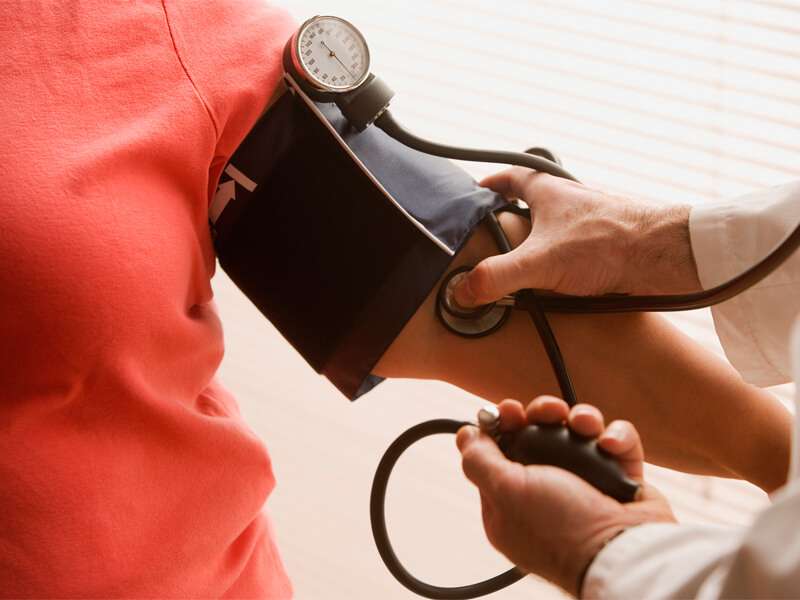
- Diagnosis: Blood pressure readings are taken during routine check-ups; consistent readings above 130/80 mmHg may indicate hypertension.
- Treatment: Management options include lifestyle changes like diet modification and regular exercise, along with medications such as diuretics or ACE inhibitors.
- What to expect: Regular monitoring and adherence to prescribed treatments can help control blood pressure levels effectively.
Early detection through regular check-ups is crucial in managing hypertension effectively and reducing the risk of heart disease and stroke.