
Dr Lal Path Labs collection center
About Me
Dr Lal Path Labs collection center
MBBS
General Physician
10 Years Experience
Biography
My Clinic
OPD Hours
| Monday | Morning | 10:00 AM | - | 02:00 PM |
| Evening | 06:00 PM | - | 09:00 PM | |
| Tuesday | Morning | 10:00 AM | - | 02:00 PM |
| Evening | 06:00 PM | - | 09:00 PM | |
| Wednesday | Morning | 10:00 AM | - | 02:00 PM |
| Evening | 06:00 PM | - | 09:00 PM | |
| Thursday | Morning | 10:00 AM | - | 02:00 PM |
| Evening | 06:00 PM | - | 09:00 PM | |
| Friday | Morning | 10:00 AM | - | 02:00 PM |
| Evening | 06:00 PM | - | 09:00 PM | |
| Saturday | Morning | 10:00 AM | - | 02:00 PM |
| Evening | 06:00 PM | - | 09:00 PM | |
| Sunday | Morning | 10:00 AM | - | 02:00 PM |
| Evening | 06:00 PM | - | 09:00 PM |
Treatments
Specialised care and treatments offered
COMMON COLD DIAGNOSIS AND TREATMENT
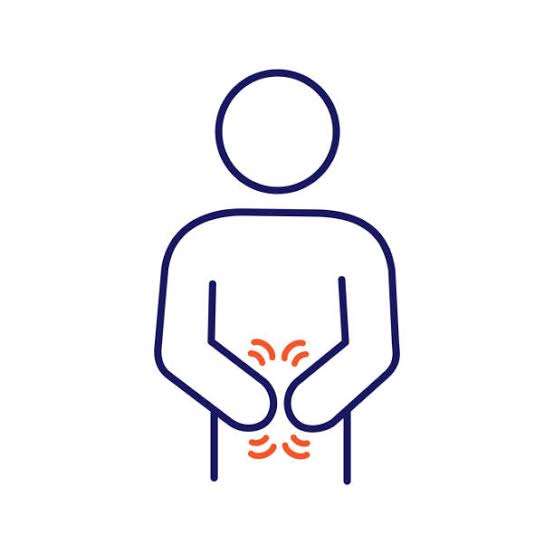
A common cold is caused by viral infections resulting in respiratory tract inflammation. While it’s often mild in nature, understanding its symptoms helps facilitate quicker recovery times!
- Sneezing, coughs, runny nose, sore throat – these classic signs indicate infection presence usually peaking around days 2-3 post-exposure!
- Diagnosis primarily involves physical exam plus patient history review since no specific tests exist for colds themselves.
- Self-care methods including rest while also employing fluids intake combined with supportive medications can ease severity impact here ;
- Expect symptomatic improvements within three days but remaining vigilant about persistent symptoms signaling potential secondary infections!
Simple precautions play critical roles: practice good hygiene alongside avoidance measures when encountering ill individuals!
PREVENTIVE HEALTH CHECKUPS

Preventive health checkups play an integral role in maintaining good health by identifying potential issues before they develop into serious conditions. Regular assessments are recommended across various age groups!
- No immediate symptoms are present; however, checkups focus on general wellness indicators like blood pressure readings and cholesterol levels among others.
- Certain diagnostic tests like blood tests, urine analysis, or imaging studies may be indicated depending on risk factors identified during the visit.
- This proactive approach aims not just at detecting problems but also at mitigating risks through timely interventions such as advice on lifestyle changes or vaccinations when necessary.
The importance of preventive measures cannot be overstated; they lay groundwork for longer life free from significant health challenges later down the line!
GASTROESOPHAGEAL REFLUX DISEASE (GERD) MANAGEMENT
GERD is a digestive disorder where stomach acid flows back into the esophagus causing discomfort. It’s essential for those suffering from it to seek proper evaluation for effective management.
- Main symptoms typically include heartburn, regurgitation, chest pain, or difficulty swallowing.
- A physician will perform physical assessments along with potential endoscopy or pH testing for proper diagnosis.
- Treatment options often comprise dietary modifications, lifestyle changes like weight management, alongside medications like proton pump inhibitors (PPIs).
- Lifelong management strategies might be required for chronic cases to maintain comfort and prevent recurrence of symptoms.
The goal is not only symptom relief but also prevention of further esophageal damage through ongoing care strategies tailored to individual needs.
RESPIRATORY INFECTIONS TREATMENT
Respiratory infections are common ailments that can affect individuals of all ages. Timely diagnosis and appropriate treatment are key to recovery.
- Common symptoms include cough, fever, difficulty breathing, or chest discomfort.
- A healthcare provider will evaluate symptoms through a physical exam and may request x-rays or lab tests if needed for accurate diagnosis.
- Treatment often includes rest, hydration, over-the-counter medications for symptom relief, and possibly antibiotics if a bacterial infection is confirmed.
- Patients should expect follow-up care to monitor recovery progress and address any concerns during the healing process.
Taking steps early in managing respiratory infections can greatly improve recovery times and overall health outcomes.
DIABETES SCREENING AND MANAGEMENT

Diabetes is a chronic condition that affects how your body processes glucose. Early detection and management are crucial in preventing complications associated with this disease.
- The early signs might include excessive thirst, frequent urination, or unexplained weight loss.
- A blood test measuring hemoglobin A1C, alongside fasting glucose levels, helps diagnose diabetes.
- Treatment could involve lifestyle changes like a balanced diet and regular physical activity, sometimes coupled with medications or insulin therapy.
- Routine follow-ups are critical for monitoring blood sugar levels and making necessary adjustments to the treatment plan.
- Persistent management can help maintain quality of life and minimize the risks of long-term complications such as neuropathy or cardiovascular issues.
Taking proactive steps in managing diabetes leads to better outcomes and healthier living.
HYPERTENSION MANAGEMENT
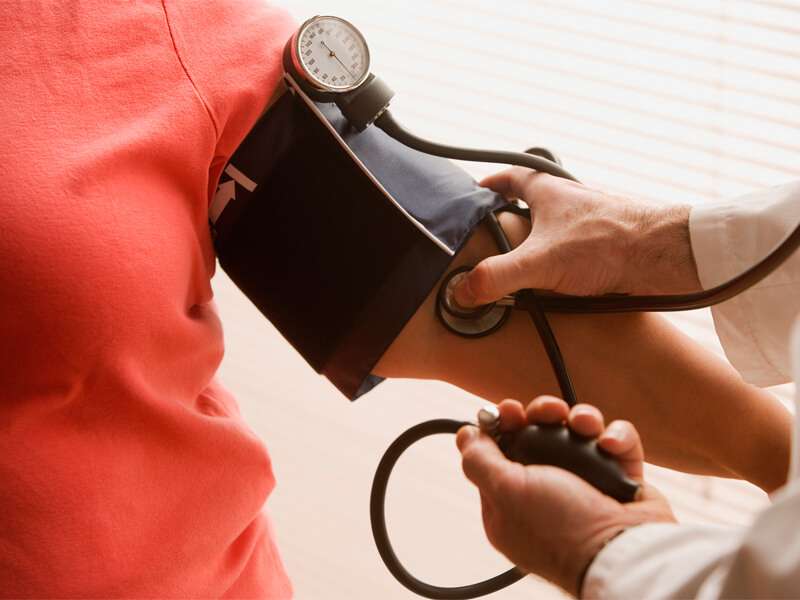
Hypertension, often known as high blood pressure, is a common condition that can lead to serious health issues if left untreated. It is important to monitor and manage this condition effectively.
- Symptoms may include severe headaches, fatigue, or vision problems.
- Diagnosis typically involves a blood pressure measurement along with additional tests to assess overall heart health.
- Treatment may consist of lifestyle changes such as diet and exercise, in addition to medications like diuretics or ACE inhibitors.
- Regular monitoring of blood pressure is essential to ensure levels remain within an acceptable range.
- Patients should expect periodic evaluations and possible adjustments in their treatment regimen based on their response.
Effective management of hypertension can significantly reduce the risk of more severe complications such as stroke or heart disease.