
Dr Krishna Kumar Mishra
About Me
Dr Krishna Kumar Mishra
MBBS
General Physician
23 Years Experience
Biography
My Clinic
OPD Hours
| Monday | Morning | 09:00 AM | - | 12:00 PM |
| Evening | 01:00 PM | - | 08:00 PM | |
| Tuesday | Morning | 09:00 AM | - | 12:00 PM |
| Evening | 01:00 PM | - | 08:00 PM | |
| Wednesday | Morning | 09:00 AM | - | 12:00 PM |
| Evening | 01:00 PM | - | 08:00 PM | |
| Thursday | Morning | 09:00 AM | - | 12:00 PM |
| Evening | 01:00 PM | - | 08:00 PM |
Treatments
Specialised care and treatments offered
ANEMIA INVESTIGATION
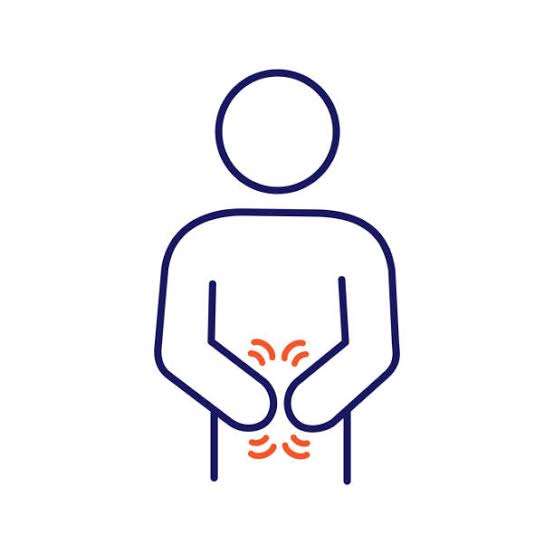
Anemia occurs when there aren't enough healthy red blood cells to carry adequate oxygen throughout the body. Identifying its cause is essential in managing this condition effectively!
- The most common types include iron-deficiency anemia which can present symptoms such as fatigue pallor dizziness among others; however more severe cases may require immediate attention!
THYROID DYSFUNCTION SCREENING

The thyroid gland plays a vital role in regulating metabolism. Disorders such as hypothyroidism or hyperthyroidism can disrupt bodily functions significantly if left unchecked.
- Symptoms might manifest as weight changes, energy level fluctuations, mood disturbances or temperature sensitivity depending on the nature of the dysfunction experienced by an individual.
- A simple blood test measuring Thyroid Stimulating Hormone (TSH) levels helps diagnose thyroid disorders accurately!
- Treatment approaches generally include hormone replacement therapy for hypothyroidism or antithyroid medications for hyperthyroidism aimed at restoring normal hormonal balance within the body!
Monitoring thyroid function regularly ensures effective management of these conditions over time while minimizing potential complications!
INFECTIOUS DISEASE MANAGEMENT
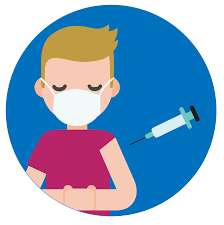
Infectious diseases can be caused by bacteria, viruses, fungi or parasites. Proper diagnosis and treatment are essential to prevent their spread or complications.
- Symptoms vary greatly based on the infection but often include fever, fatigue, and localized pain depending on the affected area of the body.
- An accurate diagnosis requires medical history assessment along with laboratory testing such as cultures or imaging studies when needed.
- Treatment may involve antibiotics for bacterial infections or antiviral medications for viral infections; supportive care is also key in managing symptoms effectively.
- Prevention strategies like vaccinations can reduce the risk of certain infectious diseases significantly.
A thorough evaluation by a healthcare provider enables appropriate interventions tailored to individual needs during outbreaks or epidemics.
CHOLESTEROL EVALUATION
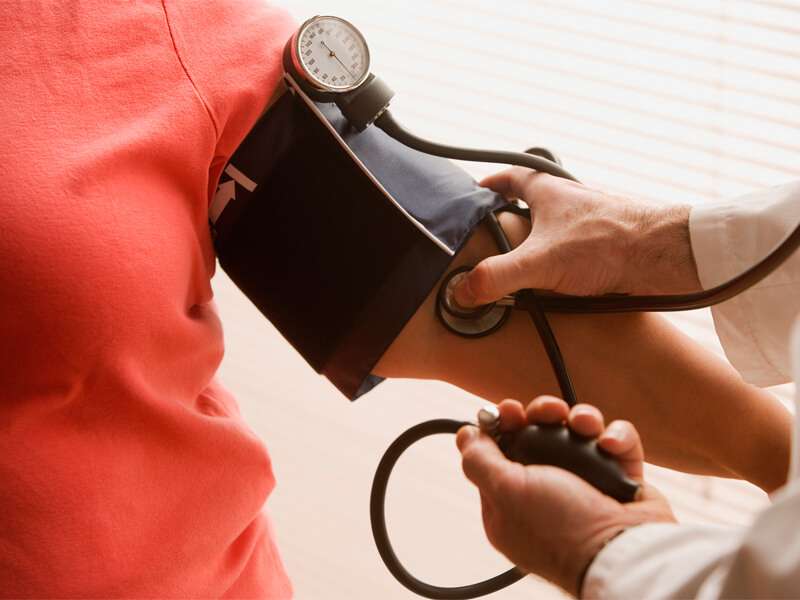
Elevated cholesterol levels can significantly increase the risk of cardiovascular diseases. Evaluating cholesterol is critical for assessing heart health.
- Symptoms of high cholesterol are often absent until serious conditions develop, making screening important for early detection.
- A lipid panel blood test measures total cholesterol, LDL (bad cholesterol), HDL (good cholesterol), and triglycerides to determine cardiovascular risks.
- If high levels are found, changes in diet and physical activity are usually recommended; medication may be prescribed when necessary.
- The goal of treatment is to lower bad cholesterol while raising good cholesterol levels for better heart health outcomes.
Routine evaluations help in creating personalized prevention strategies for maintaining optimal wellness.
DIABETES SCREENING

Diabetes is a metabolic disorder that affects how the body processes glucose. Early detection is vital in preventing complications related to this condition.
- Symptoms might include excessive thirst, frequent urination, and fatigue; however, many cases go undiagnosed until significant damage occurs.
- Screening usually involves blood tests like the Fasting Plasma Glucose or HbA1c test to assess glucose levels over time.
- If diagnosed with diabetes, treatment plans may incorporate lifestyle modifications along with insulin therapy or oral medications to control blood sugar levels.
- Regular monitoring is essential for managing diabetes effectively and ensuring long-term health outcomes.
Consultation with healthcare professionals aids in understanding the disease and how best to manage it.
HYPERTENSION MANAGEMENT
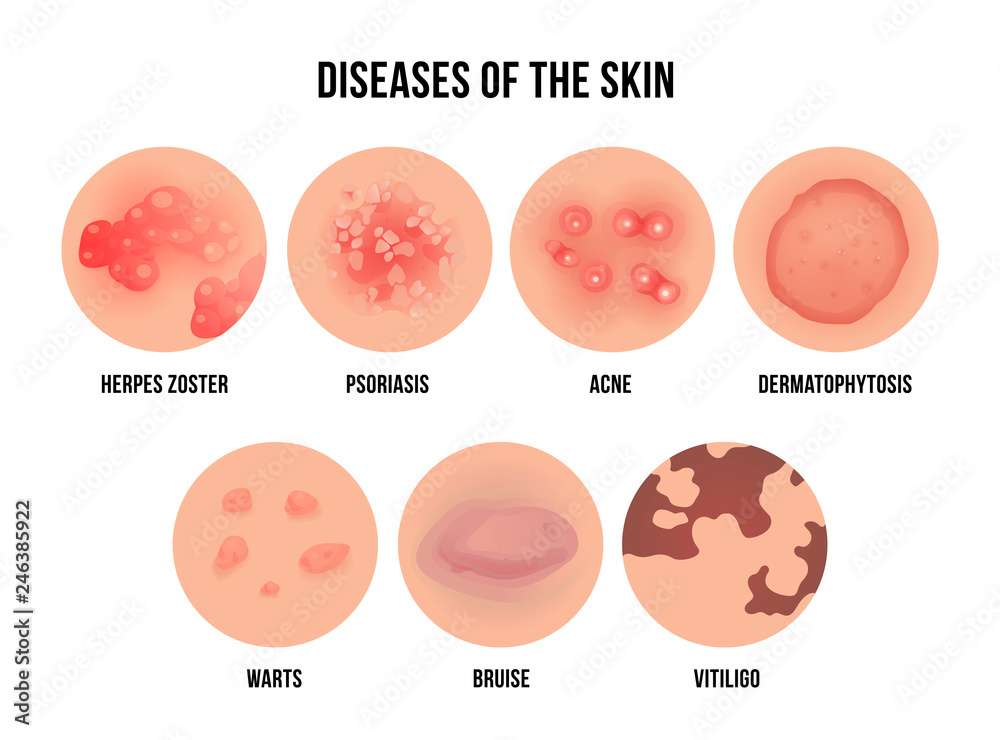
Hypertension, or high blood pressure, is a common health issue that can lead to serious complications if not managed properly. It is often referred to as a 'silent killer' because many individuals may not exhibit noticeable symptoms.
- Common symptoms include headaches, shortness of breath, and nosebleeds, though many people may remain asymptomatic.
- Diagnosis is typically made through routine blood pressure monitoring and may include further tests such as blood work or an electrocardiogram.
- Treatment options range from lifestyle changes, such as diet and exercise, to medications like diuretics or ACE inhibitors.
- With effective management, patients can maintain healthy blood pressure levels and reduce their risk of heart disease and stroke.
Regular check-ups with a healthcare provider are crucial for monitoring progress and making necessary adjustments to treatment plans.