
Dr Kiran Kaushal
About Me
Dr Kiran Kaushal
MBBS
Internal Medicine
10 Years Experience
Biography
My Clinic
OPD Hours
| Monday | Morning | 10:00 AM | - | 02:00 PM |
| Evening | 06:00 PM | - | 09:00 PM | |
| Tuesday | Morning | 10:00 AM | - | 02:00 PM |
| Evening | 06:00 PM | - | 09:00 PM | |
| Wednesday | Morning | 10:00 AM | - | 02:00 PM |
| Evening | 06:00 PM | - | 09:00 PM | |
| Thursday | Morning | 10:00 AM | - | 02:00 PM |
| Evening | 06:00 PM | - | 09:00 PM | |
| Friday | Morning | 10:00 AM | - | 02:00 PM |
| Evening | 06:00 PM | - | 09:00 PM | |
| Saturday | Morning | 10:00 AM | - | 02:00 PM |
| Evening | 06:00 PM | - | 09:00 PM | |
| Sunday | Morning | 10:00 AM | - | 02:00 PM |
| Evening | 06:00 PM | - | 09:00 PM |
Treatments
Specialised care and treatments offered
ANEMIA EVALUATION AND MANAGEMENT
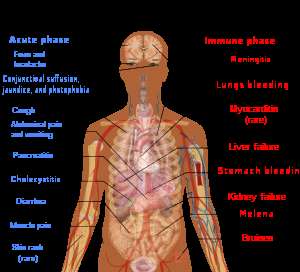
Anemia refers to a decrease in red blood cells or hemoglobin leading to reduced oxygen delivery throughout the body. Identifying the cause enables targeted treatment strategies improving wellbeing significantly over time.
- Symptoms : Fatigue , weakness , pale skin , shortness of breath , dizziness may suggest anemia requiring investigation .
- Diagnostic Workup : Complete blood count , serum ferritin , vitamin B12 , folate levels , kidney function tests determine anemia type aiding specific interventions .
- Treatment Options : Iron supplementation for iron deficiency anemia ; vitamin B12 injections if deficient ; treating underlying chronic disease forms part of overall management .
- Prognosis : With appropriate therapy correctable anemias respond well restoring energy levels whereas chronic illness induced types require ongoing care coordination .
Regular monitoring combined with addressing causative factors ensures improvement maintaining healthy red cell counts promoting overall vitality .
GASTROESOPHAGEAL REFLUX DISEASE (GERD)
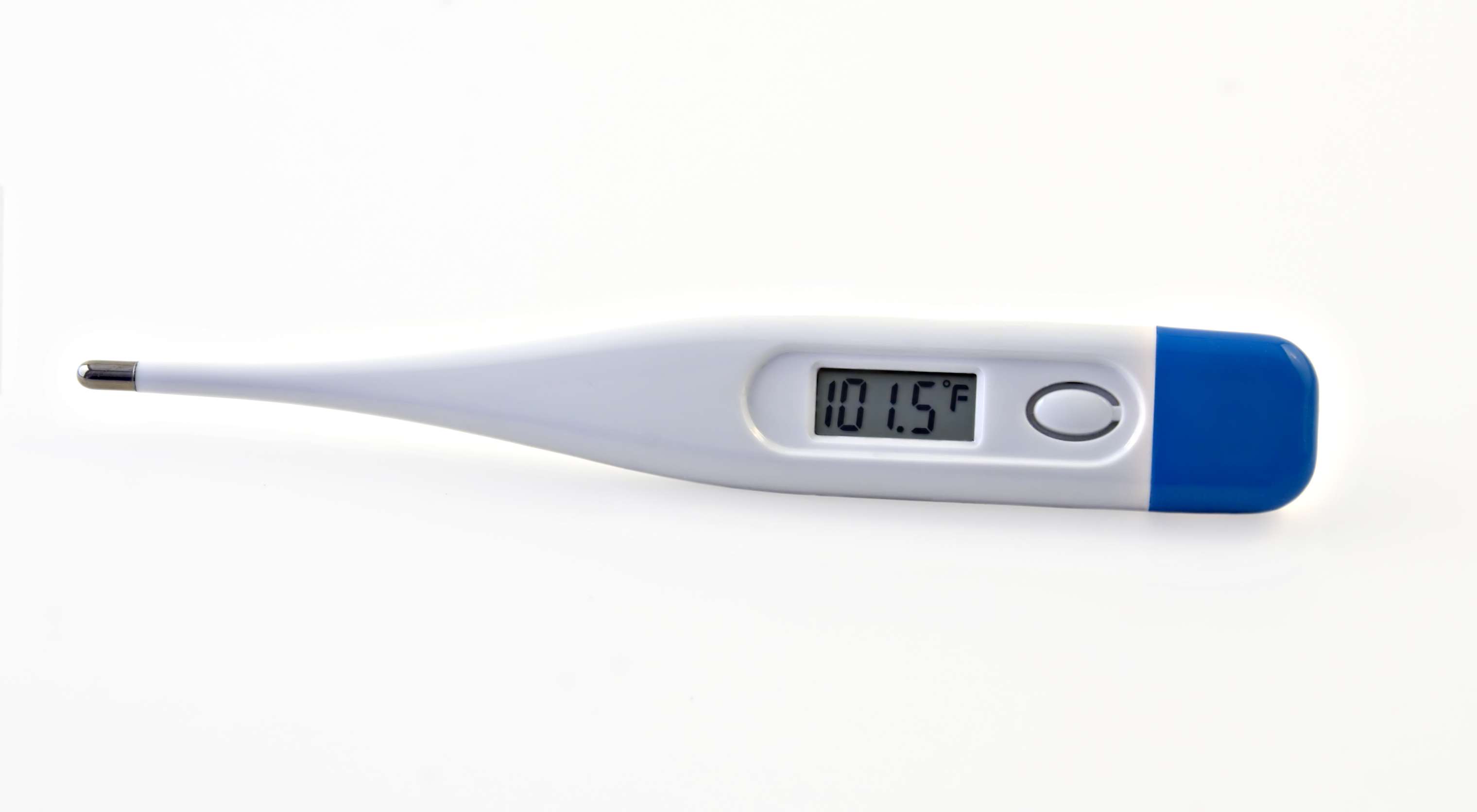
This digestive condition occurs when stomach acid frequently flows back into the esophagus causing discomfort. Managing GERD improves esophageal health and quality of life significantly.
- Main Symptoms: Heartburn sensation after meals or at night along with regurgitation of food or sour liquid are common complaints reported by patients with GERD.
- Causative Factors & Diagnosis: Weak lower esophageal sphincter function coupled with lifestyle habits usually causes reflux; diagnosis often involves endoscopy or pH monitoring tests if needed to exclude other issues. Treatment Strategies:A combination of lifestyle changes (avoiding triggers like spicy food), proton pump inhibitors (PPIs) or H2 blockers medication controls acid secretion efficiently. Kissing Xylem Mature, Sugar, `Treatment Strategies:`, Pillows, Curtains, Nutrient.Your Expectations:`The goal is symptom relief initially followed by measures preventing recurrence through ongoing management including dietary caution suitable for each individual.”
HYPOTHYROIDISM TREATMENT
An underactive thyroid gland results in insufficient hormone production that slows down many bodily functions. This endocrine disorder requires lifelong attention once diagnosed.
- Typical Presentations: Fatigue, weight gain, cold intolerance, dry skin among others may indicate hypothyroidism; autoimmune thyroiditis is a leading cause.
- How It’s Diagnosed: Blood tests measuring TSH (thyroid-stimulating hormone) and free T4 hormones confirm diagnosis accurately.
- Treatment Regimen: Daily oral levothyroxine replacement therapy restores normal hormone levels effectively when dosed appropriately according to regular monitoring results.
- Your Expectations: Symptoms generally improve gradually after starting treatment although lifelong medication adherence is necessary for optimal health maintenance.
Lifelong follow-up ensures proper dosing adjustments that keep metabolism steady while minimizing potential side effects from overtreatment.
CHRONIC OBSTRUCTIVE PULMONARY DISEASE (COPD)
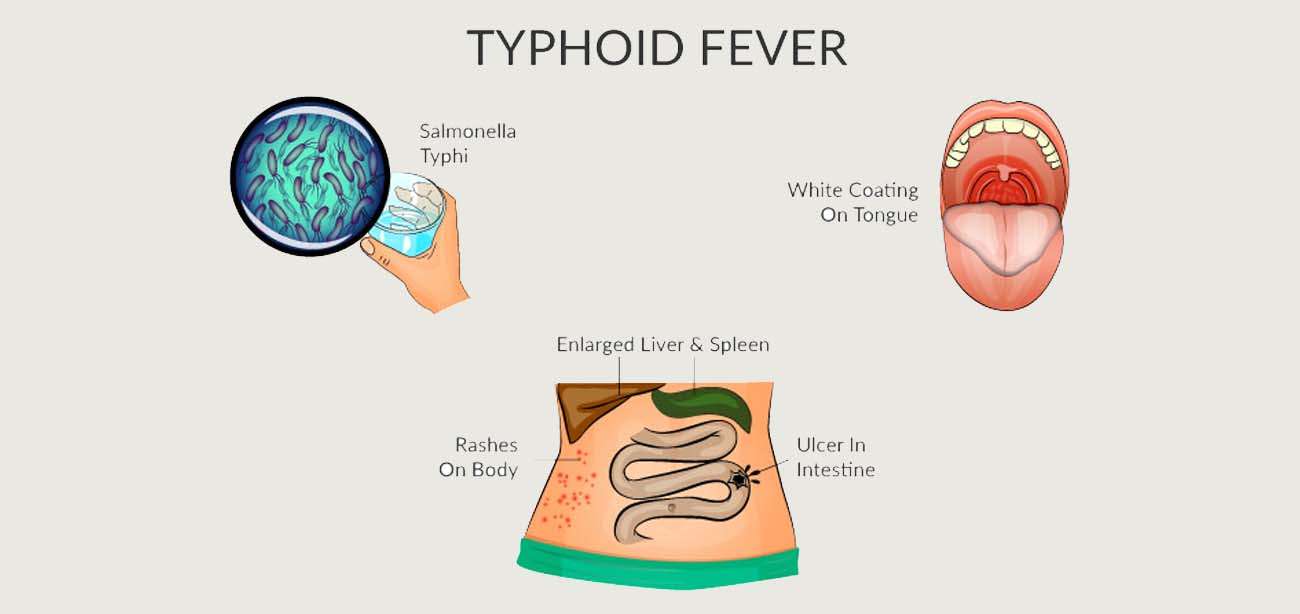
COPD is a progressive lung disease characterized by airflow limitation that worsens over time. Recognition early in its course aids in symptom management and slowing progression.
- Main Causes: Long-term exposure to cigarette smoke or pollutants primarily leads to COPD development; genetic factors may also contribute.
- Symptoms Include: Persistent cough with mucus production, shortness of breath especially during exertion, wheezing, and chest tightness are common signs.
- Diagnostic Tools: Pulmonary function tests including spirometry evaluate lung capacity; imaging studies assist in assessing severity.
- Treatment Methods: Smoking cessation remains crucial; bronchodilators, corticosteroids inhalers, pulmonary rehabilitation programs support symptom alleviation.
An individualized treatment strategy focusing on symptom relief improves daily functioning and reduces exacerbations for those living with COPD.
TYPE 2 DIABETES MELLITUS CARE
This metabolic disorder involves high blood sugar levels due to insulin resistance or insufficient insulin production. Proper management is vital to prevent serious complications.
- Causes and Symptoms: Risk factors include obesity, sedentary lifestyle, family history; symptoms may involve increased thirst, frequent urination, fatigue, or blurred vision.
- Diagnostic Criteria: Blood tests such as fasting glucose levels, HbA1c measurements, and oral glucose tolerance tests aid diagnosis.
- Treatment Approaches: Combining dietary adjustments, weight control, exercise with oral hypoglycemics or insulin therapy tailored to individual needs is standard practice.
- Long-Term Management: Monitoring blood sugar regularly helps avoid issues like neuropathy, retinopathy, and cardiovascular diseases.
A comprehensive care plan focusing on lifestyle and medication adherence supports effective diabetes control for better quality of life.
HYPERTENSION MANAGEMENT
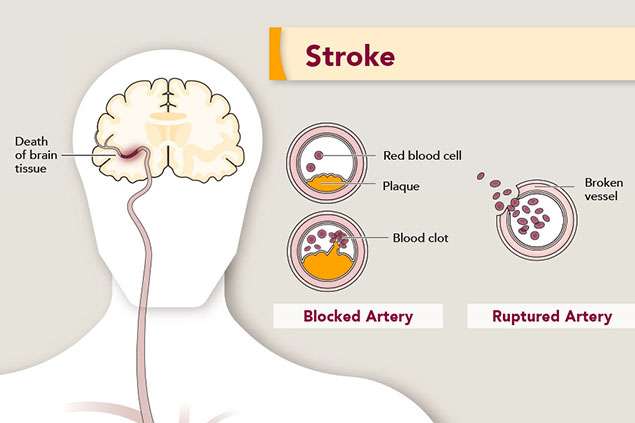
High blood pressure is a common yet serious condition affecting millions worldwide. Uncontrolled hypertension increases the risk of heart disease and stroke but can often be managed effectively.
- Symptoms and Causes: Often called a "silent killer" as it may show no symptoms, hypertension can result from genetics, lifestyle factors like diet and inactivity, or other medical conditions.
- Diagnosis: Blood pressure readings taken on multiple occasions using a sphygmomanometer confirm the diagnosis; ambulatory monitoring may be employed for accuracy.
- Treatment Options: Lifestyle modifications such as diet changes, physical activity, and medications including ACE inhibitors, beta-blockers, or diuretics help control blood pressure.
- Management Expectations: Regular monitoring and adherence to prescribed therapy are essential to reduce complications like heart attacks or kidney damage.
Consistent care and patient education empower individuals to maintain healthy blood pressure levels and improve long-term outcomes.