
Dr Khursheedur Rahman Khan
About Me
Dr Khursheedur Rahman Khan
MS
Ophthalmologist
10 Years Experience
Biography
My Clinic
OPD Hours
| Monday | Morning | 10:00 AM | - | 02:00 PM |
| Evening | 06:00 PM | - | 09:00 PM | |
| Tuesday | Morning | 10:00 AM | - | 02:00 PM |
| Evening | 06:00 PM | - | 09:00 PM | |
| Wednesday | Morning | 10:00 AM | - | 02:00 PM |
| Evening | 06:00 PM | - | 09:00 PM | |
| Thursday | Morning | 10:00 AM | - | 02:00 PM |
| Evening | 06:00 PM | - | 09:00 PM | |
| Friday | Morning | 10:00 AM | - | 02:00 PM |
| Evening | 06:00 PM | - | 09:00 PM | |
| Saturday | Morning | 10:00 AM | - | 02:00 PM |
| Evening | 06:00 PM | - | 09:00 PM | |
| Sunday | Morning | 10:00 AM | - | 02:00 PM |
| Evening | 06:00 PM | - | 09:00 PM |
Treatments
Specialised care and treatments offered
PEDIATRIC EYE CARE SERVICES
Pediatric eye care encompasses a wide range of services aimed at diagnosing and treating children's unique ocular health needs. Early diagnosis is vital for preventing long-term issues related to visual impairment among children.
- Pediatric conditions may include amblyopia (lazy eye), strabismus (crossed eyes), or refractive errors resulting in blurred vision impacting learning abilities at school age.
- Eye exams are recommended starting around six months old; further assessments are conducted every couple of years thereafter or more frequently if problems arise.
- Treatment methods might involve corrective glasses, patching therapy for amblyopia, along with exercises tailored specifically towards enhancing visual skills.
Close collaboration between parents, teachers, and healthcare providers ensures that children receive comprehensive support throughout their developmental stages while addressing any ocular concerns effectively.
AGE-RELATED MACULAR DEGENERATION (AMD) TREATMENT

A progressive eye condition affecting central vision primarily seen in older adults. AMD can significantly impact daily activities such as reading or recognizing faces if not managed effectively over time.
- The main symptoms include blurriness in the central visual field and distorted images that make reading difficult despite having adequate peripheral vision intact.
- A thorough evaluation involving optical coherence tomography (OCT) allows your doctor to examine the macula closely for signs of degeneration during diagnostics.
- Treatments may vary; options include injections of anti-VEGF agents into the eye or photodynamic therapy based on severity and type of AMD diagnosed.
Regular monitoring and timely treatment can help slow progression and maintain quality of life when dealing with AMD challenges over time.
RETINAL DETACHMENT SURGERY

A retinal detachment occurs when the retina separates from its underlying supportive tissue, potentially leading to permanent vision loss if not addressed promptly. Understanding this urgent condition can be life-changing for patients facing it.
- If you experience sudden flashes of light or an increase in floaters, these could be early signs of detachment requiring immediate attention.
- Dilated fundus examination helps detect retinal tears or detachments during an initial assessment by an ophthalmologist.
- Surgical options such as scleral buckling, vitrectomy, or pneumatic retinopexy are typically employed based on individual circumstances.
- The recovery period involves monitoring for any further changes and following post-operative care instructions closely for best results.
Your prompt response to warning signs can preserve your vision by enabling timely surgical intervention for retinal detachment.
GLAUCOMA MANAGEMENT

This group of eye disorders damages the optic nerve often associated with increased intraocular pressure. It can lead to gradual vision loss if left untreated.
- The most common type includes primary open-angle glaucoma, which typically progresses without noticeable symptoms until significant damage has occurred.
- A comprehensive eye examination including tonometry, which measures eye pressure, helps in diagnosis.
- Treatment options range from prescribed eye drops, laser treatments, to surgery aimed at lowering intraocular pressure and preserving sight.
- Regular follow-up appointments play a critical role in monitoring the disease's progression and adjusting treatment as necessary.
Managing glaucoma effectively requires adherence to treatment plans and regular eye examinations for optimal outcomes.
DIABETIC RETINOPATHY SCREENING
Diabetic retinopathy is a serious eye condition caused by prolonged high blood sugar levels leading to damage in the retinal blood vessels. Regular screening is crucial for those with diabetes.
- Common symptoms may not be apparent initially but can progress to blurred vision or floating spots.
- An eye specialist will conduct a comprehensive eye exam, including retinal photography and visual field tests.
- Treatment focuses on managing diabetes alongside possible interventions like laser therapy.
- Consistent check-ups are essential to monitor any changes over time.
Early detection through routine screenings significantly aids in preventing severe vision loss from diabetic complications.
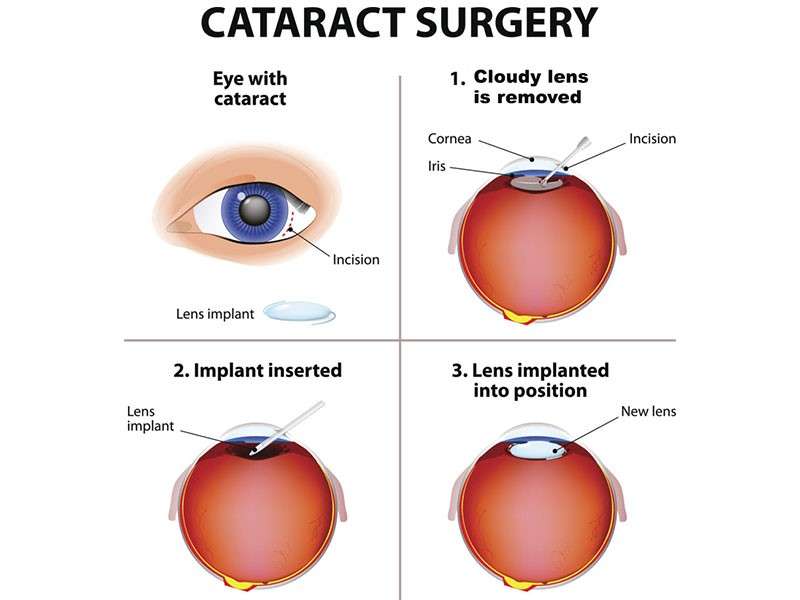
CATARACT SURGERY
Cataracts develop when the lens of the eye becomes cloudy, affecting vision clarity. This condition is prevalent among older adults but can also occur due to injury or certain medications.
- Symptoms include blurred vision, difficulty seeing at night, and sensitivity to light.
- A thorough eye examination will help in diagnosing cataracts, typically using a slit-lamp test and visual acuity tests.
- Treatment options generally involve surgery, where the cloudy lens is replaced with a clear artificial lens.
- Post-surgery, patients can expect improved vision and may be advised on post-operative care.
Cataract surgery is highly successful, allowing many people to regain their independence in daily activities.