
Dr Kapoors Multi Speciality Dental Clinic
About Me
Dr Kapoors Multi Speciality Dental Clinic
MBBS
General Physician
10 Years Experience
Biography
My Clinic
OPD Hours
| Monday | Morning | 10:00 AM | - | 02:00 PM |
| Evening | 06:00 PM | - | 09:00 PM | |
| Tuesday | Morning | 10:00 AM | - | 02:00 PM |
| Evening | 06:00 PM | - | 09:00 PM | |
| Wednesday | Morning | 10:00 AM | - | 02:00 PM |
| Evening | 06:00 PM | - | 09:00 PM | |
| Thursday | Morning | 10:00 AM | - | 02:00 PM |
| Evening | 06:00 PM | - | 09:00 PM | |
| Friday | Morning | 10:00 AM | - | 02:00 PM |
| Evening | 06:00 PM | - | 09:00 PM | |
| Saturday | Morning | 10:00 AM | - | 02:00 PM |
| Evening | 06:00 PM | - | 09:00 PM | |
| Sunday | Morning | 10:00 AM | - | 02:00 PM |
| Evening | 06:00 PM | - | 09:00 PM |
Treatments
Specialised care and treatments offered
COMMON COLD TREATMENT
The common cold is a viral infection that primarily affects the upper respiratory tract. Although it usually resolves on its own within weeks, understanding treatment options can ease discomfort significantly during illness duration!
- Symptoms : Coughing、sore throat、runny nose、and mild headaches mark typical presentations—it’s crucial to remain aware!
- Diagnosis : A physical examination often suffices since colds generally exhibit clear signs recognizable by healthcare providers—taking care improves recovery speed too!
- Treatment methods : Rest、hydration along with over-the-counter medications targeting symptoms help manage discomfort effectively,allowing gradual return toward normalcy!
An understanding approach coupled with self-care tips enables quicker recovery while minimizing spread amongst communities throughout cold seasons!
ALLERGY TESTING

Allergies arise when the immune system reacts abnormally to certain substances known as allergens. Identifying these triggers through testing enables better symptom management for affected individuals.
- Symptoms : Common signs include sneezing、itchy eyes、skin rashes、or even severe reactions like anaphylaxis requiring immediate intervention—recognizing these prompts timely testing!
- Diagnosis : Allergy tests range from skin prick tests assessing immediate hypersensitivity reactions,to blood tests measuring IgE antibodies which predict potential allergic responses—essential tools in pinpointing allergens!
- Treatment options : Avoidance of identified allergens alongside medications such as antihistamines provide quick relief from symptoms. Immunotherapy can gradually desensitize individuals over time regarding specific allergens!
The right approach fosters empowerment in managing allergies thus enhancing comfort while navigating everyday activities without fear!
GASTROESOPHAGEAL REFLUX DISEASE (GERD) TREATMENT
This digestive disorder occurs when stomach acid frequently flows back into the esophagus. Understanding GERD is important for effective treatment strategies that enhance quality of life for sufferers.
- Symptoms: Commonly includes heartburn, regurgitation of food or sour liquid, difficulty swallowing, and chronic cough—all requiring attention to avoid severe discomfort.
- Diagnosis: Diagnosis often involves an evaluation of symptoms combined with endoscopy or pH monitoring tests performed in clinical settings to gauge acidity levels effectively.
- Treatment plans: Lifestyle modifications such as dietary changes alongside prescription medications like proton pump inhibitors aim to alleviate symptoms over time. In some cases where medication fails,surgery might be recommended for lasting relief .
A thorough understanding of GERD allows patients to recognize triggers and embark on a path towards effective management with professional support available throughout their journey!
ASTHMA MANAGEMENT
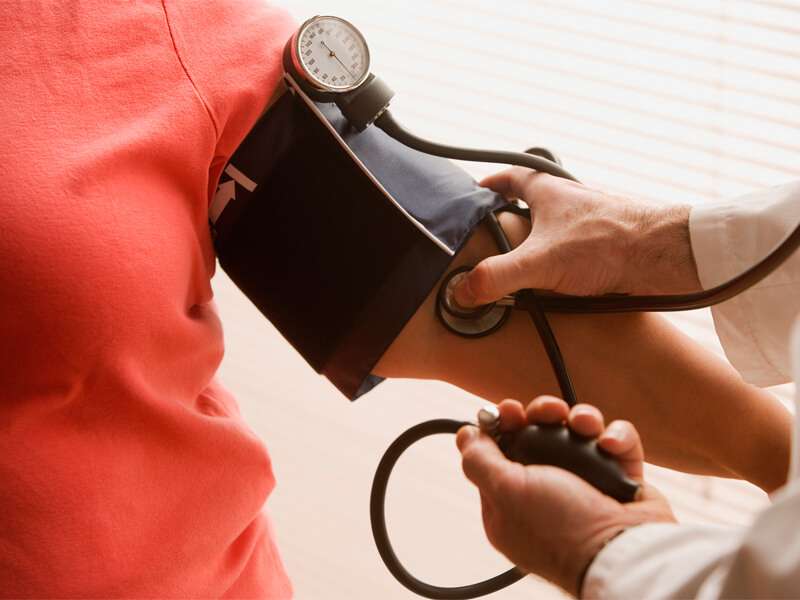
A common respiratory condition characterized by inflammation of the airways, asthma can significantly impact daily activities if not properly managed. Understanding triggers and treatments is key for those affected.
- Triggers: Allergens such as pollen or dust mites; irritants like smoke; respiratory infections; or extreme weather can provoke asthma symptoms.
- Symptoms: Patients may experience wheezing, shortness of breath, chest tightness, or coughing—especially at night or early morning.
- Diagnosis: Apart from a physical exam and medical history review, doctors may conduct lung function tests to evaluate airway obstruction severity.
- Treatment options: Inhalers containing bronchodilators or corticosteroids are commonly used for immediate relief and long-term control of symptoms respectively.
A comprehensive asthma management plan tailored by healthcare professionals helps patients lead active lives while minimizing attacks triggered by environmental factors.
DIABETES SCREENING

Diabetes is a chronic condition that affects how your body processes blood sugar, leading to various health complications if uncontrolled. Early detection through screening is essential for effective management.
- Causes: Factors include obesity, inactivity, family history, and age. Understanding these risks can help in prevention efforts.
- Symptoms: Common symptoms may include excessive thirst, frequent urination, fatigue, and blurred vision—recognizing these can prompt timely testing.
- Diagnosis: Screening typically involves fasting blood glucose tests or HbA1c tests which provide an overview of your average blood sugar levels over the past few months.
- Treatment approaches: If diagnosed, lifestyle changes along with medication can maintain stable glucose levels, promoting overall wellbeing.
Regular screenings ensure early detection and empower individuals to live healthier lives with diabetes management strategies in place.
HYPERTENSION MANAGEMENT
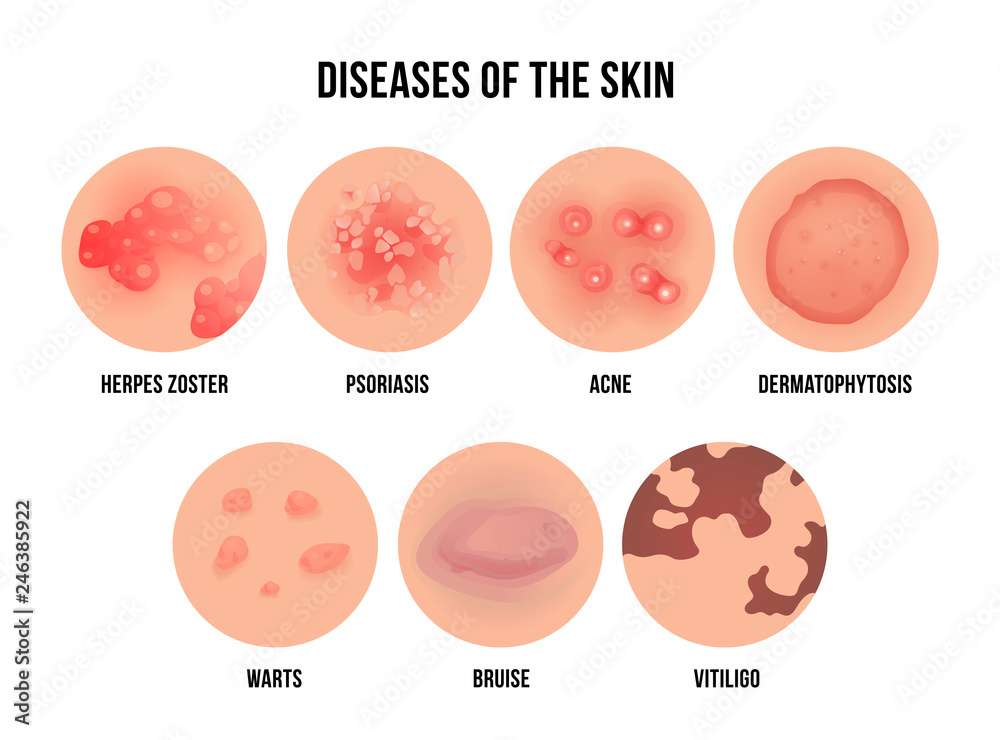
Hypertension, or high blood pressure, is a common condition that can lead to serious health complications if left untreated. Regular monitoring and proper management are vital for maintaining healthy blood pressure levels.
- Symptoms: Often referred to as the 'silent killer', hypertension may not present noticeable symptoms but can lead to headaches, dizziness, and nosebleeds in severe cases.
- Diagnosis: Blood pressure is measured using a sphygmomanometer. Multiple readings over time help determine if treatment is necessary.
- Treatment options: Lifestyle changes such as diet modification, regular exercise, and stress management are essential. Medications like diuretics or ACE inhibitors may also be prescribed.
- Monitoring: Regular follow-ups and blood pressure checks are crucial to assess treatment effectiveness and make necessary adjustments.
- Living with hypertension: With appropriate care, individuals can manage their condition effectively and reduce the risk of heart disease.
Understanding hypertension empowers patients to take control of their health through informed choices and proactive management.